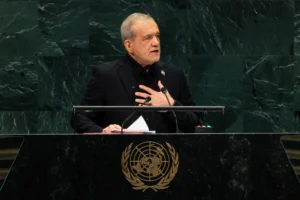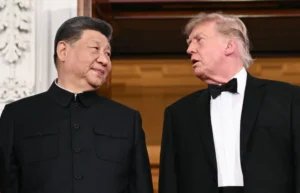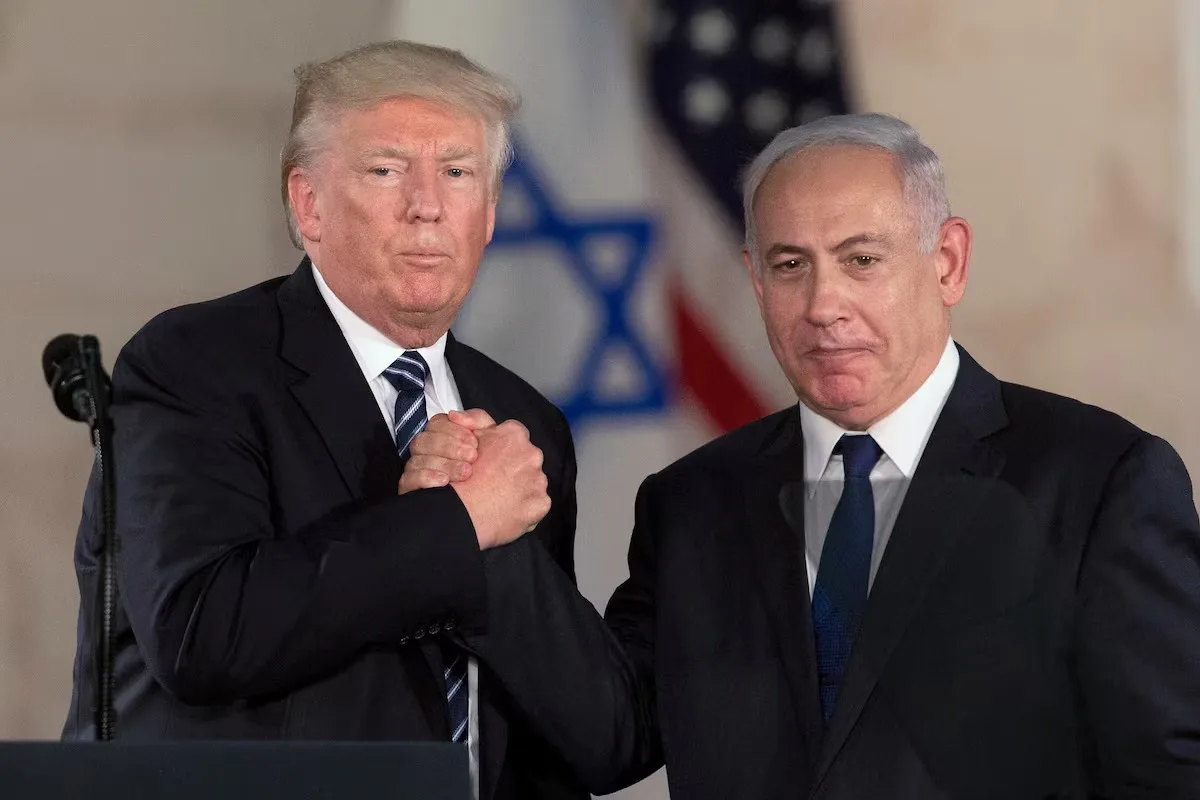
The hall of the United Nations Assembly was empty during the speech of the Prime Minister of Israel, Benjamin Netanyahu, after several delegations from participating countries, including Brazil, left the place. The image generated international repercussion, but despite its symbolic weight, the Israeli leader delivered the speech calmly, defended the genocide that his government promotes in Gaza, criticized the mayor of New York, headquarters of the UN, and thanked the support of the president of the United States, Donald Trump.
Analyst Ana Carolina Marson, professor of international relations, highlights that the reaction of nations to Netanyahu’s presence shows the lack of support that expansionist action in the territory has on the global stage, however, it is not unprecedented. Furthermore, despite considering that the action of the delegates who left the audience was significant, the Israeli spoke normally. “There is Israeli isolation, but it has the support of the US and Netanyahu feels very comfortable continuing to act in Gaza. Given the crisis of multilateralism, this action is much more a symbol than, in fact, something concrete”, he assesses in an interview with BdF connection, and Radio Brasil de Fato.
Therefore, Marson observes that, despite an important position of most nations, some States need to act in a “more coercive way” in the face of the genocide in Palestine.
Regarding the debate that would indicate the need for a reform of the UN system, Ana Carolina Marson observes that, since the institution’s emergence in 1945, in the wake of the Cold War, there have been difficulties. “The United States and the then Soviet Union entered into this conflict and the Security Council practically did not function during the Cold War period. When we entered, in the 1990s, a series of civil wars, genocides, Rwanda, Bosnia, Somalia began to occur, situations for which the UN should have been ready to act, but did not act, and now we see this crisis wide open”, he assesses. “Historically, there is already inaction on the part of the UN”, he continues.
The analyst recalls the year 2003, when the issue of George W. Bush’s war on terror and his invasion of Iraq was brought to the Security Council. “There is a disregard on the part of the powers in relation to international organizations and the discomfort of the countries of the global south in relation to the structure of this UN system. Brazil’s request for reform of the Security Council is old, it is not new. So, now what we see is this more accentuated crisis together, which is linked to the crisis of multilateralism and the crisis of globalization”, he argues.
To listen and watch
During election hours, until October 1st, the newspaper BdF Connection airs in two editions, from Monday to Friday: the first from 12:25 pm to 2 pm, and the second, unchanged, from 5 pm, on Radio Brasil de Fato98.9 FM in Greater São Paulo, with simultaneous transmission also on YouTube do Brasil de Fato.
Source: www.brasildefato.com.br