The Chinese government confirmed, this Saturday (26), the conclusion of an agreement with the United States for the reciprocal reduction of trade tariffs worth US$30 billion (around R$156 billion) and the establishment of a permanent dialogue channel on artificial intelligence (AI).
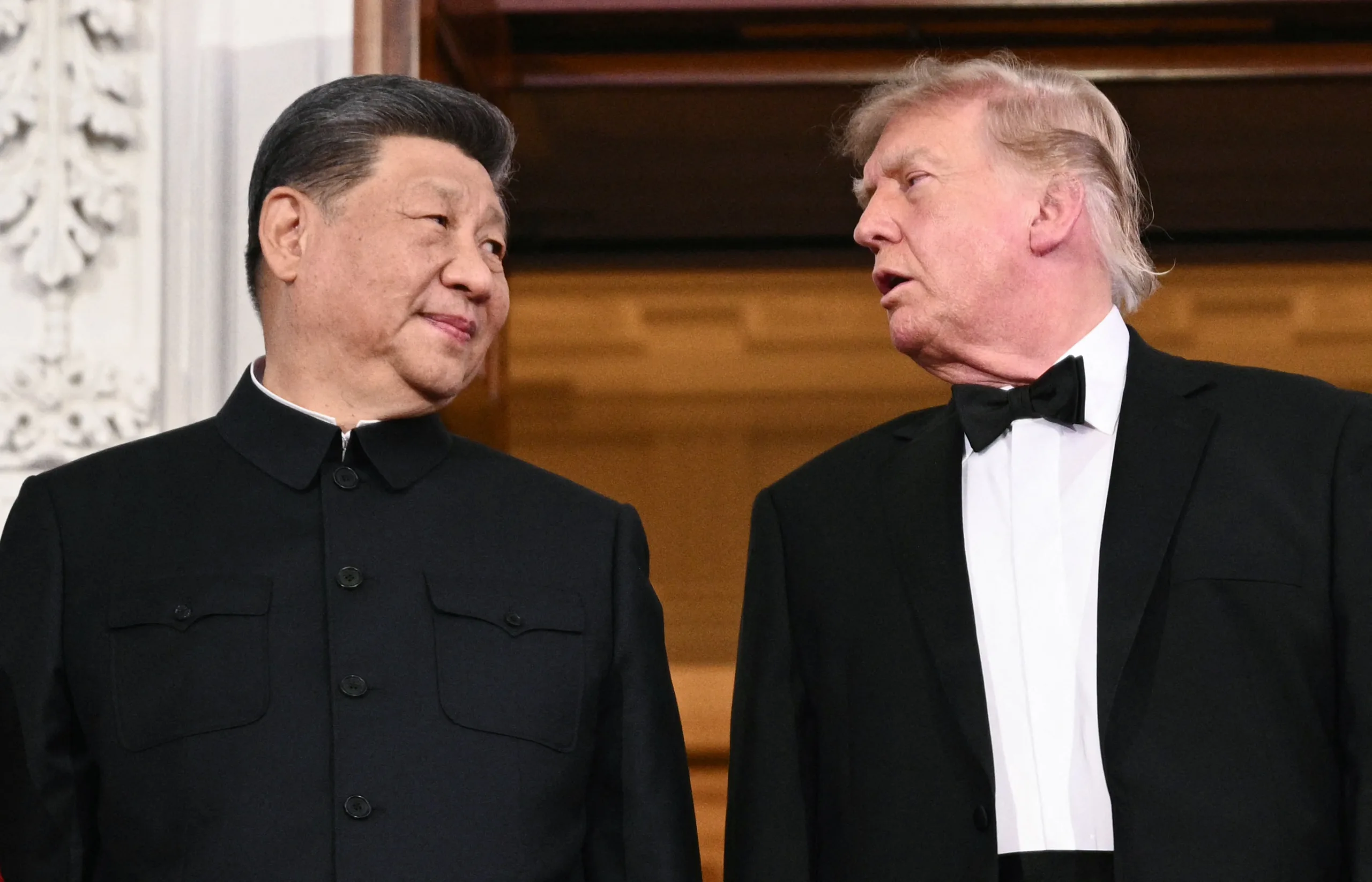
The understanding is part of an eight-point consensus reached after Chinese President Xi Jinping’s three-day visit to Washington, where he met with American President Donald Trump. The US has failed to pressure China by imposing arbitrary tariffs, despite Trump’s triumphalist rhetoric.
The tariff package covers consumer goods and agricultural products, with the aim of easing trade tensions between the world’s two largest economies.
In the commercial area, the measure provides facilities for the export of agricultural products, wood, fish, cosmetics and medical devices from the USA to the Chinese market. In return, China obtained favorable conditions for the shipment of consumer goods, such as small household appliances, toys, decoration items and children’s car seats.
The Chinese government also committed to importing at least 10 million metric tons of American coal in 2027 and 2028, in addition to agreeing to the creation of a bilateral Investment Council and a working group on agricultural barriers.
The announcement follows the decision of the two nations to extend the trade truce that would expire on November 10 for two months. According to the US Treasury’s assessment, the extension provides additional time for negotiating a more comprehensive economic treaty.
In the technological field, the two countries agreed to create the US-China Dialogue focused on regulation, safeguards and assessment of risks and benefits of emerging technologies under the concept of “superintelligence”.
The next round of talks between representatives from Beijing and Washington is scheduled for November and will include the implementation of a direct communication channel to prevent incidents involving AI systems.
The eight-point consensus also established mutual support for the organization of the next Asia-Pacific Economic Cooperation (APEC) and G20 summits, the commitment that Iran will not develop nuclear weapons and the joint position against charging transit fees on international shipping lanes.
Source: www.brasildefato.com.br