Russia will adopt “considered and targeted” measures if the European Union moves forward with its decision to confiscate Russian assets that are currently frozen in the bloc. The statement was made by the director of the Department of European Affairs of the Russian Ministry of Foreign Affairs, Vladislav Maslennikov, this Friday (25).
“Russia will continue to defend its interests. Our actions to challenge the EU’s arbitrary actions will be measured, targeted and take into account all circumstances,” the diplomat said.
On Thursday (24), Maslennikov announced that, starting in 2024, the European Union will transfer approximately 8 billion euros in proceeds from frozen Russian assets to Ukraine. Of this amount, 3.5 billion euros were used to purchase weapons.
The statement comes amid the resumption of discussions by the European Union on ways to use frozen Russian assets to finance Ukraine. The bloc keeps around 210 billion euros in reserves and assets of the Central Bank of Russia frozen on its territory, the majority of which is in the custody of the Belgian financial depository Euroclear in Brussels.
In August, Ukrainian Foreign Minister Andriy Sybiha called on the European Union to confiscate frozen Russian assets destined for Ukraine. The minister noted that this was necessary to cover the budget deficit caused by increased defense spending and the reconstruction of the country.
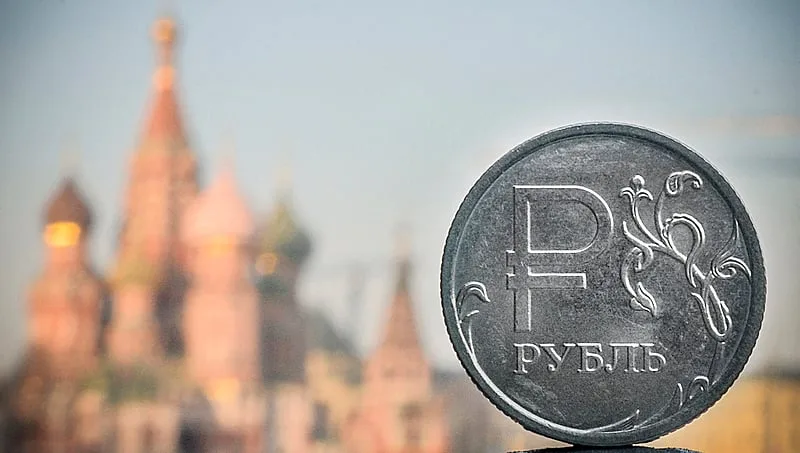
Moscow considers the retention of assets illegal and has been turning to Russian courts to seek compensation. On May 15, the Moscow Court ruled in full in favor of the Central Bank of Russia in a case against Euroclear, ordering the payment of around 18.2 trillion rubles (approximately 200 billion euros) for losses attributed to the freezing of Russian reserves.
Euroclear contested the decision and appealed. In July, however, the Russian appeals body rejected the appeal, according to the Belgian company itself. Euroclear states that it does not recognize the jurisdiction of Russian courts and that the decisions are not recognized by European Union law.
After the start of the Ukraine war, the European Union and the G7 countries blocked approximately half of Russia’s foreign exchange reserves. More than 200 billion euros are tied up in the EU, mainly in the custody of Euroclear.
Source: www.brasildefato.com.br