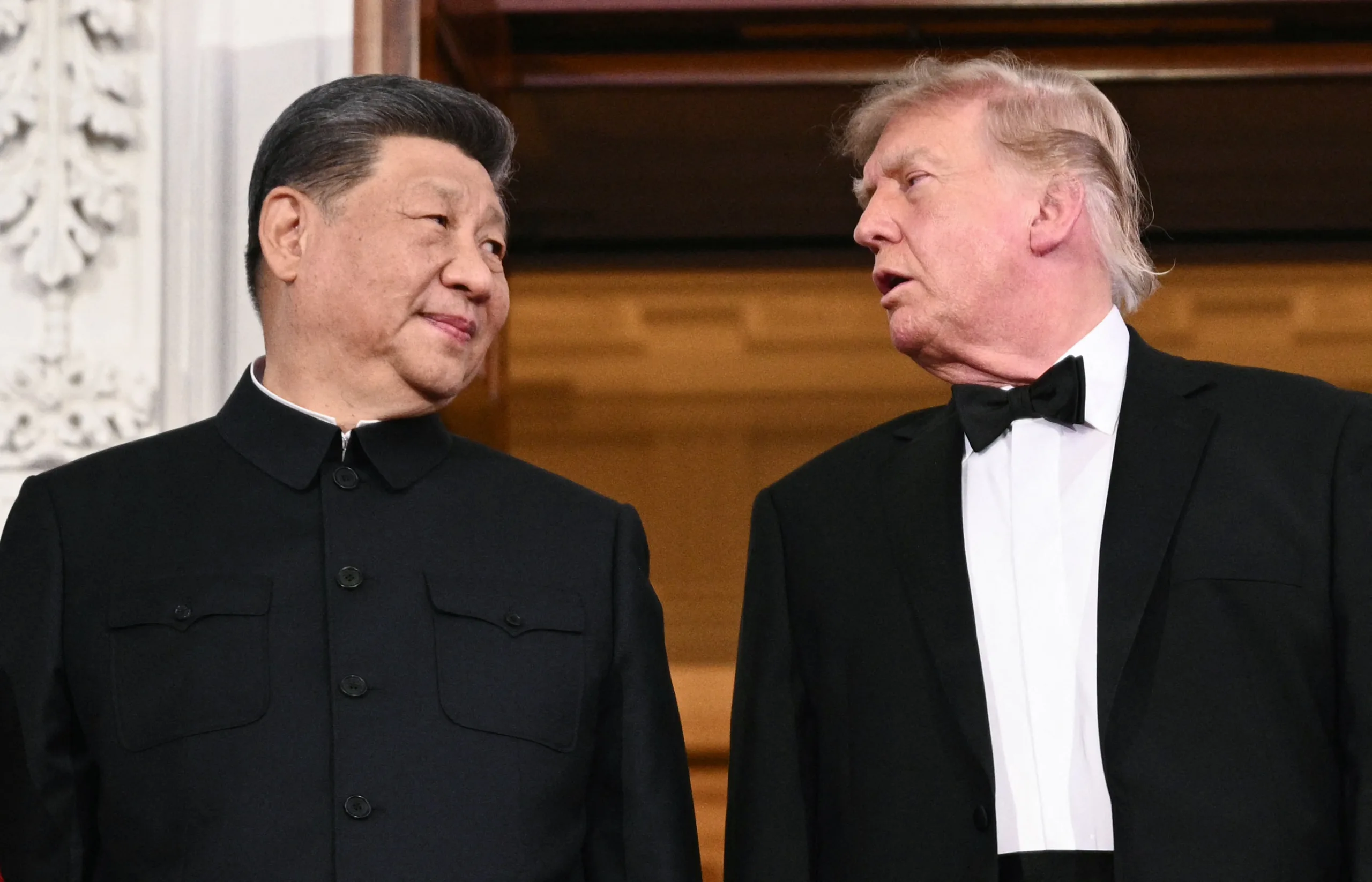
Xi Jinping left Washington this Friday (25) showing that the relationship with the United States, as repeatedly highlighted by President Donald Trump, maintains some normality in these times of geopolitical uncertainty. In the American capital, he made it clear that he wants Chinese companies to be treated “fairly”, was received at the height of a state visit and managed to achieve a renewal of the trade truce between the two largest economic powers in the world. At first glance, the Chinese leader did not leave the meeting (the second between him and Trump in 2026) having made any concessions.
The most concrete result was finalized even before Xi and Trump sat down at the table. On Wednesday (23), US Treasury Secretary Scott Bessent had a meeting with Chinese Vice Premier Hê Lifeng and announced that the truce signed in South Korea in October last year will be valid until January 10. The agreement, which reduces reciprocal tariffs and lifts Chinese controls on rare earth exports, would end on November 10.
Trump bet on the ceremony. He personally went to Andrews air base to welcome the visitor, a gesture that Xi did not make when the Republican landed in Beijing in May. There was a military review, a flyover and a gala dinner with the heavyweights of the technology sector: Elon Musk (Tesla), Jensen Huang (Nvidia), Sam Altman (OpenAI) and Tim Cook (Apple), among other names. China and the USA have proposed crucially different views on the development of Artificial Intelligence (AI), and the question is what level of human control is ideal and necessary in current and future models.
No concrete announcement on the topic was made, but the two agreed to create a hotline for risks and emergencies linked to technology. Trump, dealing with American producers, defended that the issue of AI (now called “Superintelligence”) should remain “exactly as it is”. The understanding is in line with what Beijing thinks about the issue.
The symbolic dimension seduces Trump, but the Chinese leader maintained a controlled tone and aversion to any type of improvisation. Even though it took place at the White House, the ceremony was far from resembling those in which the Republican calls on international leaders and, in an informal conversation, dispenses with the script, which, not infrequently, results in embarrassment like those experienced last year by Ukrainian President Volodymyr Zelensky.
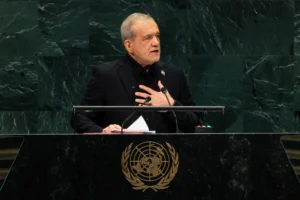
Xi and Trump did not ignore the current war tensions, and there was progress on the war in the Middle East. According to information from the Xinhua agency, Xi Jinping signaled to the American president that he supports the return of the USA and Iran to the negotiating table, so that they can materialize the agreement that suspends aggression in the Persian country, concluded in the first half of the year and quickly disrespected by Washington. As a result, Iranian Foreign Minister Abbas Araghchi proposed reopening the Strait of Hormuz in seven days and resuming nuclear negotiations.
Taiwan was also in the spotlight, with Xi proposing that the Trump administration go from just “not supporting” Taiwanese independence to opposing the idea. In a statement, the Chinese government called for “extreme caution” in dealing with the issue. Trump, so far, has not signaled change. A US$14 billion weapons package has already been approved by the US Congress, but remains stalled.
Source: www.brasildefato.com.br