Iran fired missiles and drones at the positions of Kurdish opposition groups in northern Iraq this Wednesday (12). The attacks hit the Alana Valley, about 90 kilometers from Erbil province. The targets were the Komala groups and the Kurdistan Democratic Party of Iran, but there were no victims.
A day earlier, Iranian missiles hit the same region and injured at least two Komala and Peshmerga fighters. Meanwhile, four drones crashed in Soran, Khalifa and Harir districts. According to Komala spokesman Amjad Panahi, Iranian forces have fired more than 100 missiles and drones at the group’s camps since the start of the large-scale war in the Middle East in February.
Meanwhile, Tehran and Washington appear far from an agreement. US President Donald Trump has maintained that the situation with Iran is “going well” and that US forces are maintaining “full control” of the Strait of Hormuz, which is contradicted by Iran.
Shortly before Trump’s speech, the new secretary of the Iranian Supreme National Security Council, Mohsen Rezaei, reiterated that Hormuz “will not be opened” until the United States “changes its behavior and accepts Iranian conditions”, according to information from the Tasnim agency. The Republican, on the other hand, said he doesn’t trust Iran. “I’m the last person to trust Iran. They lied to me all the time”, argued the president.
Tehran has demanded the lifting of Western sanctions against Iranian assets, as well as reparations for damage caused in the war and the banning of US and Israeli warships in Hormuz.
Even with the cloudy scenario, the Persian Gulf countries could accept an agreement that provides for Iranian control over maritime traffic, according to information revealed by The Wall Street Journal at the beginning of the week. According to the publication, the solution would be the most viable given the real risk that the war escalation between the US and Iran could put the energy infrastructure of Arab nations at risk.
In the field of diplomacy, Iranian Foreign Minister Abbas Araghchi met with Pakistan’s Interior Minister Moshsin Navqi last Tuesday (11), in yet another attempt to mediate the end of the war promoted by the USA and Israel. Diplomats who participated in the meeting told the IRNA agency that the talks dealt with bilateral ties, but did not give many details.
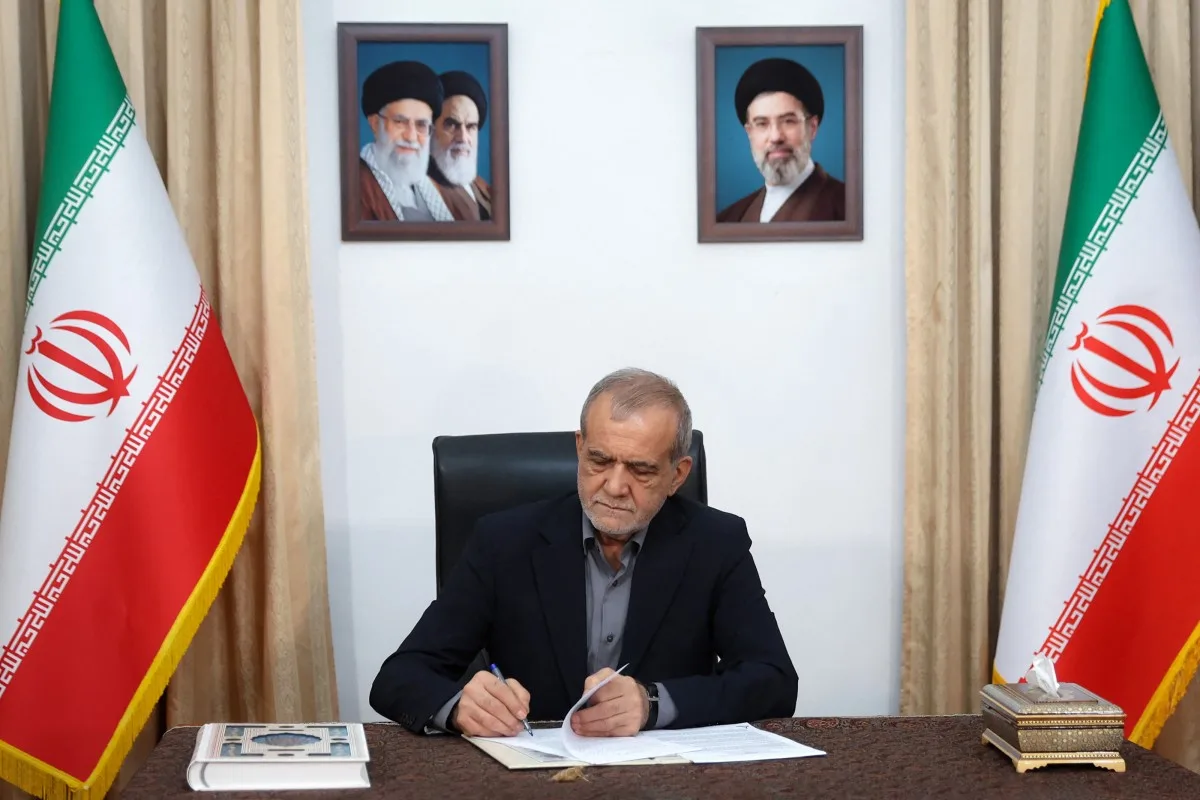
Iranian President Masoud Pezeshkian also met with Navqi and praised Islamabad’s efforts to boost “stability and security” in the region.
Source: www.brasildefato.com.br