Published 04/14/2026 18:07 | Edited 04/14/2026 18:23
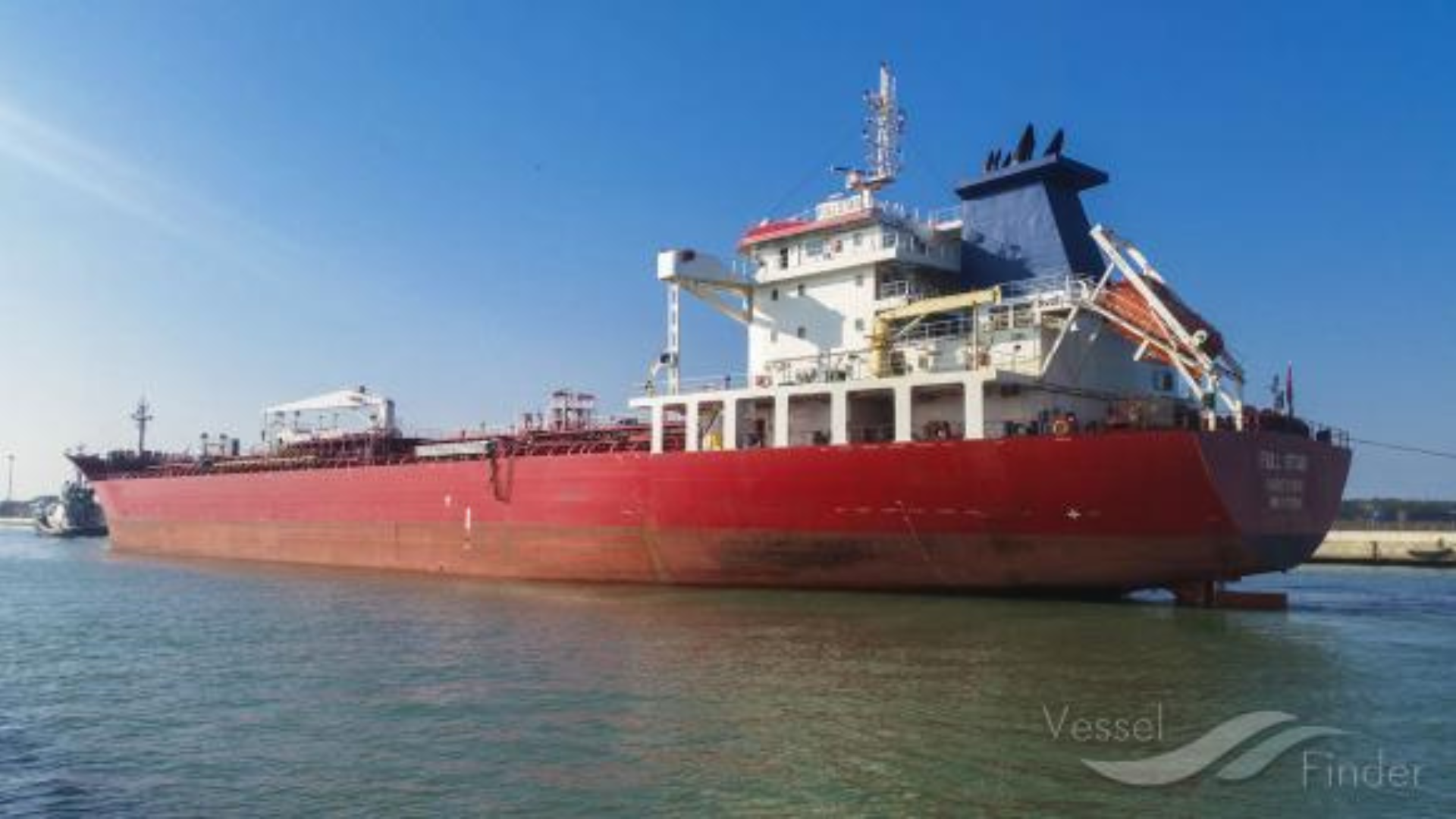
The Strait of Hormuz became the stage for the first major test of strength between Washington’s rhetoric of total control and the operational reality of the sea. The tanker Rich Starrytarget of US sanctions and linked to Iranian trade, crossed the region in full force of the naval blockade ordered by Donald Trump, revealing the fissures in the American attempt to asphyxiate Tehran’s economy.
Identified by platforms such as VesselFinder Under IMO number 9773301, the Rich Starry transported around 250 thousand barrels of methanol towards the Asian market. The ship departed the Persian Gulf, crossed the strait under observation by North American destroyers and, after entering the Gulf of Oman, retraced its course. The move was not just a nautical maneuver, but a geopolitical symbol: the world’s most watched ship proved that the “total siege” is more porous than the White House admits.
The lock gear
Trump’s presidential order authorizes the Navy to intercept any vessel that has paid fees to Iran to transit the region. “The United States will prevent Iran from using the strait to extort the world,” declared the Republican, also promising to neutralize the mines that Tehran sowed along the 40 km wide route.
However, naval analysts point out that the logistics for an effective blockade are colossal. It requires the positioning of at least two groups of aircraft carriers in the Arabian Sea and a dozen surface ships. Furthermore, Washington operates in a legal “gray zone”: by targeting flag-of-convenience ships that only transit the area, the US risks approaching allied vessels in international waters.
Meanwhile, Iran is betting on asymmetric warfare. With speedboats, drones and cruise missiles, Tehran is trying to compensate for American technological superiority, transforming the strait into a mined board where any miscalculation could lead to an unprecedented escalation.
Read more: Xi Jinping proposes peace plan and tests US blockade on Hormuz
North American economy on fire
The blockade was Trump’s bet on the failure of nuclear negotiations. The objective is to reach the financial heart of Iran, where oil represents 13% of GDP (around US$45 billion in exports projected for 2025). But the strategy is a double-edged sword.
The cost to the global economy was immediate. With the announcement of the operation, Brent oil jumped to the US$ 102accumulating an increase of more than 40% since the beginning of the conflict. In the USA, with a gallon of fuel above US$ 4inflation erodes Trump’s domestic popularity. Critics on Capitol Hill mock the White House’s logic: “We are blocking the strait to force Iran to open the strait,” summarized a Democratic senator.
The symbolism of Rich Starry
The crossing of the Rich Starry ship, monitored in real time by AIS (maritime tracking) systems, exposed that, despite its military power, the US faces practical difficulties in stopping the flow of independent energy. Rich Starry turned back to one of the Iranian ports, for reasons not yet stated. She would be one of the six vessels interdicted by the Trumpist blockade until 5 pm (Brasília) this Tuesday (14).
The ship operates under Malawi flag of convenience and is managed by the Chinese company Shanghai Xuanrun Shipping. During the crossing, the crew signaled their Chinese origin via radio, a strategic maneuver to discourage approaches by the US Navy. The tanker is part of the logistics that guarantee the flow of Iranian production to Asia.
The episode leaves the Trump administration with the central dilemma: a stricter siege could trigger a direct confrontation with importing powers and a global energy collapse; a flexible siege, in turn, deflates the narrative of absolute control over the planet’s main maritime route.
Source: vermelho.org.br