Published 05/05/2026 11:38 | Edited 05/06/2026 09:59
US intelligence reports indicate that Iran’s nuclear program remains practically unchanged despite the October attack, when Donald Trump said he had “obliterated” the Persian country’s nuclear capabilities, and the recent two months of the war of aggression.
According to sources interviewed by the Reuters agency, estimates by US intelligence agencies indicate that Iran would still take around nine months to a year to produce enough material for a nuclear weapon, if its leaders decide to follow this path.
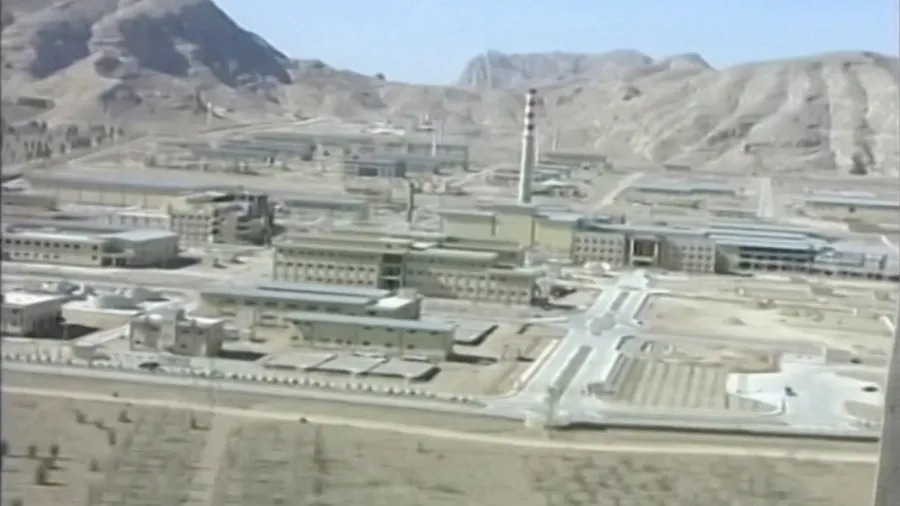
The deadline is the same as that pointed out by experts after the 2025 attacks against installations such as Natanz, Fordow and Isfahan, which suggests that the most recent offensive did not significantly alter the strategic scenario.
Assessments also point out that a significant part of Iran’s nuclear program remains preserved, mainly due to the dispersion of facilities and the storage of materials in underground structures.
The International Atomic Energy Agency (IAEA) was unable to confirm the whereabouts of around 440 kilograms of uranium enriched to 60%, considered one of the main assets of the country’s nuclear program.
Despite this, the White House maintains that the military operations had a relevant impact by hitting Iran’s defense industrial base and its conventional military capabilities.
US officials argue that these attacks would have hampered the advancement of the nuclear program by weakening support structures, although they recognize that there was no complete destruction of nuclear infrastructure.
The objective of preventing Iran from developing a nuclear weapon was reiterated several times by members of the United States government as a central justification for the war.
However, the fact that intelligence estimates remain virtually unchanged reinforces the contrast between the official White House narrative and technical assessments of the concrete effects of the offensive.
Experts point out that the limitation of attacks arises, in part, from the nature of the Iranian nuclear program itself, characterized by decentralization and the use of deeply fortified facilities.
In this context, air operations tend to cause specific damage, but are not sufficient to eliminate nuclear capacity without broader and prolonged actions, which would imply even greater risks of regional escalation.
Source: vermelho.org.br