Published 05/05/2026 15:39 | Edited 05/06/2026 12:45
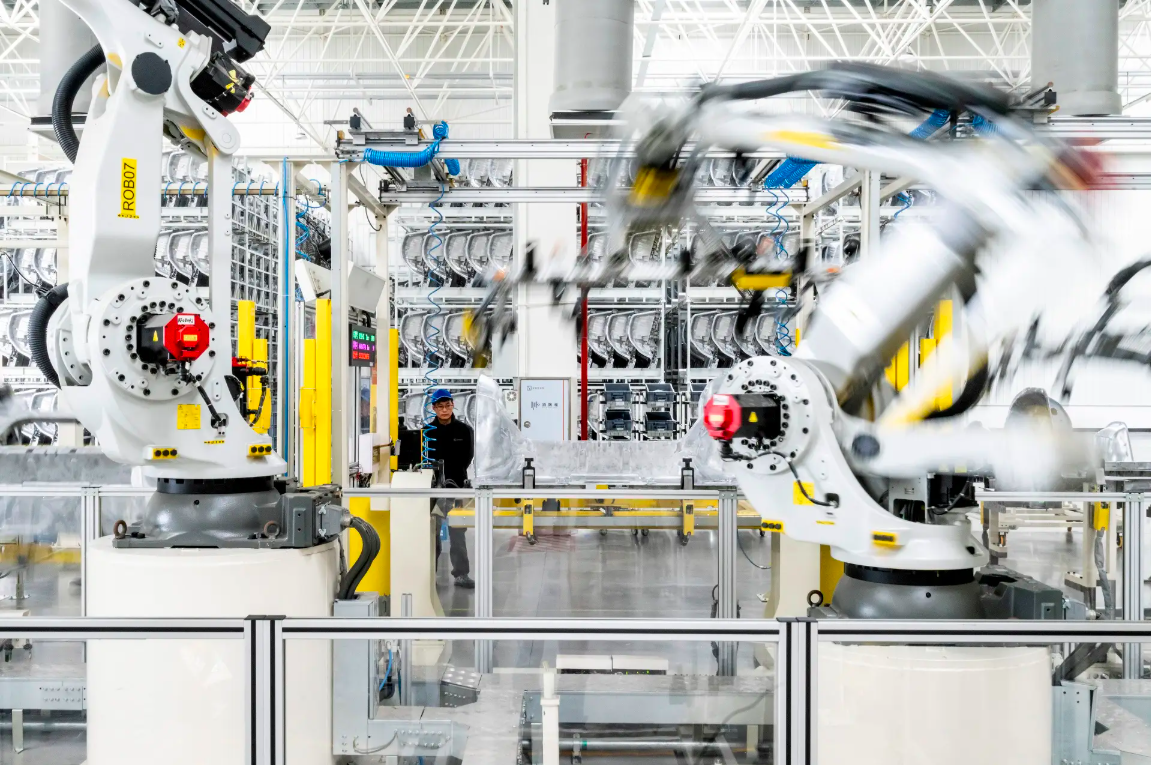
Unlike what Western common sense propagates, the world of work in China is going through a profound transformation, marked by wage appreciation, record automation and a robust union architecture. In a scenario of global dispute, the caricatured image of “cheap labor” or “forced labor” gives way to data that reveals a complex reality: the GDP wage bill jumped from 47% to 53%and the country today leads the installation of industrial robots in the world, replacing painful tasks with high technology.
With the highest union density on the planet — ACFTU has 257 million of members — Chinese workers are not passive. Occasional protests and strikes demonstrate a class that is pressing for rights and an end to exhausting working hours, such as the controversial “996” model. Specialists like Elias Jabbour e Evandro Menezes de Carvalho deconstruct myths, pointing out that the Chinese socialist system combines state planning with profit-sharing mechanisms and protection against technological unemployment.
While the West tries to reduce Chinese success to alleged labor violations in specific regions, the country consolidates a model where increased productivity is converted into social well-being and national sovereignty. Want to understand how China redefined labor relations and how it compares to Brazil and the USA?
Check out the full report and all the data from this analysis on the PCdoB portal:
Modernization, income and protection for workers deny the version of slave labor in China.
Source: vermelho.org.br