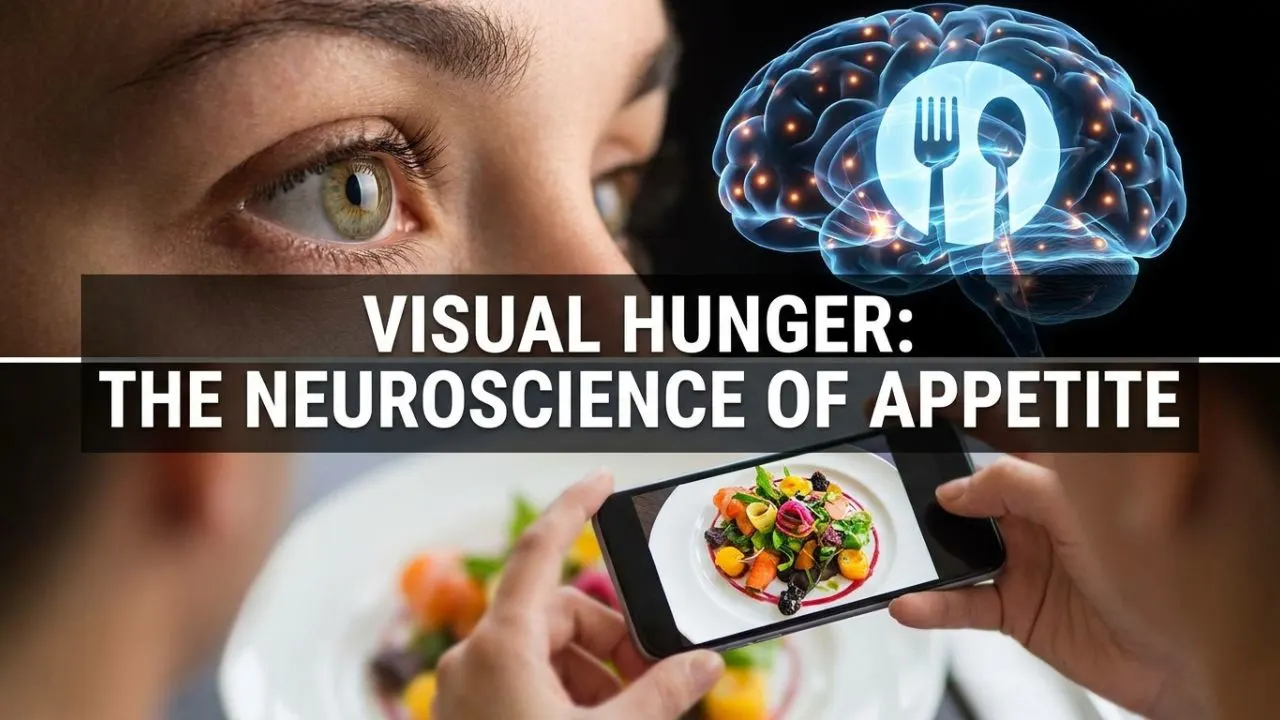
Have you ever found yourself reaching for a snack despite having eaten just an hour ago? Perhaps you were scrolling through social media and stumbled upon a photograph of a perfectly glazed donut, its surface glistening under studio lights. Or maybe you walked past a bakery and caught the sight of golden croissants stacked in neat pyramids behind glass windows. Suddenly, your stomach growled. Your mouth watered. The hunger felt real, urgent, and undeniable. Yet moments before, you were perfectly satisfied. This phenomenon is not a failure of willpower or a sign of metabolic dysfunction. It is a sophisticated neurological response rooted in millions of years of evolutionary biology. What you are experiencing is visual hunger, a powerful mechanism where the mere sight of food triggers physiological responses that mimic true hunger.
Understanding why we feel hungry when we see food requires exploring the intricate relationship between our senses, our brain, and our survival instincts. The human body is designed to seek out energy sources efficiently. In ancestral environments, food was scarce and unpredictable. Those who could quickly identify and respond to visual cues of nourishment had a significant survival advantage. Today, in a world overflowing with abundant and easily accessible food, this ancient wiring can lead to confusing and sometimes problematic eating behaviors. By examining the science behind visual hunger, we can gain insight into our cravings, develop healthier relationships with food, and make more conscious choices about what and when we eat.
The Neurological Pathway from Eye to Appetite
When light reflects off a plate of pasta or a slice of chocolate cake and enters your eyes, the journey from visual perception to physical hunger begins almost instantaneously. The retina captures the image and sends signals through the optic nerve to the visual cortex, where basic processing occurs. However, the story does not end there. These visual signals are rapidly relayed to several other brain regions involved in reward, memory, and appetite regulation.
The hypothalamus plays a central role in this process. Often described as the body’s control center for hunger and satiety, the hypothalamus receives input from various sources, including visual stimuli. When you see appealing food, the hypothalamus activates neurons that stimulate appetite, even if your body does not actually need additional calories. Simultaneously, the mesolimbic dopamine system, commonly known as the brain’s reward pathway, becomes engaged. Dopamine, a neurotransmitter associated with pleasure and motivation, surges in anticipation of eating. This creates a feeling of desire and craving that can be indistinguishable from genuine physiological hunger.
Research using functional magnetic resonance imaging has shown that viewing images of high-calorie foods activates specific areas of the brain associated with reward processing and motivation. These activations occur within seconds and can trigger the release of digestive enzymes and hormones before any food actually enters the mouth. The body essentially prepares itself for ingestion based solely on visual information. This anticipatory response includes increased saliva production, gastric acid secretion, and insulin release, all of which contribute to the sensation of hunger.
The Role of Memory and Association
Visual hunger is not merely a reflexive response to bright colors or appetizing presentations. It is deeply intertwined with memory and learned associations. Throughout our lives, we accumulate experiences linking certain visual cues with positive outcomes. The sight of a steaming bowl of soup might remind you of comfort during childhood illness. A particular brand of cookies might evoke memories of family gatherings. These associations create powerful neural pathways that strengthen the connection between seeing food and feeling hungry.
The hippocampus, responsible for memory formation, works in concert with the amygdala, which processes emotional significance. When you encounter a food item that has previously provided pleasure or satisfaction, these brain regions activate stored memories and amplify the desire to consume that food again. This explains why certain foods seem more tempting than others and why visual cues can trigger such intense cravings. The brain is not just responding to the present stimulus but is also recalling past experiences and predicting future rewards.
Marketing and advertising industries have long understood and exploited this psychological mechanism. Food packaging, restaurant interiors, and promotional materials are carefully designed to maximize visual appeal and trigger hunger responses. Bright colors, strategic lighting, and appealing compositions are not accidental choices but calculated tactics to engage the viewer’s appetite. Social media platforms have amplified this effect, creating an endless stream of visually stimulating food content that can trigger hunger at any time of day.
Evolutionary Origins of Visual Hunger
To fully appreciate why visual hunger exists, we must consider its evolutionary origins. For most of human history, food availability was uncertain. Hunting and gathering required constant vigilance and the ability to quickly identify edible resources. Individuals who could spot ripe fruit from a distance, recognize the signs of a successful hunt, or locate nutrient-dense plants had better chances of survival and reproduction. Natural selection favored those with heightened sensitivity to visual food cues.
This evolutionary heritage explains why humans are particularly responsive to certain visual characteristics in food. We are drawn to bright colors because they often indicate ripeness and nutritional value. Red and orange hues suggest the presence of vitamins and antioxidants. Golden-brown surfaces signal the Maillard reaction, a chemical process that creates complex flavors and indicates thorough cooking. These visual markers served as reliable indicators of food quality and safety in ancestral environments.
Moreover, the ability to anticipate food availability based on visual cues provided a competitive advantage. Early humans who could predict when and where food would be available could plan their activities more effectively, conserve energy, and reduce the risk of starvation. The neurological mechanisms that support visual hunger evolved to serve these adaptive purposes. While modern environments have changed dramatically, our brains continue to operate according to these ancient principles.
The Impact of Modern Food Environments
In contemporary society, the evolutionary advantages of visual hunger have become double-edged swords. We live in environments saturated with highly palatable, calorie-dense foods that are constantly visible and accessible. Supermarkets display colorful produce and packaged goods in ways that maximize visual appeal. Restaurants use open kitchens and visible preparation areas to stimulate appetite. Digital screens bombard us with images of delicious meals throughout the day. This constant exposure to food cues can lead to frequent episodes of visual hunger, even when physiological needs are met.
The mismatch between our evolutionary programming and modern food environments contributes to overeating and weight gain for many individuals. When visual cues trigger hunger responses repeatedly throughout the day, it becomes challenging to distinguish between true physiological hunger and psychologically induced appetite. This confusion can disrupt normal eating patterns and lead to consuming more calories than the body requires.
Additionally, the quality of modern food presentation has reached unprecedented levels. Professional photography, food styling, and digital editing create images that are often more appealing than reality. These hyper-realistic representations can intensify visual hunger responses, making it difficult to resist temptation. The gap between expectation and actual experience can also lead to dissatisfaction, prompting further searching for visual and gustatory stimulation.
Strategies for Managing Visual Hunger
Recognizing the power of visual hunger is the first step toward managing its influence on eating behavior. Awareness allows individuals to pause and evaluate whether their hunger is physiological or psychologically triggered. Asking simple questions such as “When did I last eat?” and “Am I truly hungry or just stimulated by what I see?” can help clarify the source of appetite.
Creating environments that minimize unnecessary food cues can reduce the frequency of visual hunger episodes. This might involve organizing kitchen spaces to keep less healthy options out of immediate sight, limiting exposure to food-focused social media content, or choosing dining locations with subdued rather than stimulating decor. Mindful eating practices, which emphasize paying attention to internal hunger and satiety signals, can also help individuals reconnect with their body’s true needs rather than external visual triggers.
Developing alternative responses to visual food cues can weaken the automatic connection between seeing food and feeling hungry. Engaging in brief mindfulness exercises, drinking water, or redirecting attention to non-food activities can interrupt the habitual response pattern. Over time, these strategies can help recalibrate the relationship between visual stimuli and appetite, allowing for more intentional and health-supportive eating choices.
Conclusion
Visual hunger is a natural and normal aspect of human physiology, rooted in evolutionary adaptations that once served critical survival functions. Understanding the neurological, psychological, and evolutionary foundations of this phenomenon provides valuable insights into why we feel hungry when we see food. While modern environments present challenges by constantly exposing us to appealing food imagery, awareness and intentional strategies can help manage visual hunger effectively. By honoring both our biological heritage and our contemporary circumstances, we can cultivate a balanced and mindful approach to eating that respects both bodily needs and psychological well-being.