Published 13/05/2026 10:09 | Edited 05/13/2026 18:41
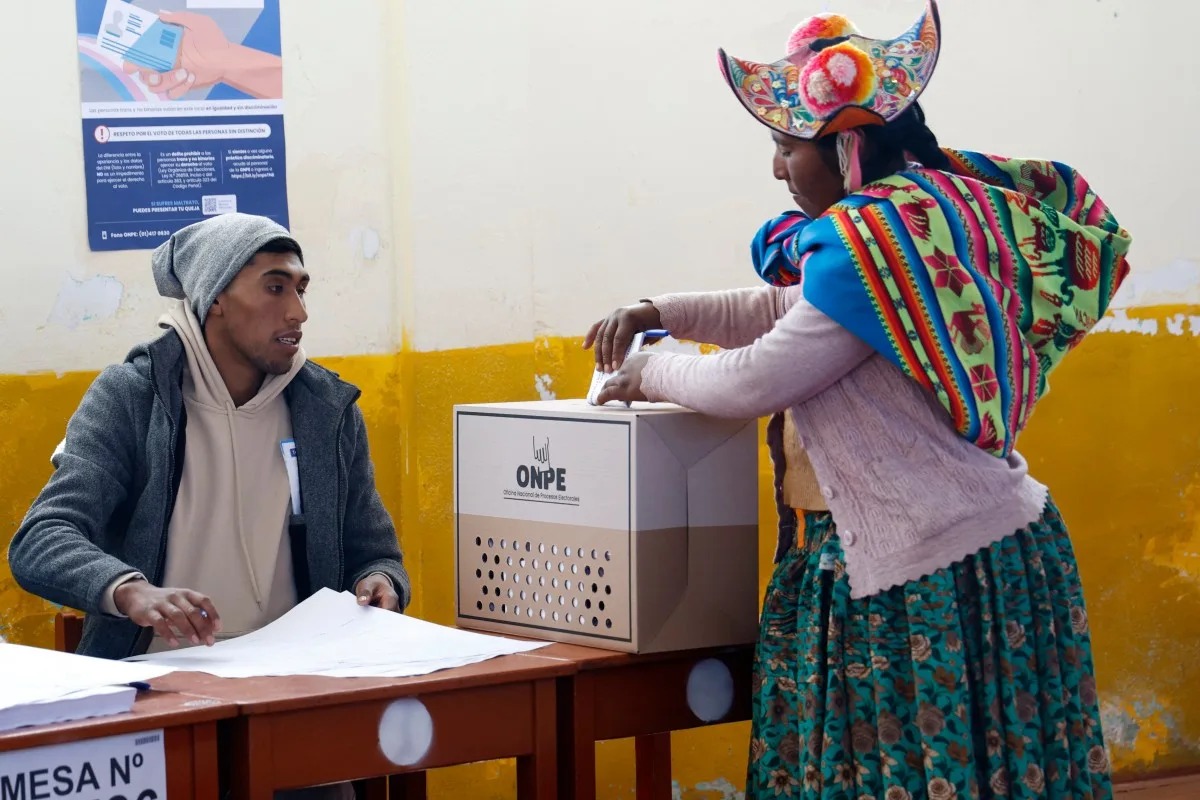
One month after the first round of presidential elections in Peru, the country still does not officially know the two candidates who will compete in the second round. With 99.76% of the ballots counted as of this Tuesday (12), the leftist Roberto Sánchez appears with 12% of the votes, just 0.09 percentage points ahead of the ultra-rightist Rafael López Aliaga, who has 11.91%.
Far-right leader Keiko Fujimori, daughter of the bloodthirsty dictator Alberto Fujimori, has already secured a place in the second stage of the dispute, scheduled for June.
In the dispute for the second place, Pedro Castillo’s former minister Roberto Sánchez, candidate of the left-wing coalition, appears with 12% of the valid votes.
Close behind is Rafael López Aliaga, businessman and exponent of the Peruvian extreme right, with 11.91%. The difference between the two is just 0.09 percentage points — the equivalent of a few hundred votes, according to the country’s electoral authorities.
The two are separated by around 14,000 votes, according to figures from the country’s electoral authorities.
The delay in defining the result is due to a series of challenges presented during the count, which forced the Peruvian electoral court to review thousands of minutes manually.
According to the National Elections Jury (JNE), more than 5 thousand electoral records were contested and had to be analyzed individually by the electoral court. The disputes involve filling errors, inconsistent numbers and illegible documents.
The process ended up being prolonged because Peru simultaneously held five different elections, increasing the volume of data to be checked. Furthermore, there were delays in the delivery of electoral materials, which forced part of the voting to be extended for another 24 hours.
The crisis escalated after around 1,200 electoral ballots were found in a trash container in Lima. The episode led the Public Ministry to open investigations into possible irregularities in the process.
Despite the accusations, international observation missions stated that there was no concrete evidence of electoral fraud. Still, the climate of political distrust has deepened in the country, which has had eight presidents in just ten years.
Political analysts point out that part of the challenges also have a political objective: delaying the completion of the count and trying to take votes from opponents in an extremely tight dispute.
According to the JNE, the final official result should only be released from May 15th.
Source: vermelho.org.br