Published 04/22/2026 15:38 | Edited 04/22/2026 16:57
The president of Argentina, Javier Milei, signed on Friday (17) a decree authorizing the entry of United States military forces into Argentine territory to carry out joint exercises. The measure, justified by the Executive as one of “necessity and urgency”, does not require prior approval from the National Congress, as required by the Argentine Constitution for the presence of foreign armies in the country.
Scheduled operations and locations
Operation “Atlantic Dagger” begins this Tuesday and continues until June 12, with activities in facilities such as the Puerto Belgrano Naval Base and the VII Brigade of the Argentine Air Force, in Moreno, province of Buenos Aires. At the same time, the naval operation “PASSEX” is planned, between April 26 and 30, which will include the participation of the aircraft carrier USS Nimitz and the destroyer USS Gridley in the Argentine Exclusive Economic Zone.
According to official information, around 400 American military personnel are expected to participate in the activities, including execution and logistical support teams. The decree signed by Milei highlights that the exercises aim to “potentiate national capabilities” and improve interoperability between the armed forces of the two countries.
Legal basis and constitutional controversy
The Argentine Constitution establishes, in article 99, item 13, that the entry of foreign troops depends on legislative authorization. The Milei government, however, invoked exception clauses to issue the decree, arguing that the ordinary procedures would “make it impossible” to carry out the exercises within the scheduled period.
Jurists and opposition parliamentarians question the legitimacy of the instrument. “It is the gateway to Antarctica, it is the territory that protects our claim to the Falklands”, warned Walter Vuoto, mayor of Ushuaia, on social media, referring to the geopolitical sensitivity of the region.
International context and diplomatic alignment
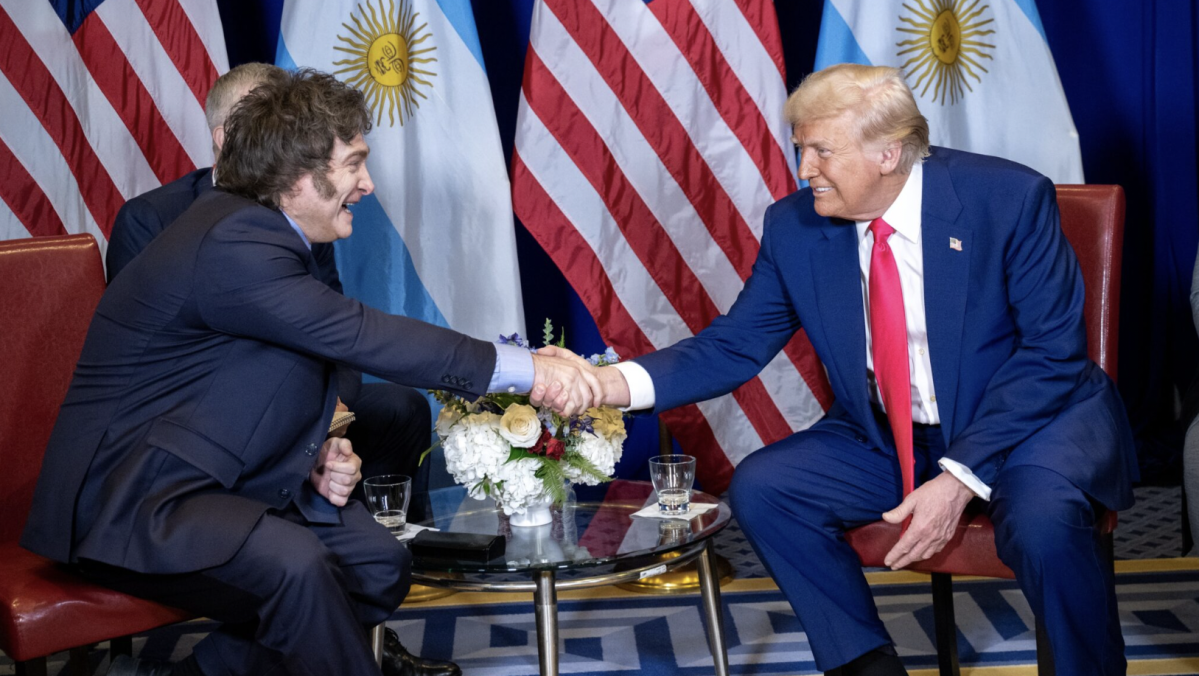
The authorization occurs at a time of strategic rapprochement between Buenos Aires and Washington. The commander of the US Southern Command, Admiral Alvin Holsey, visited Argentina twice this year, reinforcing speeches about cooperation against “transnational threats” and the influence of extra-regional powers in the Southern Cone.
In parallel, Milei visited Israel, where he received an honorary degree from Bar-Ilan University and signed security agreements with the government of Prime Minister Benjamin Netanyahu. During the event, the Argentine president declared support for positions defended by the USA and Israel in the Middle East, stating that “with certain cultures we will not be able to live together”.
Economic scenario and internal repercussions
The measure comes as Argentina faces an economic crisis marked by high inflation, fiscal adjustments and negotiations with the International Monetary Fund (IMF). Critics point out that the resources allocated to the exercises — estimated at around 60 million Argentine pesos — could be allocated to social areas.
Bills being processed in Congress, initiated by the Executive, provide for reforms in public policies for people with disabilities, health and retirement. Civil society organizations expressed concern about possible social impacts of these proposals.
Monitoring
The Argentine government maintains that participation in multinational exercises strengthens “regional stability” and response capacity in humanitarian assistance scenarios. The opposition, in turn, announced that it will seek clarification from Congress on the exact terms of military cooperation and its costs to public coffers.
Meanwhile, the “Atlantic Dagger” and “PASSEX” operations continue their schedule, under the observation of defense analysts and human rights organizations, who monitor the developments of the foreign military presence on Argentine soil.
Source: vermelho.org.br