Published 04/28/2026 12:33 | Edited 04/28/2026 20:09
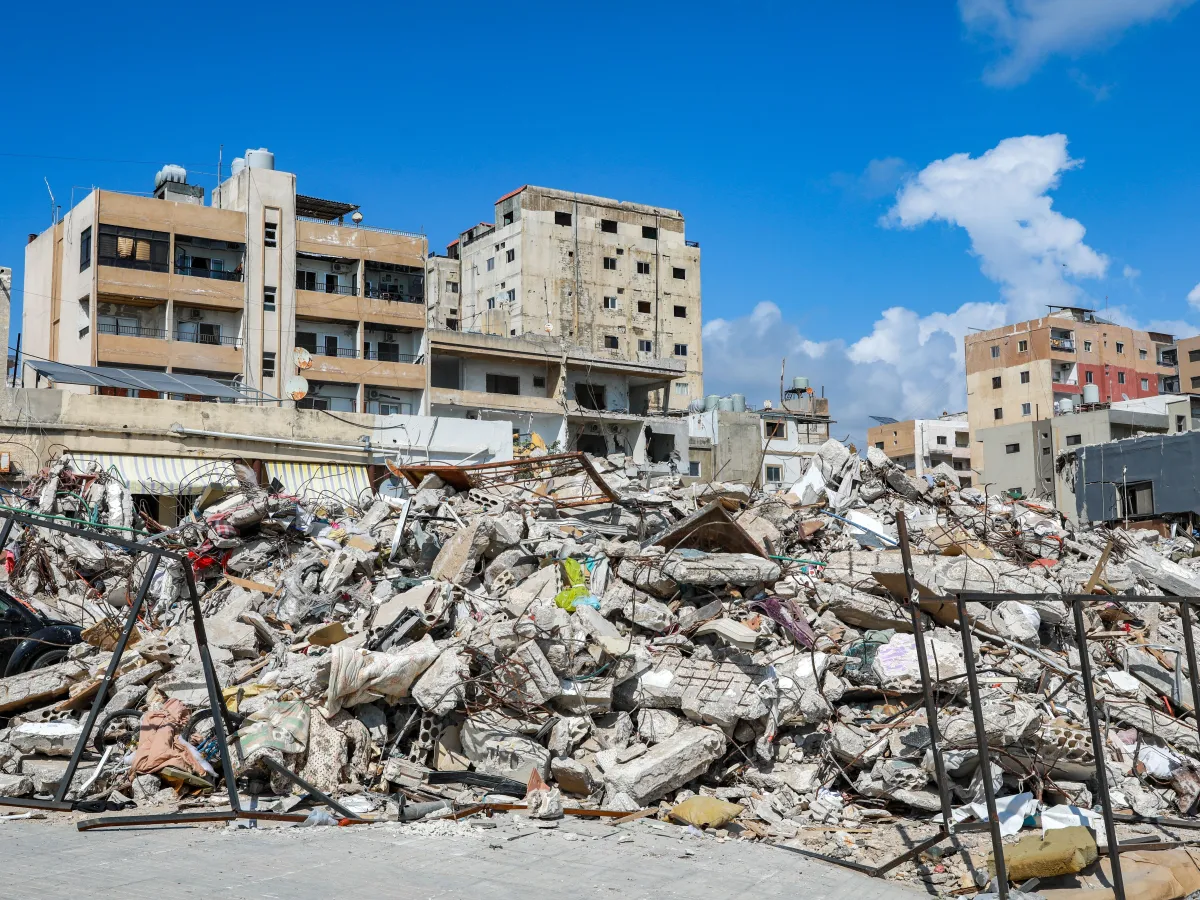
An Israeli missile attack hit a Brazilian family last Sunday (26). The bombing destroyed a residence in the Bint Jbeil district in southern Lebanon, resulting in the deaths of three people from the Nader family. Among the victims are Brazilian Manal Jaafar, her son Ali Ghassan Nader, an 11-year-old boy, also of Brazilian nationality, and the child’s father, Lebanese Ghassan Nader. A domestic worker of Ethiopian origin who was working in the house at the time of the explosion is the fourth confirmed fatal victim in the incident.
The tragedy occurred during a ceasefire announced on April 16. The family, who had moved to safer regions as a result of previous conflicts, decided to temporarily return to the city of Bint Jbeil just to check the condition of the property and remove essential belongings. Reports from family members indicate that they had just finished breakfast and were preparing their bags to leave the place when the missile hit the three-story residence. The force of the impact was such that the structure was completely pulverized, making it difficult to rescue the bodies of the parents, who remained under the rubble until this Tuesday (28).
Rescue and survival
The only survivor of the family present in the house was the eldest son, Bassem Nader, aged 22, who also has Brazilian citizenship. He was thrown by the shock wave, suffered injuries and had to be hospitalized in a health unit in the region. According to information from the Brazilian Embassy in Beirut, the young man was discharged after stabilization and is under consular monitoring. The body of little Ali Ghassan Nader was located shortly after the bombing and the burial took place amid local commotion, while teams were still working to remove debris to locate Manal and Ghassan.
In Foz do Iguaçu, Paraná, where part of the family lives, the children’s uncle, Bilal Nader, expressed the consternation that struck his relatives in Brazil. He described the scenario of total destruction of the house and the constant fear that grips civilians in the conflict zone. According to Bilal, the family believed they were protected by the recently negotiated truce, but the reality on the ground demonstrated non-compliance with the agreements. The residence, described as the family’s safe haven, was reduced to rubble in just a few seconds, leaving a trail of grief and indignation.
Diplomatic condemnation
The Brazilian government officially expressed its opinion on Monday night (27) through a Press Release from the Ministry of Foreign Affairs. In the document, Itamaraty expressed dismay and regret over the deaths, classifying the attack as an example of unacceptable violations of the ceasefire. The note highlights that recent hostilities have already resulted in the deaths of dozens of Lebanese civilians, including women and children, as well as a journalist and two French members of the United Nations Interim Force in Lebanon (UNIFIL).
In the text, the federal government reiterates its strong condemnation of all attacks carried out during the truce, citing both the actions of Israeli forces and Hezbollah. Furthermore, Brazil harshly criticized the systematic demolitions of homes and civil infrastructure that have been carried out in recent weeks in southern Lebanon. The Brazilian position emphasizes the need for full compliance with United Nations resolutions and demands the withdrawal of Israeli troops from Lebanese territory to stop the forced displacement of more than a million people.
The fragility of the peace agreement signed in April becomes evident with the report released by the Lebanese Ministry of Health, which recorded 14 civilian deaths last Sunday alone (26), the deadliest day since the beginning of the truce. Although Israel claims that its operations target strategic Hezbollah targets and that the Lebanese group is also violating the ceasefire, the death of Brazilian civilians amplifies international pressure on the conduct of the offensive. Lebanon is currently home to the largest community of Brazilians in the Middle East, estimated at 21 thousand people, many of whom live in areas directly affected by the bombings in the south of the country and in the Bekaa Valley.
To date, there has been no official statement from Israeli authorities specifically regarding the death of the Nader family. The scenario remains uncertain, with the international community following mediation attempts led by foreign powers, which seek to avoid an escalation that would drag the entire region into a conflict of even greater proportions. Israeli attacks against civilians during the ceasefire must be considered a war crime.
Source: vermelho.org.br