Published 07/05/2026 07:20 | Edited 05/07/2026 10:24
The Iranian government stated this Wednesday (6) that the Strait of Hormuz was once again free for navigation, after weeks of military tension in the Persian Gulf and restrictions imposed amid the escalation of the conflict between the United States and Israel.
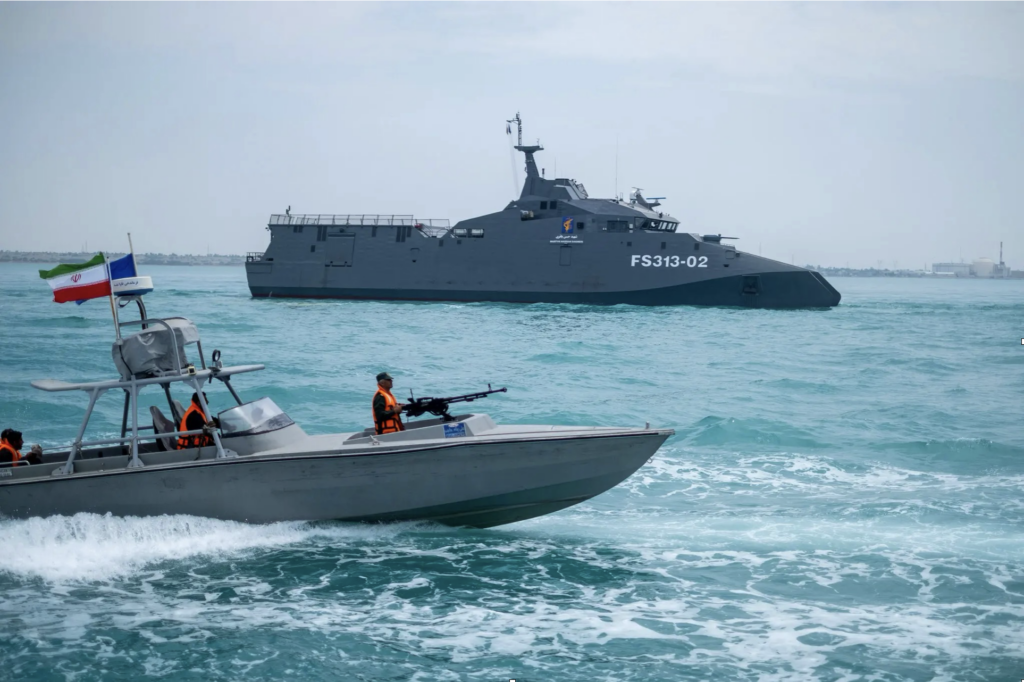
In a statement released by the Iranian Revolutionary Guard, Tehran declared that the passage is open for “safe and stable navigation” and stated that the “aggressor’s threats have been neutralized.”
The note also indicates that new security protocols began to be applied in the region under Iranian supervision.
The Strait of Hormuz is considered one of the main strategic corridors on the planet. Around 20% of the oil transported by sea passes through the region, located between Iran and Oman.
Since the beginning of the war of aggression in February, shipping companies and oil tankers have started to avoid the route or wait for authorization to cross the strait due to the risk of attacks, military operations and naval clashes.
In recent days, the United States government announced maritime escort operations for ships trapped in the region.
Donald Trump even stated that Washington would guarantee the circulation of vessels “from countries not involved in the war”, in an initiative presented by the White House as necessary to ensure international trade flow.
The Iranian announcement comes a day after the US backed down once again and partially suspended this operation. The movement fueled speculation about the existence of indirect negotiations involving Iran, the United States and intermediate countries in the region to reduce military tension and avoid new impacts on the international energy market.
Although Tehran claims that navigation is free, the statement avoids talking about a full return to pre-conflict conditions.
The note emphasizes that circulation will continue to be subject to Iranian security and monitoring protocols, in a gesture that also seeks to reaffirm the country’s influence over one of the most strategic maritime routes in the world.
Source: vermelho.org.br