Published 11/05/2026 18:38 | Edited 05/11/2026 19:04
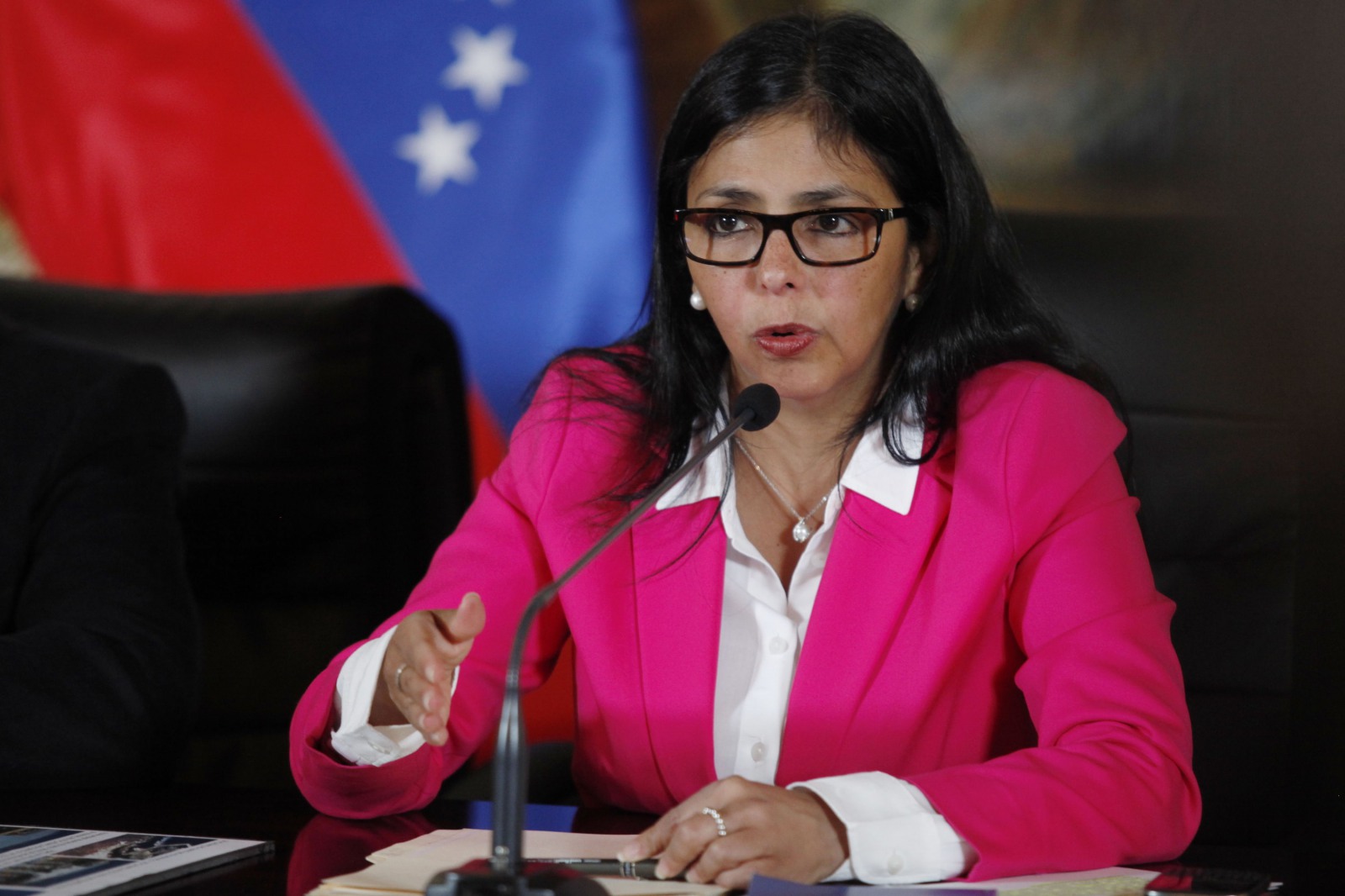
The arrival of Venezuela’s vice president (in office), Delcy Rodríguez, in The Hague marks a decisive chapter in the century-old territorial dispute over Essequibo. The presence of the Venezuelan delegation at the headquarters of the International Court of Justice (ICJ) occurs at a time of profound political transformation in the country and the intensification of the exploitation of natural resources in the area under dispute.
According to the norms of International Law and the historical records of the Venezuelan Foreign Ministry, Caracas maintains that the Paris Arbitration Award of 1899 is “null and void”. The central argument is based on the thesis that there was a collusion between British and Russian arbitrators to fix the border in favor of the then British Guiana, ignoring the limits of the Captaincy General of Venezuela inherited from the Spanish crown.
For the delegation led by Rodríguez, the only valid legal instrument to resolve the controversy is the 1966 Geneva Agreement, which establishes the need for a negotiated and satisfactory solution for both parties. Upon arriving in the Netherlands, Rodríguez reiterated that participation in the ICJ does not mean automatic recognition of the Court’s jurisdiction over the merits of the matter, but rather an opportunity to expose the historical truth of the Venezuelan State.
The defense strategy focuses on presenting colonial maps and documents which, according to Caracas, prove that the 159,000 square kilometer territory has always been under its jurisdiction. The official position is that Guyana, by seeking a unilateral ruling from the court, ignores the 1966 compromise and favors the interests of transnational oil corporations operating in undelimited waters.
The oral phase of the hearings, which began this Monday (11), takes place in a scenario of Guyana’s isolation with regard to direct bilateral dialogue, preferring the international judicial route. On the other hand, Venezuela maintains the thesis that the Essequibo is an inalienable historical heritage.
Delcy Rodríguez’s trip also has a relevant diplomatic weight, being one of her first high-level acts in Europe under the country’s new political conditions, seeking to ensure that national sovereignty is preserved before international courts that Venezuela often classifies as influenced by Western powers.
The hearings are expected to provide the basis for the Court’s final decision in the coming months. However, the Venezuelan government has already signaled that any resolution that does not pass the scrutiny of the Geneva Agreement will lack political legitimacy for its practical application. The impasse remains one of the areas of greatest geopolitical tension in South America, involving not only territorial sovereignty, but the control of vast reserves of hydrocarbons and biodiversity.
Source: vermelho.org.br