Published 02/06/2026 11:26 | Edited 02/06/2026 11:35
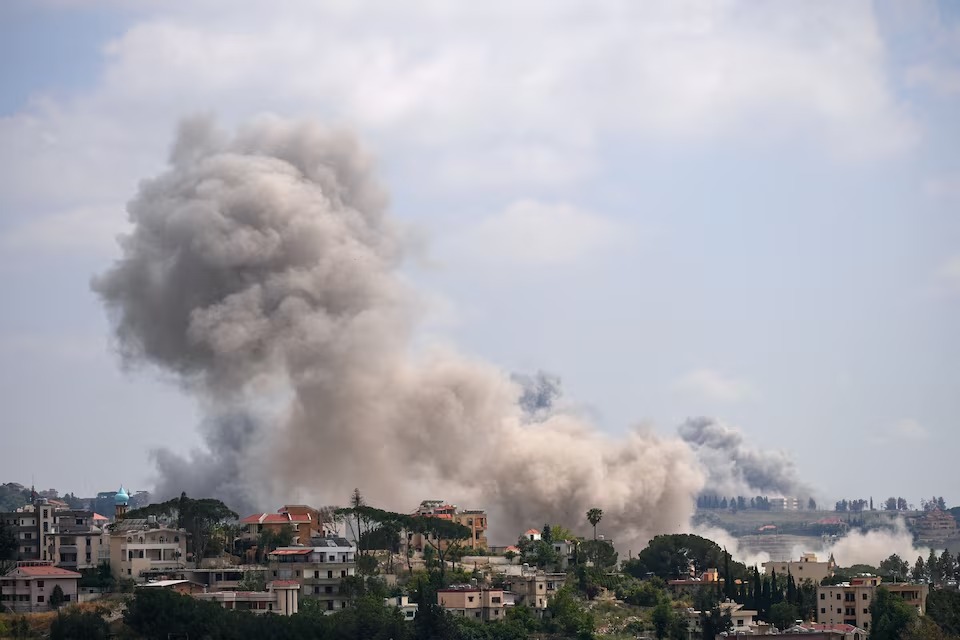
Washington’s attempt to contain military escalation in the Middle East suffered a new setback this Tuesday (2), when Israel returned to bombing southern Lebanon even after pressure from Donald Trump to avoid attacks that could compromise US negotiations with Iran.
Hours earlier, the American president had pressured Benjamin Netanyahu to suspend an attack on the southern suburbs of Beirut, an area considered a Hezbollah stronghold.
The partial Israeli retreat occurred after Tehran warned Washington that it would abandon negotiations if Israel increased bombings in Lebanon.
Even so, the Netanyahu government has made it clear that it does not intend to end the military offensive. The Israeli Army issued new evacuation orders for Nabatieh, one of the main cities in southern Lebanon, and carried out air strikes and artillery fire in the region.
In a statement released after a conversation with Trump, Netanyahu stated that Israel would maintain its military position.
“If Hezbollah does not cease attacks against our cities and civilians, Israel will attack terrorist targets in Beirut,” declared the Israeli prime minister.
The new escalation exposes a growing contradiction within the alliance between the United States and Israel. After months of political and military support for the Israeli offensive in the Middle East, Washington is now trying to contain a war that threatens to compromise its own strategic objectives in the region.
The continuation of the bombings occurs at a time when representatives of Israel and the Lebanese government participate, in Washington, in a new round of negotiations mediated by the United States. The formal objective of the talks is to try to consolidate a ceasefire and prevent the war from deepening.
According to Iranian officials interviewed by the international press, one of the conditions presented by Tehran to advance the agreement with the United States is the end of hostilities on all fronts of the conflict, including Lebanon.
On Monday (1st), Trump announced on social media that Israel and Hezbollah had agreed to stop mutual attacks.
The Lebanese government also stated that a new truce was under construction and declared that it had received confirmation that Hezbollah had accepted the North American proposal for a reciprocal cessation of offensives.
The move was interpreted as an attempt by the White House to prevent regional escalation from making negotiations with Iran unfeasible. The increase in tension had already provoked a strong reaction in international markets, with oil prices rising following fears of the collapse of diplomatic talks.
Despite this, Israeli attacks continued. The Israeli Army reported having intercepted rockets fired from Lebanon, while Hezbollah announced new operations against Israeli troops in the south of the country.
The Israeli government also reiterated threats against Beirut if there are new attacks on cities in northern Israel.
Netanyahu’s insistence on maintaining the offensive has exposed divisions even within the Israeli right. The prime minister’s opponents accused the government of subordinating military decisions to Washington’s interests.
Former Prime Minister Naftali Bennett stated that Israel is experiencing a situation of “loss of sovereignty”, while Yair Lapid declared that the country would be becoming a North American “protectorate”.
Former Chief of Staff Gadi Eisenkot criticized Trump for pressuring Israel to suspend the attacks, classifying the demand as “humiliating”.
While Trump desperately seeks to correct his mistakes and stabilize the region to preserve negotiations with Tehran and avoid new economic and military impacts, Netanyahu continues to expand the offensive in Lebanon amid pressure from ultranationalist allies and the internal wear and tear of his government.
Source: vermelho.org.br