Published 04/13/2026 17:31 | Edited 04/13/2026 17:42
The Republic of Cuba is experiencing a moment of critical resistance in the face of the intensification of the economic blockade imposed by Washington. Amid a severe fuel shortage affecting daily life on the island, the government in Havana monitors the rhetorical and military escalation of the United States under the administration of Donald Trump.
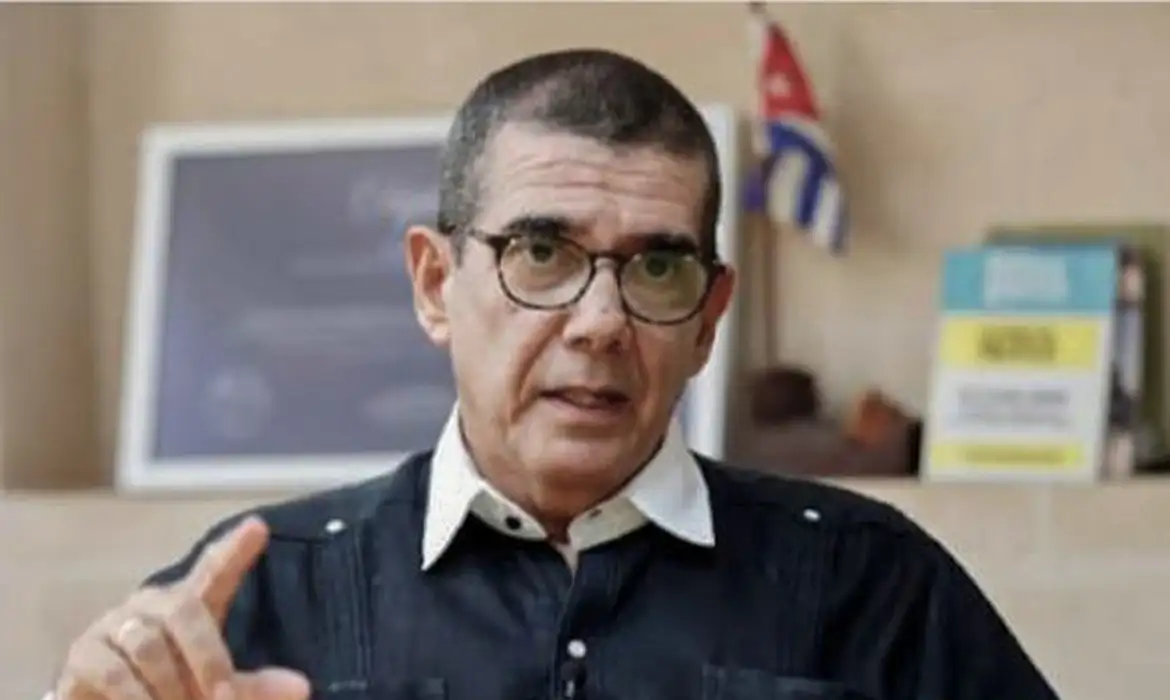
The analysis that the risk of direct intervention is a historical constant was reaffirmed by former Cuban ambassador to the USA and professor of international relations José R. Cabañas Rodríguez to Agência Brasil. “Those who need to analyze the imminence, or not, of the invasion do their job, if they constantly study the movement of military forces, we know that war today can be unleashed from a distance”, said Cabañas Rodríguez, who is also the director of the International Policy Research Center (CIPI), in Havana.
The human impact of energy blockage
The naval and financial siege reached an unprecedented level, resulting in three months without the arrival of tankers at Cuban ports. At a press conference, President Miguel Díaz-Canel detailed the drastic consequences of the energy strike, which imposes blackouts of up to 30 hours in several locations.
The impact transcends the productive sector and directly affects the public health with thousands of postponed surgeries, including urgent pediatric procedures; Basic Services like public transport and water supply facing severe interruptions and Food Safety, leaving the population at the mercy of adverse conditions for food preservation.
Díaz-Canel emphasized that the country operates under exceptional conditions, classifying the damage to Cubans’ quality of life as “immeasurable.”
Pressure Doctrine and Global Alignments
Washington’s current strategy is based on an Executive Order that classifies Cuba as an “unusual and extraordinary threat” to American security. The White House’s central argument rests on Havana’s diplomatic and commercial relations with nations such as Russia, China and Iran. In practice, the measure establishes sanctions and tariffs against third countries that supply oil to the island, in addition to projecting a naval blockade focused on the Venezuela-Cuba route from the end of 2025. Cabañas Rodríguez associates the White House’s aggressiveness with periods of greater economic difficulty in the archipelago.
For the diplomat, the actions constitute a deliberate attempt to force a “regime change”, using economic strangulation as a political weapon — a policy that has lasted for 66 years. Ambassador Cabañas recalled that preparation for a possible military aggression has been part of the Cuban defense doctrine since the victory of the Revolution in 1959. Citing the historical precedent of the Invasion of the Bay of Pigs (Battle of Playa Girón) in 1961, the diplomat reiterated that the popular unity remains the main pillar of deterrence against attempts to violate territorial integrity.
Havana remains ready for understanding
Despite the tension, Havana remains ready for civilized understanding. President Díaz-Canel confirmed the existence of early-stage negotiations with representatives from Washington. The talks, facilitated by international mediators, seek solutions to bilateral differences under principles of sovereign equality; mutual respect for political systems and the self-determination of peoples.
Source: vermelho.org.br