Published 04/13/2026 18:08 | Edited 04/13/2026 18:26
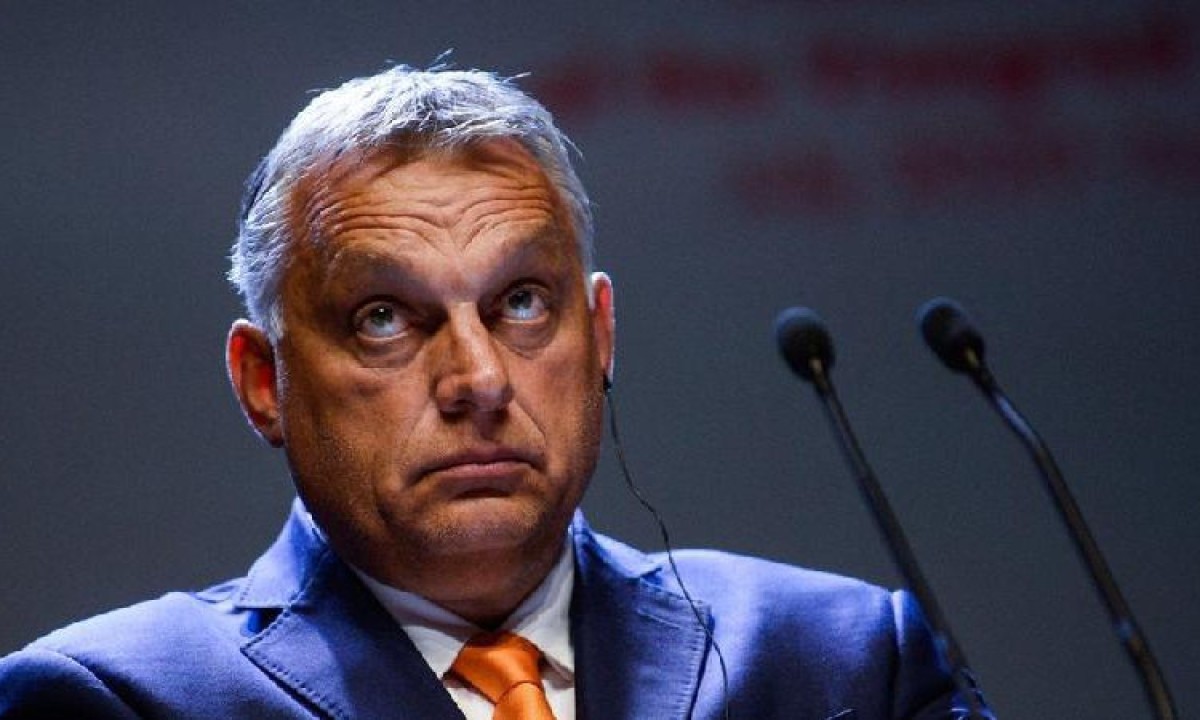
Prime Minister Viktor Orbán and his party, Fidesz-KDNP, suffered a crushing defeat in the parliamentary elections. The center-right Tisza party, led by Péter Magyar — a former ally of Orbán turned into his biggest critic — won a supermajority of 138 of the 199 seats in Parliament. With 52.44% of the national vote (more than 3.1 million voters), Magyar obtained the two-thirds needed for constitutional reforms, leaving Fidesz with just 55 seats and 39.15% of the vote.
Official data from Nemzeti Választási Iroda (NVI), the Hungarian electoral body, confirm a record turnout of almost 80%, the highest in the country’s recent democratic history. Orbán acknowledged his defeat on the night of the election, Sunday (12), admitting that the responsibility of governing was not renewed and that he will serve the country from the opposition. Magyar, in turn, celebrated the “liberation” of Hungary and promised to restore the rule of law, combat endemic corruption and fully align Budapest with the European Union and NATO.
The impact on European political architecture
Magyar’s victory represents a fundamental geopolitical turning point. For more than a decade and a half, Orbán built a regime cynically called “illiberal ‘democracy’” that served as a laboratory for the continent’s far right, characterized by control of state media, concentration of power and strategic alignment with Vladimir Putin. With the new configuration of Parliament, the Tisza government has the strength to reverse laws that have stifled the Judiciary and the press.
Analysts from international outlets such as BBC, El País and Politico point out that Hungary should move away from the Kremlin and get closer to the European Union, which should facilitate the bloc’s unity in defense policies and diplomacy. Furthermore, the move signals the release of European funds previously blocked by democratic violations, offering breathing space to a stagnant Hungarian economy. The collapse of the Orbán model — based on authoritarian nationalism and radical Euroscepticism — serves as a warning to rising ultra-right parties, such as the RN in France and Vox in Spain.
The weakening of the Trumpist axis
Orbán’s fall echoes loudly across the Atlantic. The former prime minister was Donald Trump’s main interlocutor in Europe, functioning as an ideological bridge between Trumpism and European nationalism. The proximity was such that the US Vice President, JD Vance, visited Budapest on the eve of the election to express support for the regime, highlighting Hungary’s strategic value for the American far right.
This defeat isolates Trump’s global network of populist allies, which includes figures like Javier Milei in Argentina. The Hungarian outcome demonstrates that even systems with strong control of the state machinery and nationalist narrative can succumb to popular fatigue in the face of corruption and international isolation. Magyar, although conservative, defends joining the European Public Prosecutor’s Office and adopting the euro, positioning himself at the opposite pole of “America First” isolationism.
The message from the polls and the future of the MAGA movement
The election result in Hungary is an uncomfortable symptom for the MAGA movement in the United States, especially ahead of the 2026 midterm elections. The record mobilization against the Hungarian status quo signals that leaders considered “unshakable” can be removed when the electorate prioritizes institutional normality and economic stability over constant culture wars.
Source: vermelho.org.br