Published 04/13/2026 16:06 | Edited 04/13/2026 16:16
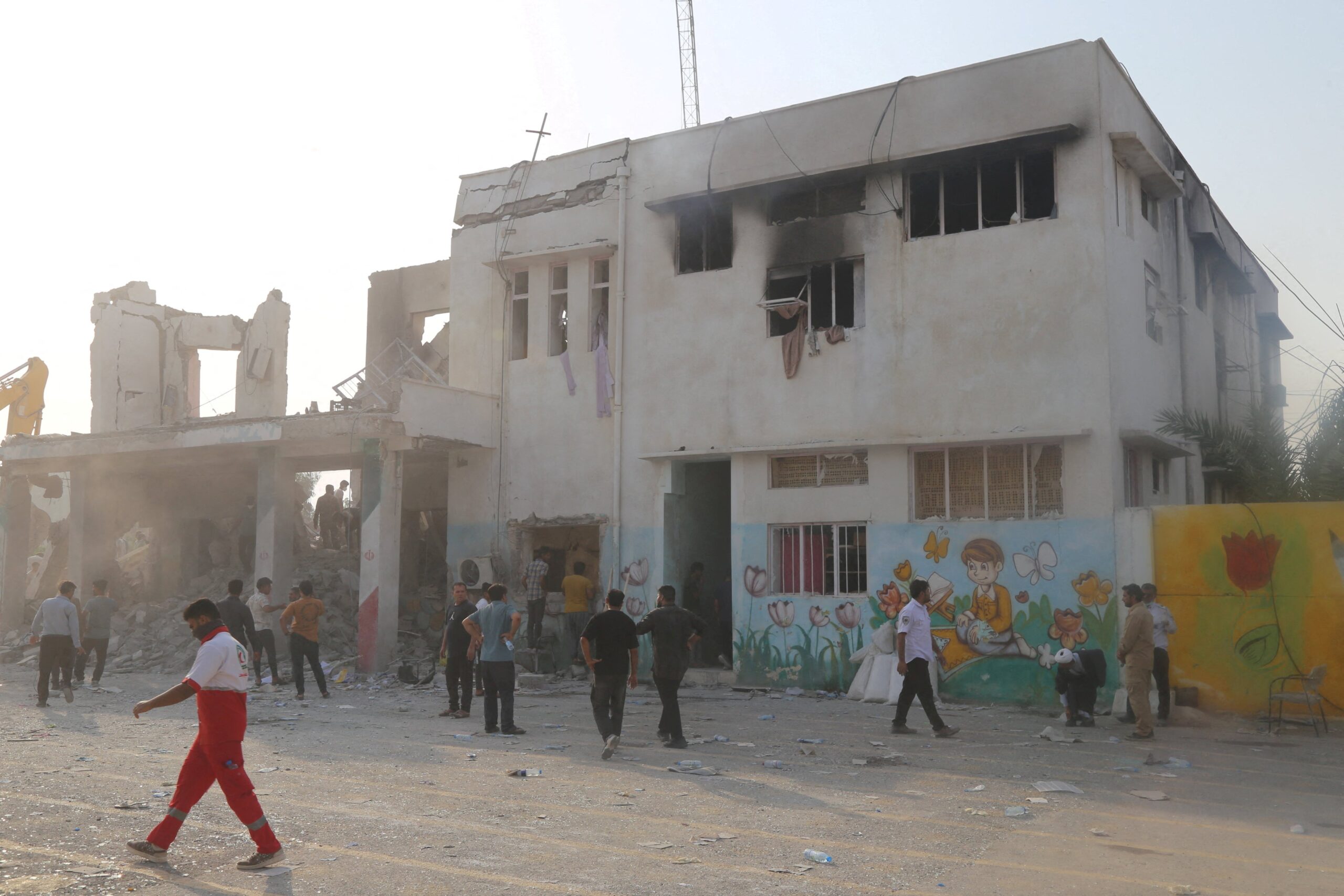
The Iranian government said on Sunday (12) that 942 schools had been damaged across the country since the start of joint airstrikes between the United States and Israel on February 28. The information was released by spokeswoman Fatemeh Mohajerani at a press conference, which also detailed the extent of the damage to civil infrastructure.
According to the data presented, 125,640 civil units were destroyed, including 100,000 homes, 20,500 commercial establishments and 339 health centers. Mohajerani said that reconstruction of schools will take two to three months, while restoration of houses and commercial units may take between three and 24 months. Affected citizens will be able to apply for housing loans to finance the works.
The data reinforces the direct impact of the offensive on the civilian population, with effects that go beyond the military field and affect essential services such as education and health.
Iranian authorities say more than 3,000 people have died since the offensive began.
Investigation points to error in attack on school in Minab
While the damage to civilian infrastructure is being counted, a preliminary investigation by the US Army, according to sources interviewed by CNN, indicates that the attack on the Shajarat al-Tayyiba Primary School in Minab on February 28 may have been the result of outdated intelligence information.
The attack, carried out during operations against an Islamic Revolutionary Guard Corps (IRGC) base located next to the school, reportedly killed at least 168 children and 14 teachers, according to Iranian state media. Satellite images show that although the school and base were part of the same complex in 2013, a fence has separated the two sites since 2016.
Missile fragments recovered at the site appear to be compatible with an American-made Tomahawk cruise missile, according to analysis by CNN and experts. The Pentagon and US Central Command did not comment on the preliminary findings, saying the investigation remains ongoing. Trump claimed to have no knowledge of the matter.
Humanitarian impact and uncertain prospects
The data released by Mohajerani portrays a scenario of broad humanitarian crisis. The destruction of 339 health centers especially affects rural populations that depend on these facilities as their main access to medical services. The loss of almost a thousand schools raises concerns about the prolonged interruption of early childhood education in the affected regions.
Despite the availability of housing loans for reconstruction, estimated timelines suggest that the displacement crisis will extend well beyond any short-term diplomatic resolution. With negotiations stalled, civilian damage mounting and a blockade of the Strait of Hormuz looming, prospects for a lasting agreement remain uncertain.
Source: vermelho.org.br