Published 11/05/2026 10:40 | Edited 05/11/2026 11:30
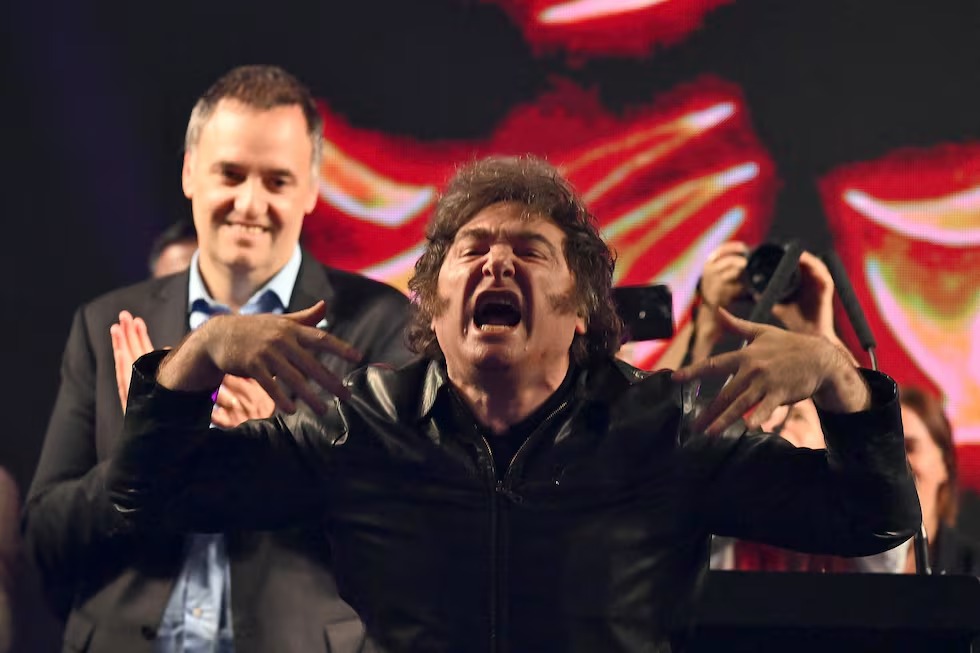
The economic crisis in Argentina can no longer be hidden behind Javier Milei’s “chainsaw” rhetoric.
With rising inflation, a sharp drop in economic activity, rising unemployment and allegations of corruption reaching the heart of the government, the Argentine ultraliberal experiment entered its most frayed phase — to the point that even the magazine The Economistone of the greatest references of liberal thought in the world, states that the president is experiencing a time of “serious problems” and is seeing his credibility deteriorating rapidly.
The wear and tear comes after months in which part of the international liberal press treated the Argentine government as a showcase for extreme austerity prescriptions.
The initial slowdown in inflation, a result of the fiscal shock promoted by Milei’s so-called “chainsaw”, was presented by sectors of the market as proof of the success of ultra-liberal policies.
What these analyzes often ignored was the social cost of the adjustment: wage cuts, falling consumption, stoppage of public works, industrial downturn and increased precariousness of work.
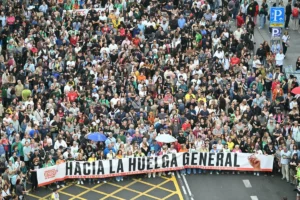
Since the beginning of the mandate, Argentine unions, popular movements and left-wing parties warned that the adjustment based on radical cuts by the State would have a direct impact on the working population.
Now, the economic indicators themselves are beginning to erode Milei’s main political asset: the promise of rapid economic stabilization.
According to official data cited by the British magazine, Argentine GDP fell 2.6% between January and February this year, the biggest monthly contraction since 2023. Industrial activity plummeted, retail trade lost strength and civil construction remains in a deep crisis.
Inflation, which had slowed down at the first moment of the adjustment, accelerated again. In March, it reached 3.4% in the month and 33% in the 12 months.
Her own The Economist highlights that monthly inflation has risen for ten consecutive months, contradicting the government’s optimistic forecasts. Milei even stated, in March, that the index would remain below 1% by August — a scenario that is now considered practically impossible even by liberal analysts.
The social impact of economic policy also appears in the labor market. The retraction of labor-intensive sectors, such as industry, commerce and construction, has caused the loss of hundreds of thousands of formal jobs since the beginning of the government.
Research shows that low wages and unemployment have become the biggest concerns of the Argentine population. Meanwhile, the sectors that continue to grow — oil, mining and agribusiness — employ relatively little and do not compensate for the deterioration in the rest of the economy.
Corruption scandals increase political wear and tear
The economic crisis occurs in parallel with a sequence of accusations that directly affect the core of the government. The most explosive case involves the $LIBRA cryptocurrency, promoted by Milei on her social networks last year.
After the announcement made by the president, the asset soared and then plummeted, generating millionaire losses for smaller investors. Argentine investigators obtained telephone records that show contacts between Milei and businesspeople linked to the project.
According to the report from The Economistinvestigators also found preliminary documents that mentioned million-dollar payments related to the operation. Although there is, to date, no proof that Milei has received resources or committed a crime, the president is now formally treated as a person of interest in investigations conducted by the Argentine justice system.
Another focus of attrition involves spokesperson and chief of staff Manuel Adorni, who is being investigated on suspicion of illicit enrichment.
The investigation involves international travel, the use of private jets and the acquisition of properties in conditions considered suspicious by Argentine prosecutors. Adorni denies wrongdoing, but the case deepened public perception of the contradiction between the government’s anti-caste discourse and the administration’s practices.
Instead of reducing tension, Milei intensified attacks against journalists and media outlets.
The president published dozens of hostile messages to the press in a few days and temporarily restricted reporters’ access to the Casa Rosada. The episode increased criticism about the authoritarian nature of the government and brought Milei even closer to the rhetoric used by the international extreme right.
Liberalism without growth deepens Argentine impasse
The British publication’s report also points out a central contradiction in Milei’s economic model: the government prioritized combating inflation through high interest rates, monetary contraction and artificial appreciation of the peso, but this stifled productive activity.
The strong peso made imports cheaper and hit Argentine industry, which lost competitiveness compared to foreign products.
At the same time, the abrupt cut in subsidies and public spending helped produce a fiscal surplus, celebrated by the financial market, but further reduced economic dynamism.
The government even started delaying payments to public sector suppliers to preserve fiscal accounts.
Even so, sectors of the market continue to bet that Argentina can return to growth driven by oil, gas and mining exploration. Analysts cited by The Economist they still project growth of more than 3% this year.
But the magazine itself warns that Milei will need to show concrete improvements in employment, income and inflation to avoid a deeper political deterioration until the 2027 presidential elections.
The fact that such harsh criticism now comes from one of the main global references of liberal thought reveals the dimension of the crisis faced by the Argentine government.
After months of being treated as a symbol of radical ultraliberalism, Milei began to be seen even by sectors that supported him as a president incapable of stabilizing the economy without causing social deterioration, political instability and institutional wear and tear.
Source: vermelho.org.br