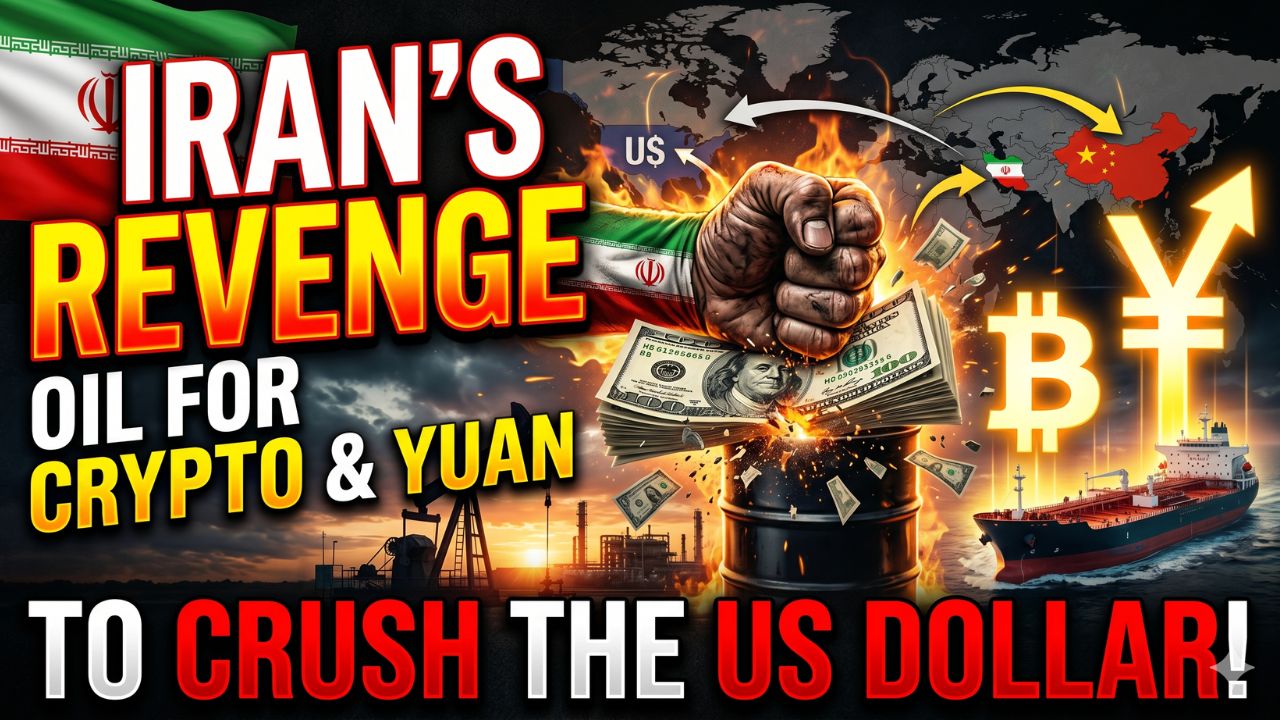
The United States has escalated the global energy crisis by imposing a strict new naval blockade on Iranian oil shipments, threatening to plunge already fragile global markets into chaos. Directed by President Donald Trump, the measure aims to stop “any and all ships” from entering or leaving the Strait of Hormuz, a critical artery for global energy trade.
Enforced by the US Central Command, the blockade targets vessels traveling to and from Iranian ports in both the Persian Gulf and the Gulf of Oman. While Washington claims this enforces freedom of navigation, Iran is striking back with a multi-layered economic and military strategy designed to heavily penalize the US and its allies.
In retaliation, Tehran has targeted American military bases, refineries, and a Saudi pipeline. Most significantly, Iran is aiming to weaken US financial dominance by demanding oil payments be settled in yuan or cryptocurrencies, leveraging infrastructure built alongside Russia and other sanctioned nations to bypass Western financial channels entirely.
The economic shockwaves have been immediate. Following Trump’s announcement, Brent crude oil temporarily skyrocketed past the psychological $100 per barrel mark. Major shipping companies and energy traders have hit the panic button, pausing operations as they scramble to understand the enforcement mechanisms of the US measures.
Yet, the blockade is facing fierce resistance and defiance on the world stage. China is openly rejecting the US mandate. Chinese Defense Minister Dong Jun boldly declared that Chinese ships are moving freely through the Strait of Hormuz and that Beijing fully intends to honor its energy agreements with Iran. With Chinese-owned tankers continuing their transit, an early test of US resolve is looming. Experts warn that attempting to arrest Chinese tankers could violently backfire on Trump, potentially sparking an unmanageable escalation between the two superpowers.
Meanwhile, traditional US allies are deeply divided or in outright panic. Saudi Arabia is actively urging Washington to abandon the blockade, terrified that Iran could escalate further by utilizing its Houthi allies to target alternative shipping routes like Bab al-Mandeb. The European Union’s foreign policy chief expressed deep confusion over the US strategy, admitting it is “not entirely clear what is the action by the US”. Israel stands as the lone major supporter, confirming they remain “in constant coordination” with the Trump administration regarding the blockade.
Ultimately, this blockade appears to be an expansion of Trump’s long-standing, confrontational strategy of cutting off trading opportunities for nations America seeks to suppress, mirroring similar economic blockades against Venezuela and Cuba. With global energy markets teetering and China refusing to back down, the world watches closely to see if this geopolitical gamble will lead to a catastrophic global conflict.