Published 04/08/2026 15:17 | Edited 04/09/2026 17:44
The President of the United States, Donald Trump, announced this Wednesday (8) that he will impose extra tariffs of 50% on all products sold to the USA by countries that trade military weapons with Iran. The statement, published on the social network Truth Social, establishes that the measure has “immediate effect” and does not provide for “exclusions or exemptions”.
The announcement comes a day after Trump confirmed a two-week ceasefire agreement with Tehran. Under the agreement, Iran committed to immediately reopening the Strait of Hormuz — a critical route for global oil transport —, which is already experiencing intense movement this Wednesday.
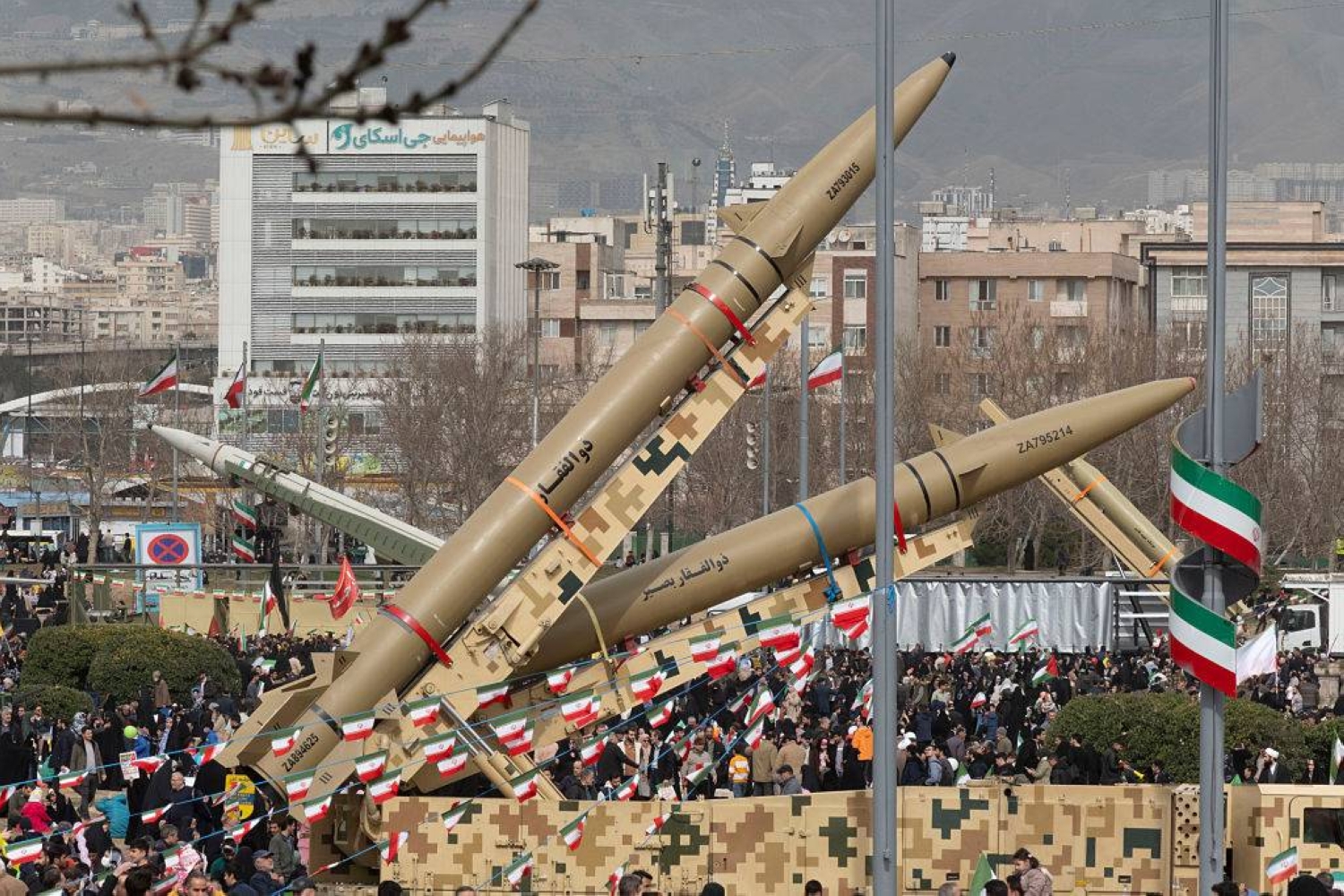
The tariff threat could directly affect China, Iran’s main supplier of “dual-use” items such as drones and spare parts with military applications. Beijing was also close to closing the sale of anti-ship cruise missiles to Tehran, according to Reuters.
Uranium and nuclear cooperation
In new posts on Truth Social, Trump stated that “there will be no uranium enrichment” by Iran and that the United States will work “cooperatively” with Tehran to remove “deeply buried” nuclear material following previous bombings. The president cited Space Force satellite surveillance to monitor the site.
The continuation of the Iranian enrichment program — which Tehran guarantees has peaceful purposes — was one of the regime’s demands to make the truce definitive. Trump also declared that “many of the 15 points” of a negotiating plan have already been agreed upon, including discussions on tariffs and sanctions relief.
Questions about legal basis
Despite the assertive tone, experts point out legal uncertainties regarding the imposition of tariffs. In February, the U.S. Supreme Court stripped the president of the main legal tool used for unilateral tariffs: the 1977 Emergency Act.
Remaining alternatives, such as Section 338 of the Tariff Act of 1930, allow tariffs of up to 50% but require specific justifications—such as combating discriminatory foreign trade practices. Applying them to arms trade with Iran would be a “legally questionable” interpretation, according to analysts. The White House did not respond to requests for comment on what legal basis will be used.
The move complicates preparations for the summit between Trump and Chinese President Xi Jinping, scheduled for next month in Beijing. The Chinese embassy in Washington did not comment on the announcement. Analysts assess that the overlap between foreign policy, trade and nuclear security could test the limits of North American executive power and the stability of negotiations in the Middle East.
Source: vermelho.org.br