Chavistas and opponents ended the first round of dialogues in Venezuela this Wednesday (12). The conversations began on August 1st and are part of the framework of the National Program for Democratic Coexistence, initiated after the January 3rd US attack on the country and the kidnapping of President Nicolás Maduro and his wife, national deputy Cilia Flores.
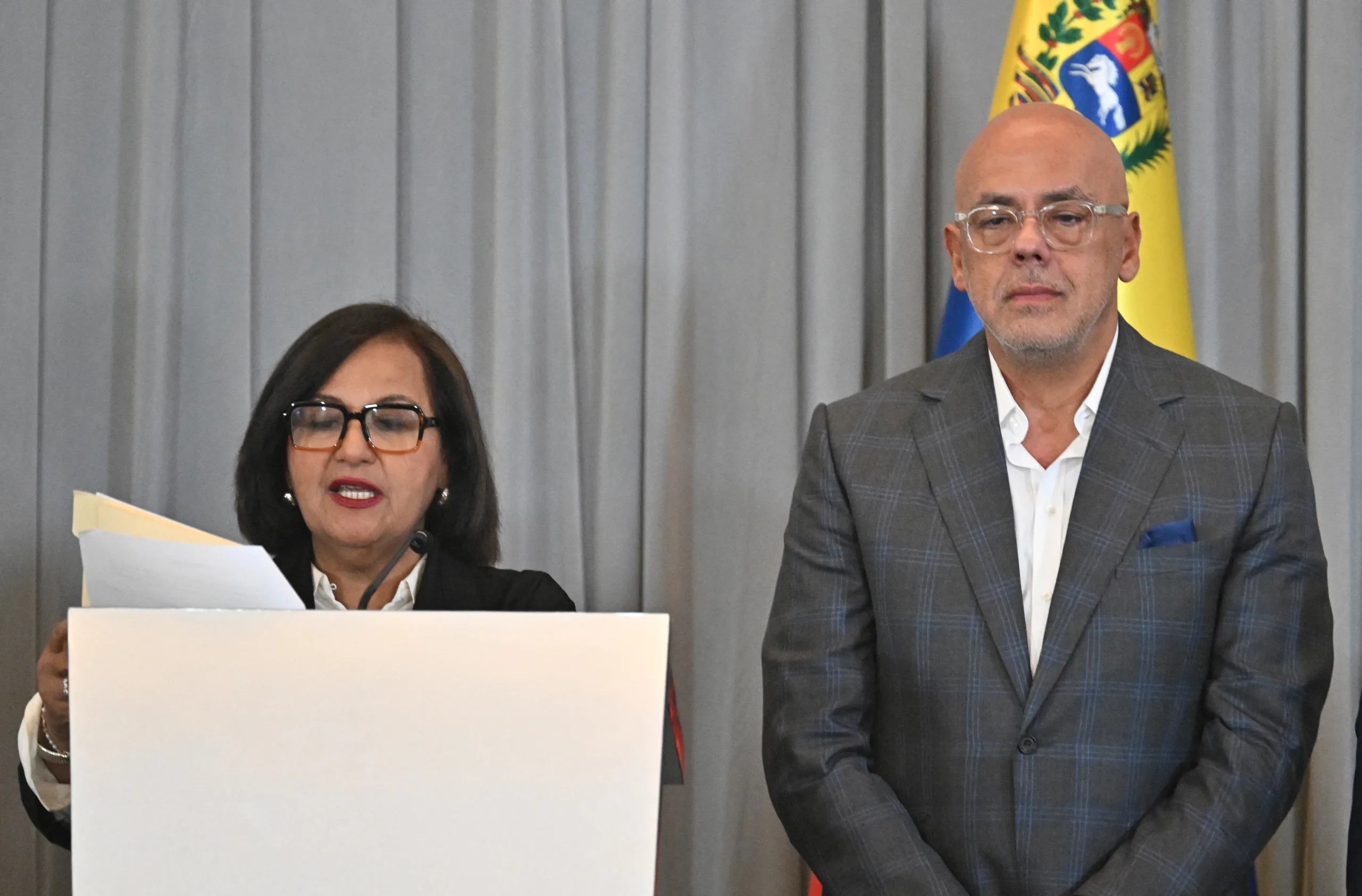
At the end of this Wednesday’s meeting, the heads of the Chavista delegation, Jorge Rodríguez, and the opposition delegation, former deputy Dinorah Figuera, read a press release. In it, the representatives took stock of the five work sessions held last week.
“The operational methodology of this initiative and the technical working groups were approved. For this cycle, two technical working groups were created: a) Emergency response to the double earthquake; b) Strengthening democracy, the judiciary and the electoral system”, says the text.
The two delegations agreed to prioritize actions that seek to rebuild the country after the double earthquake of June 24, including the recovery of international reserves blocked abroad.
“In view of the magnitude of the tragedy caused by the double earthquake of June 24, and in order to continue providing assistance to the victims of these earthquakes, it is agreed to work on strengthening assistance programs for housing, electricity, health and debris removal. In this sense, both parties will focus their efforts on promoting the recovery of Venezuela’s international reserves held at the Bank of England, establishing transparency, traceability and audit mechanisms to guarantee their efficient use and the well-being of all those affected”, states another excerpt.
Furthermore, the parties also agreed to initiate a process of changes to the justice system, which includes reforms to the Organic Law of the Supreme Court of Justice (STJ) and other laws of the justice system; the renewal and expansion of the judicial appointments commission; the implementation of a new appointment process for the renewal and appointment of all STJ ministers; and the creation of a council to analyze the credentials and qualifications of candidates for the Supreme Court, “ensuring compliance with the Constitution, legislation and evaluation criteria”.
Finally, it was informed that the schedule for implementing the agreements will begin in August, “with official announcements and concrete actions, under a continuous work mechanism that ensures strict compliance with each commitment”. Both parties estimate that the rounds of talks should last at least six months, possibly starting in 2027.
What’s at stake?
On the one hand, the opposition’s main point is the establishment of an electoral calendar for all levels of government, the renewal of the National Electoral Council (CNE), the body responsible for organizing elections, and the Supreme Court of Justice (TSJ), and the rehabilitation of citizens whose political rights have been suspended.
On the other hand, the government wants the suspension of economic sanctions and the return of Venezuelan assets and reserves that began to be managed by this political group abroad, with the approval of foreign governments, in addition to public recognition of the results of the 2024 elections, which resulted in the re-election of Nicolás Maduro as president.
Source: www.brasildefato.com.br