Published 04/30/2026 09:53 | Edited 04/30/2026 11:13
One month before the presidential election in Colombia, the president of Ecuador, Daniel Noboa, an ally of Donald Trump, tries to interfere in the Colombian electoral process by accusing Gustavo Petro’s government of links with guerrillas.
This Wednesday (29), Noboa stated, without presenting evidence, that an alleged “incursion” by guerrillas across the northern border was being promoted by Petro’s government, which led the Colombian president to react, classify the statements as “lies” and challenge him to a meeting at the border.
“Several sources have informed us of an incursion across the northern border by Colombian guerrillas, driven by the Petro government,” Noboa accused in a post on social media.
The statement was made without detailing the location, date or evidence of the alleged incursion, which deepened tension between the two countries and the perception of interference in the electoral process at a time of political, commercial and military escalation.
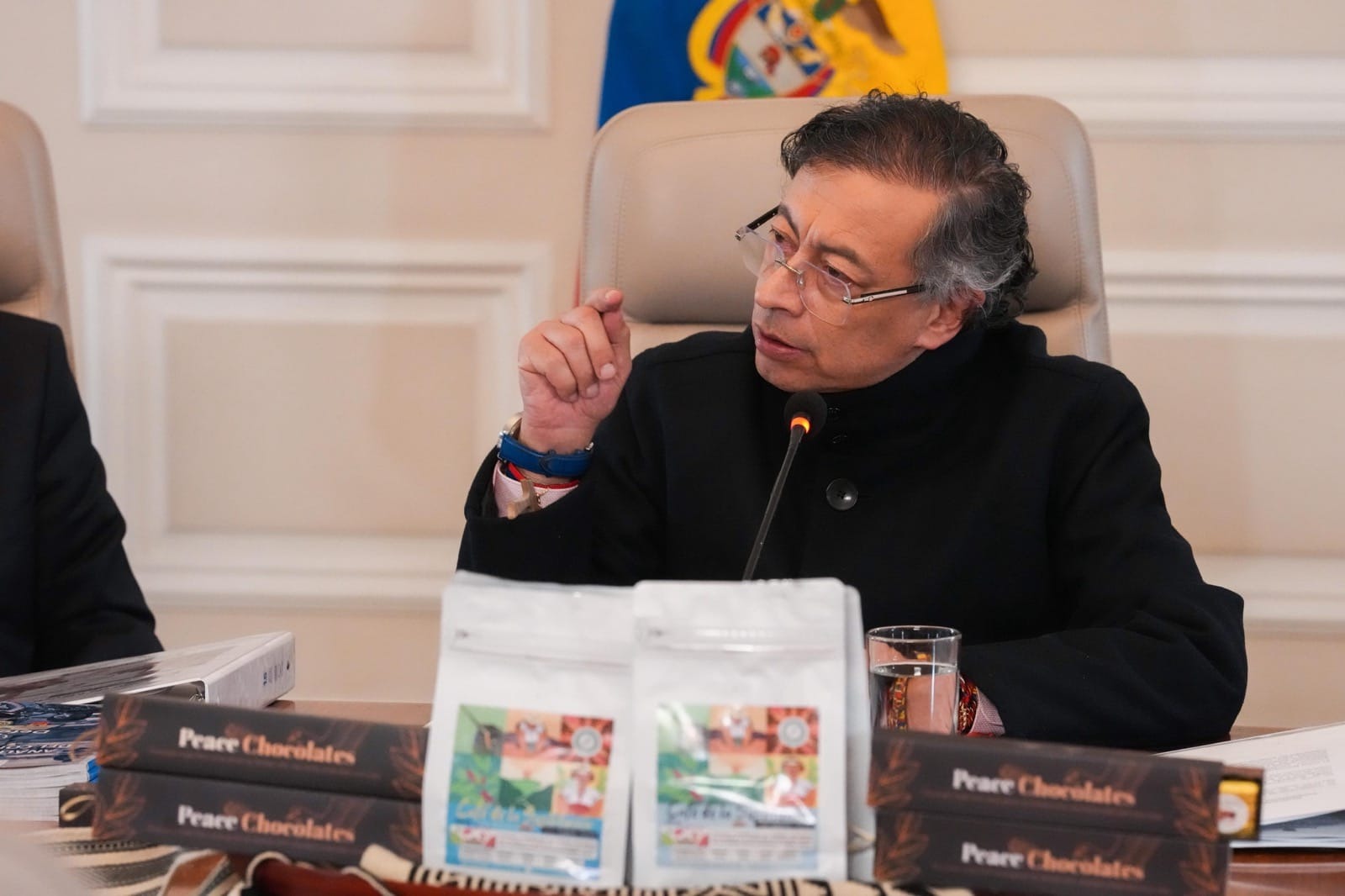
Gustavo Petro’s reaction came a few hours later, also on social media.
The Colombian president denied the accusations and responded directly to the Ecuadorian president, stating: “Go to the northern border and meet with me, and we will build peace in these territories; stop believing in lies.”
In recent days, the Ecuadorian president lied when he said that the Colombian president had maintained links with drug trafficker José Adolfo Macías Villamar, known as “Fito”, appointed as head of the criminal organization Los Choneros, one of the main organized crime structures in Ecuador.
The accusation, once again, was not accompanied by evidence. Petro rejected the allegation and said it was based on flimsy interpretations of intelligence reports. The Colombian president detailed that the narrative presented by Ecuadorian authorities is based on supposed “strange movements” by his security team.
In a critical tone, Petro added that the movements mentioned were routine activities: “The strange movements are taking me food and the person who helps me write my book”.
The episode adds to a series of recent clashes between Bogotá and Quito, which had already been deteriorating since the beginning of 2026 with the imposition of commercial tariffs by Ecuador.
Initially set at 30%, the rates were progressively increased until reaching 100% on several Colombian products, with entry into force scheduled for May 1st. Colombia responded with equivalent measures, intensifying the economic dispute between the two countries.
In March, the Ecuadorian government admitted carrying out bombings in areas close to Colombia, amid deepening military cooperation with the United States and the intensification of operations against armed groups in the region.
Another point of friction is the case of former Ecuadorian vice president Jorge Glas, arrested for corruption. Petro classified him as a “political prisoner”, while the Ecuadorian government considered the statement to be interference in internal affairs.
Source: vermelho.org.br