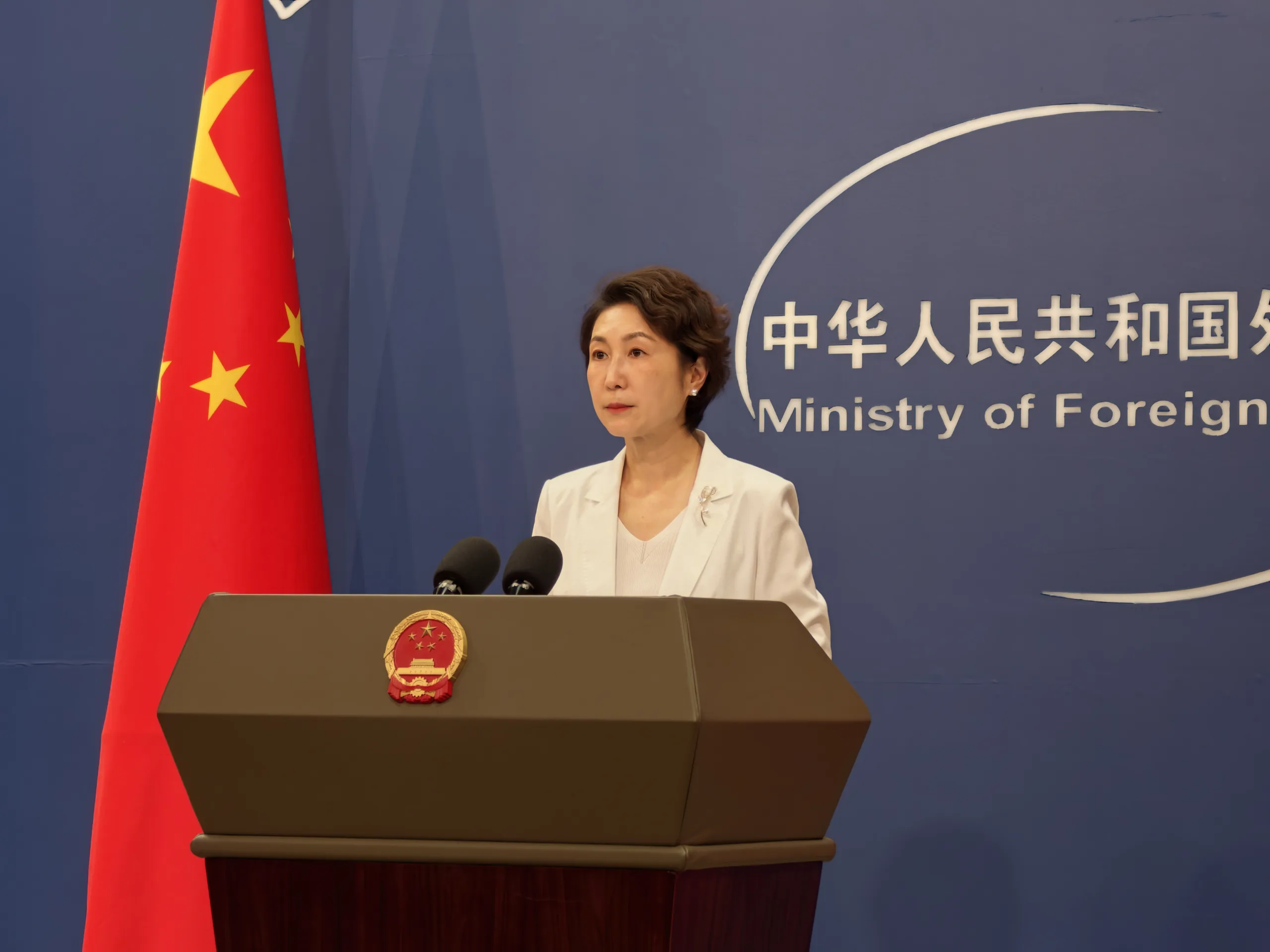
China demanded, on Thursday (9), that the United States “immediately cease the blockade and sanctions against Cuba, as well as any form of coercion, pressure and military threats”. The statement was made by the spokesperson for the Ministry of Foreign Affairs, Mao Ning, at a press conference in Beijing, two days after the UN General Assembly decided, by a large majority, to continue the debate on the end of the US embargo on the island.
Mao Ning denounced that the US has imposed blockades and sanctions on Cuba for more than 60 years and has recently intensified measures, “creating an energy crisis” in the country. For the spokesperson, the US policy “serious violates the purposes and principles of the UN Charter”, “severely infringes on Cuba’s right to survival and development” and “has caused profound suffering to the Cuban people”.
On Tuesday (7), the General Assembly decided, with 136 votes in favor, 30 abstentions and nine against, including the United States itself, to continue debating “the need to put an end to the economic, commercial and financial embargo” imposed by Washington against Cuba.
For Mao Ning, the “overwhelming” decision demonstrates “once again the support of the international community for the Cuban people in defending their national sovereignty” and shows that “the pursuit of unilateralism and intimidation is unfair, isolated and unpopular.” The spokeswoman said China is willing to work together with other countries to “firmly support Cuba in safeguarding its national sovereignty and dignity and opposing foreign interference.”
Debate in the General Assembly
During the session, Cuban Foreign Minister Bruno Rodríguez stated that the US energy blockade “constitutes an act of war”. According to the minister, the US cut off the island’s access to fuel supplies, both commercial and humanitarian, “using direct threats, unilateral coercive actions and even harassment and intimidation of tankers by military means”.
Rodríguez said the “multidimensional and unconventional” war against Cuba has lasted nearly seven decades and “has become even more brutal in the last seven months.” The damage accumulated by the blockade since its imposition amounts to US$178.7 billion (plus R$900 billion) at current prices, according to the Cuban chancellor.
The session was opened under the objection of the USA: the American representative Jeffrey Bartos classified the debate as a “waste” of UN resources and asked for a roll call vote to decide whether the issue would return to the agenda, won by the 136 countries. Organizations such as the Group of 77, the Non-Aligned Movement and the African Union spoke calling for the end of the embargo.
Stéphane Dujarric, spokesman for UN Secretary-General António Guterres, said on the same Tuesday that the organization is working to make it possible to send fuel to Cuba for humanitarian use. “We remain very concerned about the situation on the ground and the impact of energy shortages on health, education and basic services,” he said.
Source: www.brasildefato.com.br