Published 05/21/2026 12:20 | Edited 05/21/2026 12:40
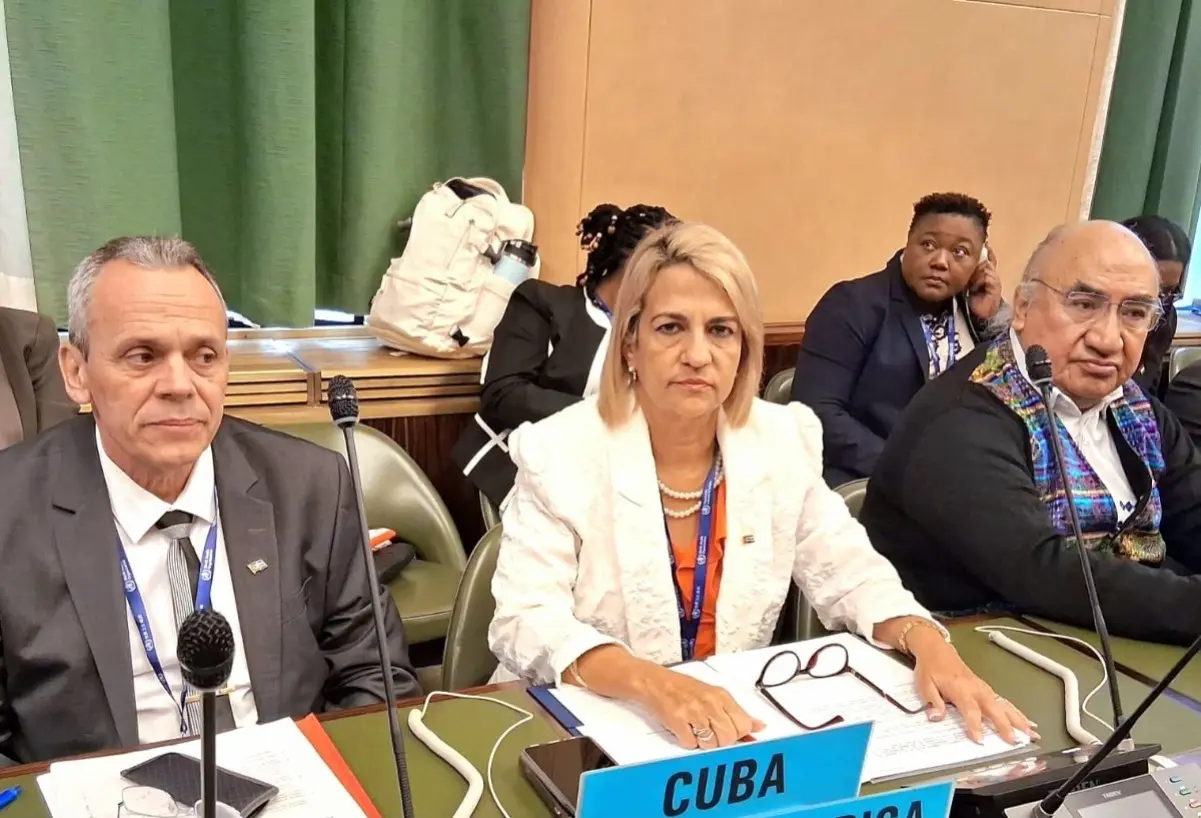
The criminal economic and energy blockade of Cuba by the United States has doubled infant mortality on the island. The serious situation was denounced on Tuesday (19) by Cuba’s first vice-minister of Health, Tania Cruz, in a speech at the 79th World Health Assembly, in Geneva, Switzerland.
According to her, the Cuban health system has been heavily impacted, with increased difficulty in caring for children and the elderly, especially. According to the minister, the intensification of the scarcity of resources, especially fuel, which generates energy for the country, is a “genocide and deserves the condemnation of all WHO members”.
The socialist country is internationally recognized for the exemplary way it offers healthcare to its people, as well as sending doctors around the world to work in extreme situations or where other professionals do not want to go.
For decades, Cuba has recorded the lowest infant mortality rates in the Americas and one of the lowest in the world. However, the intensification of the economic blockade combined with the total cut in fuel shipments by other countries has caused this index to rise. According to the Center for Economic and Political Research (CEPR), between 2017 and 2025, the tightening of sanctions on the island had caused infant mortality to increase by 148%, affecting around 1,800 births.
Read more: Cuba reacts to accusations against Raúl Castro and denounces US escalation
But now the situation is even worse. In 2026, since the US kidnapped Nicolás Maduro and cut off Venezuelan fuel shipments, Cuba began to experience energy shortages.
As Cruz explained, the instability of energy supply affects the entire country, and hospitals and clinics are no different. As a result, infant mortality doubled to reach 9.9 per 1,000 live births, as well as the survival rate of children with cancer plummeted from 85% to 65%.
Around 16 thousand people who undergo radiotherapy and 3 thousand who undergo hemodialysis are also affected. These treatments depend on energy security to continue and, thus, provide positive effects to patients.
To complete the chaotic scenario created by Donald Trump’s administration, the queue for surgeries has skyrocketed and now exceeds 100,000 people, 12,000 of which are children.
Even with the serious situation, Cruz showed the pride of the Cuban people: “Among the challenges, the national health system has not collapsed. We will continue to reorganize ourselves based on resilience and optimization of resources. Cuba will resist.”
The World Health Assembly is the WHO’s supreme decision-making body, which meets annually in May and is responsible for determining the organization’s policies. Check out the vice-minister of Health’s full speech below:
The US has imposed a total fuel blockade on Cuba, which adds to an already tightened economic blockade. It is an action with serious impact on our health system.
🗣️ Intervention by the First Vice Minister of Health, Dr. Tania Margarita Cruz at the World Health Assembly pic.twitter.com/Lv53hDebPM
— Chancellery of Cuba (@CubaMINREX) May 19, 2026
At the end of the speech, Cruz also thanked the friendly people who sent aid (among them Mexico, Uruguay, China and Russia) and highlighted that the Caribbean island does not shy away from sending aid to other nations, as happened during the Ebola outbreak in West Africa in 2014.
Brazil and WHO recognition
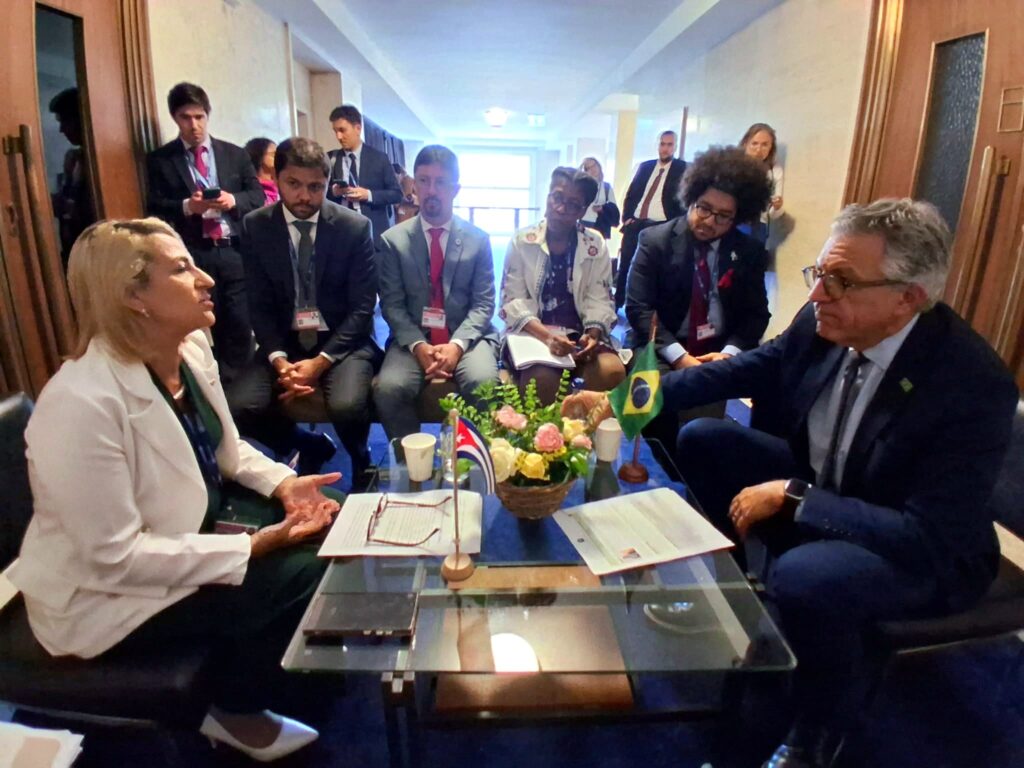
Cuba’s Vice Minister of Health, Tania Cruz, was with Brazil’s Minister of Health, Alexandre Padilha, during the event. On her networks, she posted that joint work was agreed to achieve greater integration between medical entities in the Global South and strengthen scientific cooperation between countries.
During the assembly, the director general of the WHO, Tedros Adhanom, presented Cuba with a certificate recognizing the continued validation of the elimination of vertical transmission (from mother to child) of HIV and syphilis.
“This is a recognition of the will of an entire country to safeguard the health of its people,” said Cruz.

Source: vermelho.org.br