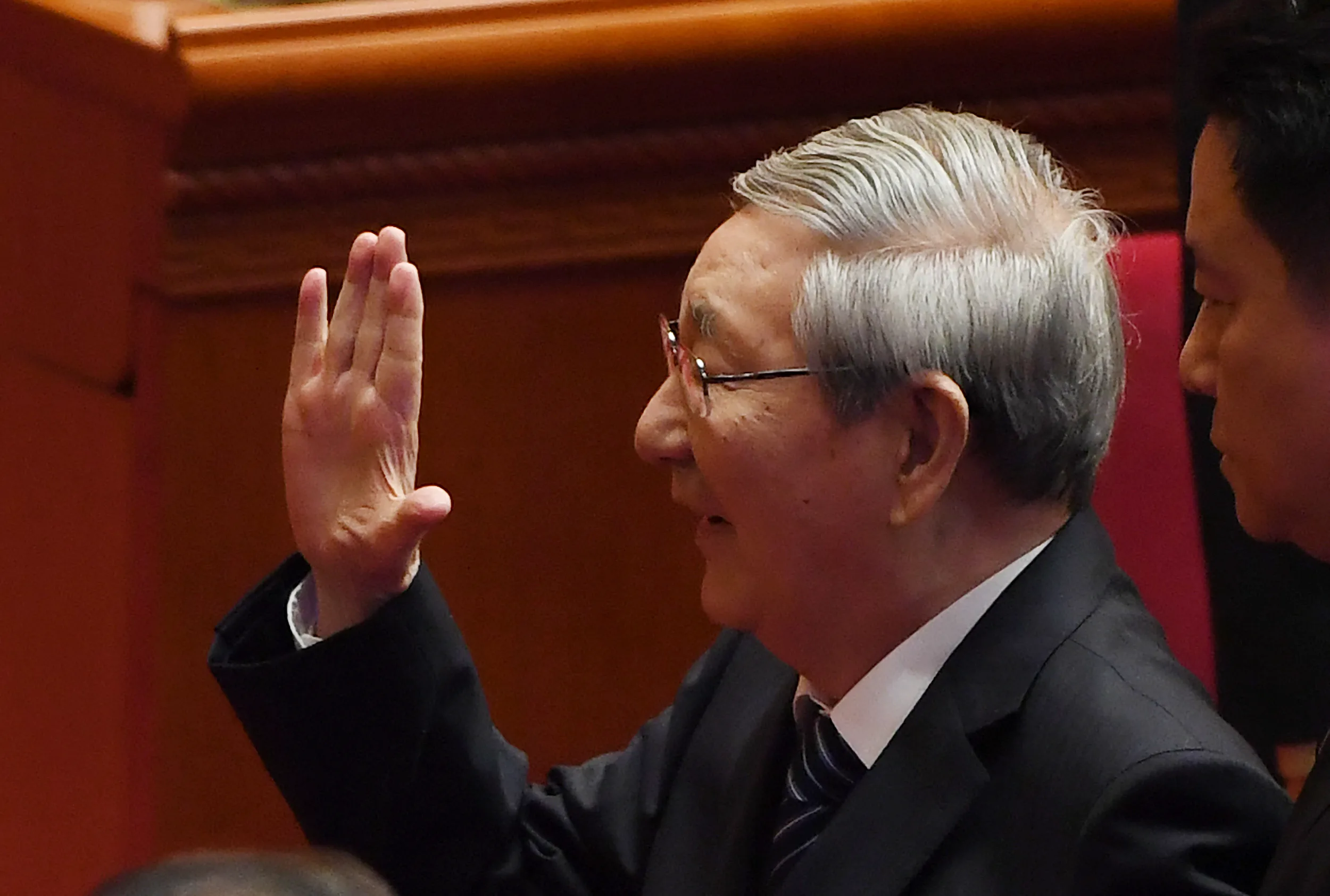
Zhu Rongji, Prime Minister of China from 1998 to 2003, died this Wednesday (12), at 11:06 am, in Beijing, aged 98.
In the second half of the 1990s, he was one of the key figures in China’s transition to a socialist market economy, a model that combined price and competition mechanisms with central planning, without giving up state control over strategic sectors. His administration presided over tax reform, the restructuring of state-owned companies and the negotiations that led China to the World Trade Organization (WTO) in 2001.
The yuan in the Asian crisis
In 1997, the International Monetary Fund (IMF) conditioned its bailout packages for Thailand, South Korea and Indonesia on spending cuts, high interest rates and accelerated market opening. China, in turn, announced that it would not devalue the yuan.
“International opinion was almost unanimous: if China did not devalue its currency, it would be doomed,” said Li Yang, former vice president of the Chinese Academy of Social Sciences, in an interview with Xinhua. The exchange rate of the yuan against the dollar has been stable at 8.27 since 1998.
For Li Yang, the decision consolidated China as “a responsible great power” and guaranteed the yuan international credibility.
Zhu served on the Politburo Standing Committee during the 14th and 15th Congresses (1992–2002). Born in October 1928 in Changsha, Hunan Province.
Source: www.brasildefato.com.br