Published 05/22/2026 11:10 | Edited 05/22/2026 11:27
After the summit between Donald Trump and Xi Jinping in Beijing last week, the US government began issuing contradictory signals about Taiwan, increasing uncertainty surrounding Washington’s policy towards the island and fueling tensions with Beijing.
While Trump once again adopted statements considered provocative by Chinese diplomats — including the unprecedented possibility of speaking directly with Taiwanese leader Lai Ching-te — members of the US government itself indicated a temporary suspension of arms sales to Taiwan amid the war against Iran.
The most striking statements came from the acting secretary of the US Navy, Hung Cao, during a hearing in the US Congress on Thursday (21).

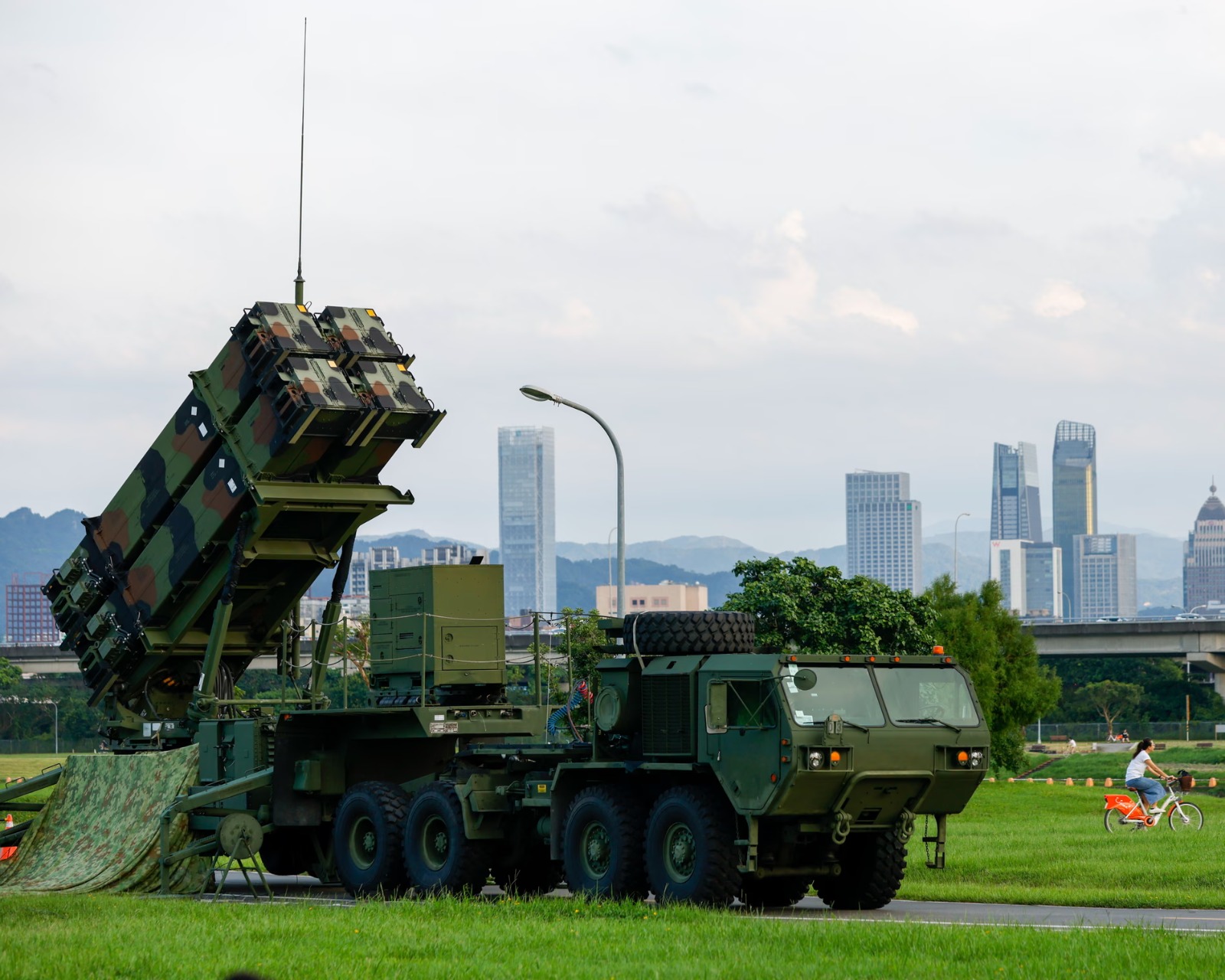
Asked about a US$14 billion arms package for Taiwan, which has been awaiting White House approval for months, Cao said sales are “on pause” to ensure sufficient military stocks for US operations in the Middle East.
“We are pausing to ensure we have the necessary ammunition for Epic Fury”, he declared, in reference to the war waged by the US against Iran. According to him, military sales abroad “will continue when the government deems it necessary”.
The speech generated discomfort even among Republican parliamentarians more linked to the war industry. Senator Mitch McConnell said he was “concerned” about the White House’s lack of definition on the issue.
China pressures US after meeting in Beijing
The suspension comes just days after the meeting between Trump and Xi Jinping in Beijing, in which Taiwan appeared as one of the main points of friction between the two powers.
According to the international press, Xi directly warned Trump that China and the US could “collide or even conflict” if the Taiwan issue “is not handled properly”.
Beijing considers Taiwan an inseparable part of Chinese territory and has historically opposed US arms sales to the island, classified by Chinese diplomats as a violation of the “one China” principle.
In recent years, Washington has significantly expanded the military packages sent to Taipei, while at the same time intensifying its naval and military presence in the Indo-Pacific.
North American policy, however, remains marked by the so-called “strategic ambiguity”: the US arms Taiwan, but avoids explicitly declaring whether it would intervene militarily in the event of a direct conflict with China.
Trump mixes diplomatic pressure and indirect threats
After the meeting with Xi, Trump began issuing ambiguous messages about the future of relations between Washington, Beijing and Taipei.
During an interview with Fox News still in Beijing, the US president described the arms packages for Taiwan as an “excellent negotiating currency”, suggesting using the issue as a bargaining instrument in negotiations with China.
Upon returning to the USA, Trump stated that he had discussed Taiwan “in great detail” with Xi Jinping and declared that he would soon make a “determination” on pending armaments.
At the same time, the Republican also stated that he intends to speak directly with Lai Ching-te, in a gesture that would break decades of diplomatic protocol between Washington and Taipei.
No sitting U.S. president has officially spoken to a Taiwanese leader since 1979, when the U.S. transferred diplomatic recognition of Taiwan to the People’s Republic of China.
The possibility of a direct conversation between Trump and Lai has already provoked reactions from Chinese diplomats this week. Beijing reiterated that it is “firmly” opposed to official contacts between US authorities and Taiwan, in addition to condemning new arms sales to the island.
Source: vermelho.org.br