Published 04/16/2026 18:53 | Edited 04/16/2026 19:03
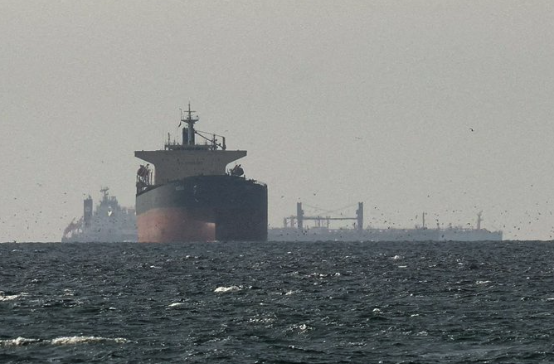
The Strait of Hormuz is consolidated as the epicenter of a war that has changed its face. The conflict went from being just an exchange of missiles to becoming a naval suffocation operation that many analysts now classify as institutionalized “state piracy”.
The official speech in Washington is total victory. In a recent bulletin, Secretary of Defense Pete Hegseth stated that the Operation Epic Fury neutralized Iran’s military industrial capacity, destroying bases in Bandar Abbas and eliminating the country’s conventional fleet. For the Pentagon, without large ships, Iran would have been “swept out” of the maritime chessboard.
However, there is a contradiction between the Pentagon’s announcements and the reality in the Gulf. The Islamic Revolutionary Guard Corps (IRGC) maintains what it calls “intelligent control” of the region. Instead of radar-vulnerable frigates, Tehran is banking on invisible resistance: thousands of speedboats, smart naval mines and missile batteries hidden in the Zagros Mountains. Iran proves that it does not need a classic navy to keep the Strait under tension; the ability to deny the use of the area to the enemy is sufficient.
Or naval “lawfare” of the United States
The blockade that began on April 13, sustained by 10 thousand soldiers and surveillance systems Aegisintroduces a dangerous concept: the lawfare naval. Under the pretext of “guaranteeing freedom of navigation”, the US uses international standards in a distorted way to seize cargo and coerce merchant ships.
This hybrid warfare strategy works like modern piracy, where brute force is justified by unilateral interpretations of maritime law. By forcing the withdrawal of 13 oil tankers and the diversion of trade routes, Washington is trying to strangle the Iranian economy without having to formally declare a total war, which would have even more catastrophic impacts on the markets.
Oil barrel volatility
The energy market reflects the tug of war. Although oil has soared above US$ 111 per barrel, prices closed yesterday with Brent at US$ 94,93 eo WTI a US$ 91,29. The one-off drop indicates that the market is breathing a sigh of relief with the ceasefire in Lebanon, but the structural tension in Hormuz prevents any real stability.
read more: Trump announces truce, but Israel maintains occupation plans in Lebanon
The ten-day truce in Lebanon — conditioned by Hezbollah on the full withdrawal of Israeli forces from the south — serves a clear tactical purpose for the US-Israeli axis: to isolate Tehran. By “freezing” the Lebanese front, Israel consolidates its ten kilometer security zone, while the US repositions its aircraft carriers in the Gulf of Oman to intensify pressure on the Iranian regime.
Resistance and sovereignty
With more than 3 thousand dead in Iran and a devastated civilian infrastructure, the scenario is one of acute humanitarian crisis. However, history shows that naval victories do not guarantee political surrenders. Iranian asymmetric resistance and the growing solidarity of Global South nations such as China and Russia against economic piracy suggest that Washington’s control of the oceans is, today, more a propaganda of power than a concrete reality.
Source: vermelho.org.br