Published 04/28/2026 17:30 | Edited 04/28/2026 17:50
After almost 60 years of being part of OPEC (Organization of Petroleum Exporting Countries), the United Arab Emirates announced its departure from the group (as well as OPEC+) as of May 1st. The surprising decision was announced this Tuesday (28).
The announcement comes amid the crisis in product trade generated by the conflict in the Middle East. “This decision reflects the UAE’s long-term strategic and economic vision and the evolution of its energy profile, especially the acceleration of investments in national energy production,” announced the country’s state agency, Wam.
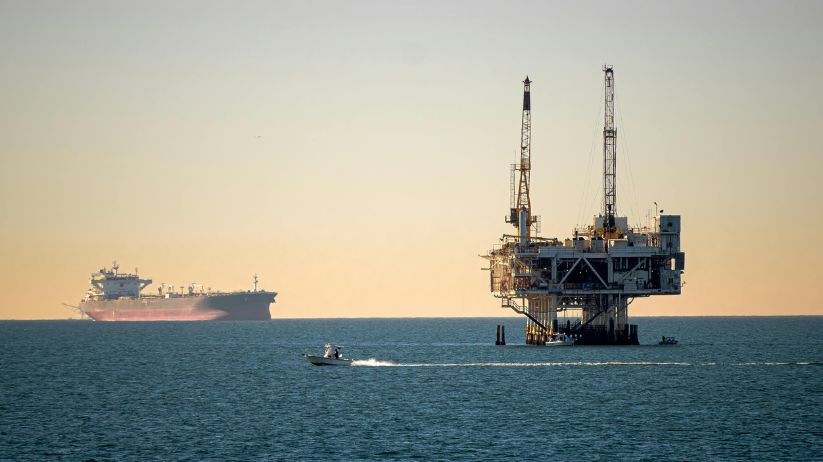
The Gulf countries that make up OPEC were already facing difficulties exporting through the Strait of Hormuz, through which 1/5 of the world’s crude oil and liquefied natural gas passes.
Also read: Iran proposes opening Hormuz and seeks strategic support from Russia
The United Arab Emirates is an ally of the United States and has criticized other Arab countries for not doing enough to defend them from attacks by Iran. Analysts believe that leaving would be a victory for Donald Trump, who has already accused OPEC of “robbing the rest of the world” by inflating oil prices.
The decision could result in the weakening of the oil cartel, reducing its power to influence global prices. At the same time, it could create greater instability in this market in the midst of an already turbulent time, impacting prices on a global scale.
OPEC is an intergovernmental bloc founded in 1960 to coordinate production and influence world oil prices. Currently, its 12 members account for 30% of global production. The United Arab Emirates is in fourth place, producing 2.92 million barrels/day. The main one is Saudi Arabia, followed by Iraq and Iran. OPEC+ was born in 2016, with the inclusion of 11 other countries, including Russia.
With agencies
(PL)
Source: vermelho.org.br