Published 06/03/2026 14:04 | Edited 06/03/2026 14:17
The Office of the United States Trade Representative (USTR) announced on Tuesday the conclusion of 60 investigations conducted under Section 301 of the Trade Act of 1974.
The US body determined that the policies and practices of 60 economies – including Brazil, China, India, Japan, South Korea and Switzerland – related to the alleged failure to impose and enforce the ban on the import of goods produced with forced labor are unreasonable and burdensome US commerce.
As a corrective measure, the Washington representation proposes additional tariffs of 12.5% on products imported from 54 economies in the main group, including Brazil. Another six nations would receive a 10% tax for having partial regimes or commitments via trade agreements.
Ambassador Jamieson Greer, United States trade representative, declared that the stance of trading partners is unacceptable and forces American workers to compete on an unequal field. The definition of forced labor adopted by the North American administration follows the standards of the International Labor Organization and the United Nations.
Washington’s initiative adds to another investigation of the same Section 301, concluded on Monday (1st), which proposed 25% tariffs on several Brazilian products for alleged unreasonable practices linked to digital restrictions, preferential tariffs and deforestation.
The Brazilian Ministry of Foreign Affairs warned that the measures are cumulative and, if applied in full, Brazilian exports could face total surcharges of up to 37.5% in the North American market.
The Brazilian government formally contested the investigation conducted by Washington. In a document signed by the Minister of Foreign Affairs, Mauro Vieira, Itamaraty stated that unilateral sanctions threaten to undermine the progress made by Brazil in combating slave-like labor.
Brazilian diplomats highlighted that the country has robust legislation on the subject, including the criminal classification of conditions analogous to slavery, the existence of a dirty list of offending employers and the carrying out of systematic inspection actions. Official data cited by diplomacy points to significant inspections and rescues of workers during 2025. Itamaraty classified Section 301 as a unilateral instrument incompatible with the rules of the World Trade Organization and argued that trade disputes should be dealt with in multilaterally established forums, and not through punitive tariffs.
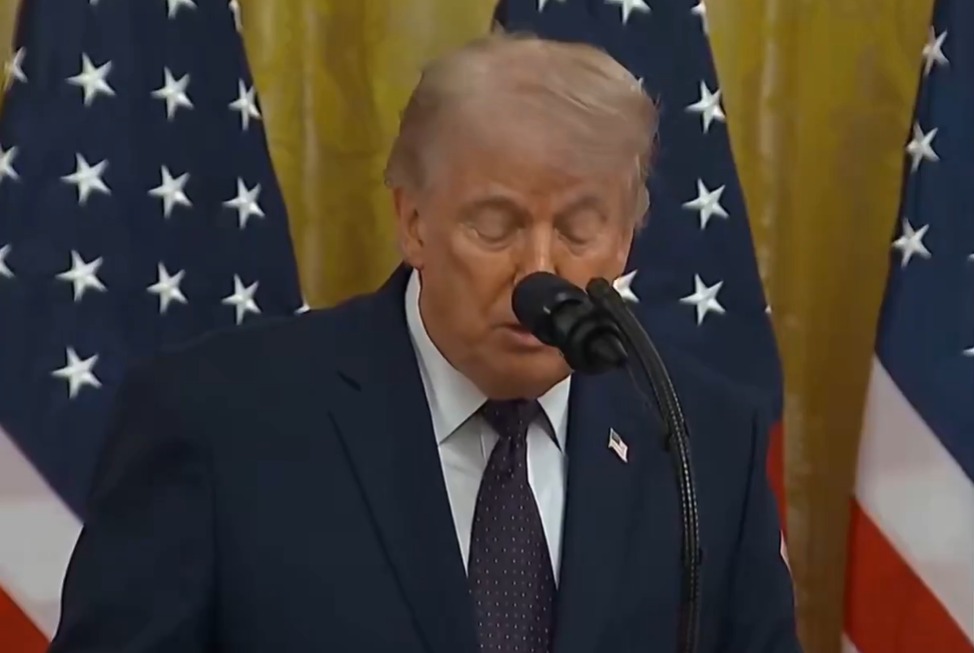
The USTR proposal will be open for public comment until July 6, 2026, with public hearings scheduled for July 7. There is no set date for the surcharges to come into force, and the final decision will be up to President Donald Trump.
The action is part of the tariff escalation promoted by the White House, after the visit of Flávio Bolsonaro, who uses allegations of human rights and unfair competition as a pretext for broad economic protectionism.
Source: vermelho.org.br