Published 04/16/2026 17:42 | Edited 04/16/2026 18:04
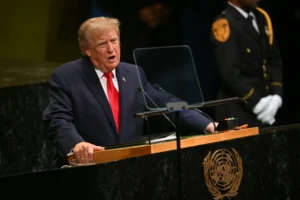
The President of the United States, Donald Trump, announced this Thursday (16), through his social networks, the establishment of a temporary ten-day ceasefire between Israel and Lebanon. The measure, scheduled to begin at 5pm (Brasília time), was presented as a preliminary step towards long-term negotiations.
Trump said he had held direct talks with Prime Minister Benjamin Netanyahu and Lebanese President Joseph Aoun, signaling the first high-level contact between the nations in decades, albeit without an in-person meeting. Oversight of the truce will be the responsibility of Vice President JD Vance and Secretary of State Marco Rubio.
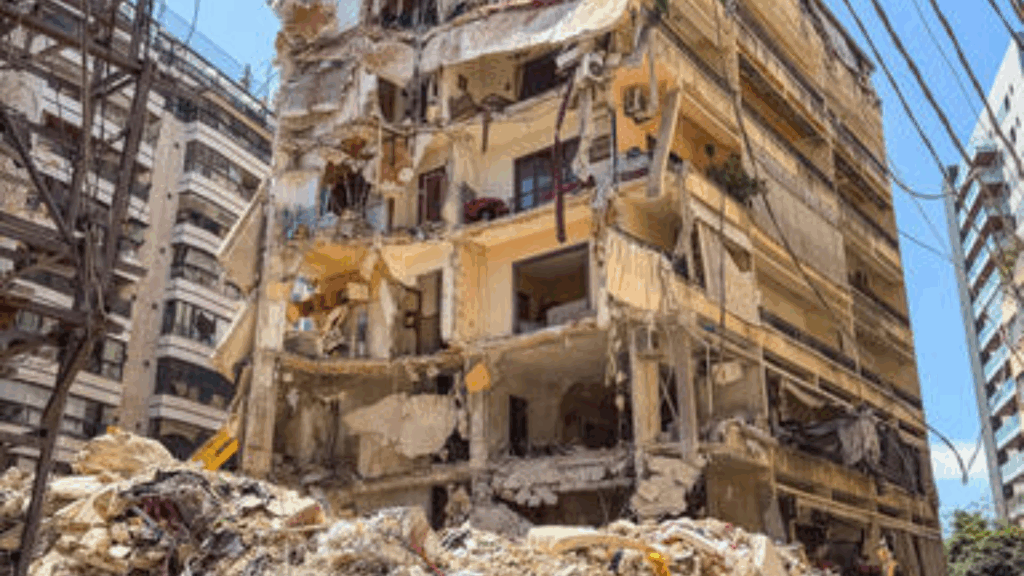
The Lebanese government, formally represented by Joseph Aoun and endorsed by Prime Minister Nawaf Salam, was in favor of the suspension of hostilities. Beirut prioritizes the return of more than 1 million internally displaced people and the recovery of national sovereignty over the south of the country, devastated by bombings that have left more than 2,000 people dead since March 2026. Despite agreeing to Trump’s plan, the Lebanese government reiterates that there was no direct recognition of Israel, maintaining the dialogue mediated by Washington.
Israel’s expansionist threat
In Tel Aviv, the reception of the agreement is accompanied by the maintenance of military and territorial objectives. The Israeli government stated that the “decompression” on the border does not imply the immediate withdrawal of troops positioned on Lebanese soil. Benjamin Netanyahu reinforced that the strategy remains focused on dismantling Hezbollah, using the premise of “peace through strength”. At the same time, Finance Minister Bezalel Smotrich and Defense Minister Israel Katz have openly declared their interest in establishing the Litani River as the new line of Israeli control, suggesting the creation of a security zone that would include the demolition of homes and the demographic change of the region.
The international community observes with reserve the viability of the truce in the face of these expansionist intentions. Human rights organizations and the United Nations warn of the risk of ethnic cleansing, citing pressure on local communities to expel Shiite populations. The Lebanese Ministry of Foreign Affairs classified Israeli intentions regarding the Litani River as a flagrant violation of UN Security Council Resolution 1701, which values the country’s territorial integrity. In response to demographic maneuvers, the UN High Commissioner for Human Rights emphasized that the forced displacement of populations based on religious or sectarian criteria constitutes a war crime.
The effectiveness of the ceasefire still faces skepticism from Hezbollah. Leader Wafiq Safa told the Associated Press that the group does not consider itself bound by terms negotiated without its direct participation, which keeps the risk of the truce’s collapse high. While Trump seeks to consolidate the announcement as a personal diplomatic triumph before a possible meeting in Washington, the scenario on the ground points to a fragile peace, pressured by the presence of foreign troops and the territorial reconfiguration project in southern Lebanon.
Source: vermelho.org.br