Published 04/29/2026 17:06 | Edited 04/29/2026 17:28
Donald Trump’s government ends April 2026 with the worst popularity indicators of his second term. According to data consolidated by the aggregator Nate Silver Bulletin and Reuters/Ipsos polls released this week, disapproval of the president reached a historic mark of 62%, while approval stagnated at 36%. The numbers reflect the wear and tear accumulated by the military intervention in Iran and the persistent inflation that erodes the purchasing power of the middle class.
War and diplomatic isolation
The conduct of the conflict against Iran, which is now seven weeks old, is the main driver of rejection between independents and moderates. Only 33% of Americans approve of Washington’s military strategy. The impact is felt directly at gas stations, with the price per gallon set at US$4. In addition to the economy, the president’s temperament has been questioned after public attacks on Pope Leo XIV, the first North American pontiff, whom Trump classified, on his social network, as “weak against crime and terrible for foreign policy”.
In the domestic economy, the scenario is one of skepticism. Although the government extols record highs in the stock market, 76% of the population disapproves of cost-of-living management. Only one in four Americans believes that current policies are effective against inflation — a figure that has fallen from 44% at the beginning of the term to 27% in the most recent measurements.
Resistance Agenda: “No Kings” Movement
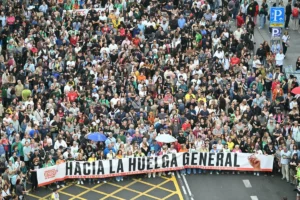
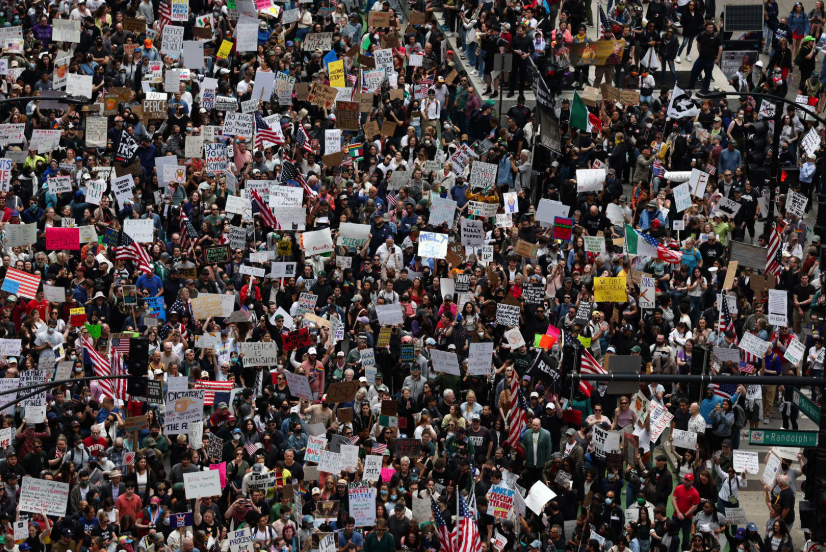
The popular “No Kings” movement has consolidated itself as the main opposition force on the streets. After the historic day of March 28, which brought together almost 9 million people, the organization continues its grassroots mobilization. On its official website, the movement states that “Trump wants to govern us like a tyrant”, highlighting that power belongs to the people and not to “aspiring kings or their billionaire cronies”. The coalition’s central message is straightforward: “In America, we have no kings.”
The future agenda confirmed by the national coalition includes:
- Friday (30th April): Regional review and strategic planning meetings in all states.
- May 2026: Start of the “Liberty Road” caravans, which will travel through the industrial belt (Rust Belt) denouncing the impact of the war on the economy.
- July 4, 2026: Great national mobilization for the 250th anniversary of Independence, aiming to confront the “monarchical drift” of the Executive.
Official reactions and republican fissures
Faced with the numbers, President Trump reacted with a strategy of delegitimization, classifying the surveys as “fake research from fake news organizations” and suggesting that those responsible should be “investigated for electoral fraud”. The White House downplayed the protests with a short official note, stating that it “does not think about the protests at all.”
Trump also mocked the “king” label used by the protesters, declaring that, if he were in fact a king, he would be doing much more, and reinforced: “I’m not a king. I work my butt off to make our country great.” In Congress, the opposition toughened its tone. Senate Minority Leader Chuck Schumer called the 62% rejection a verdict on Trump’s failure to deliver results, citing “unnecessary war and runaway inflation.”
The wear and tear is beginning to open fissures in the Republican Party itself. Senator Susan Collins warned that, with such a level of rejection, “the entire party feels the weight”, defending concrete results to avoid losing the majority in Congress. Representative Brian Fitzpatrick was more emphatic in pointing out that independents are abandoning the government, which could turn the November elections into a referendum against the president.
Despite the criticism, the White House remains focused on the financial discourse, reiterating that the stock market has set 52 all-time records and that means 401(k) retirement plans “have done great.” With the midterm elections just six months away, in addition to Iran, Trump has the tough challenge of reversing his pessimism. 72% of voters who believe the country is on the wrong path.
Source: vermelho.org.br