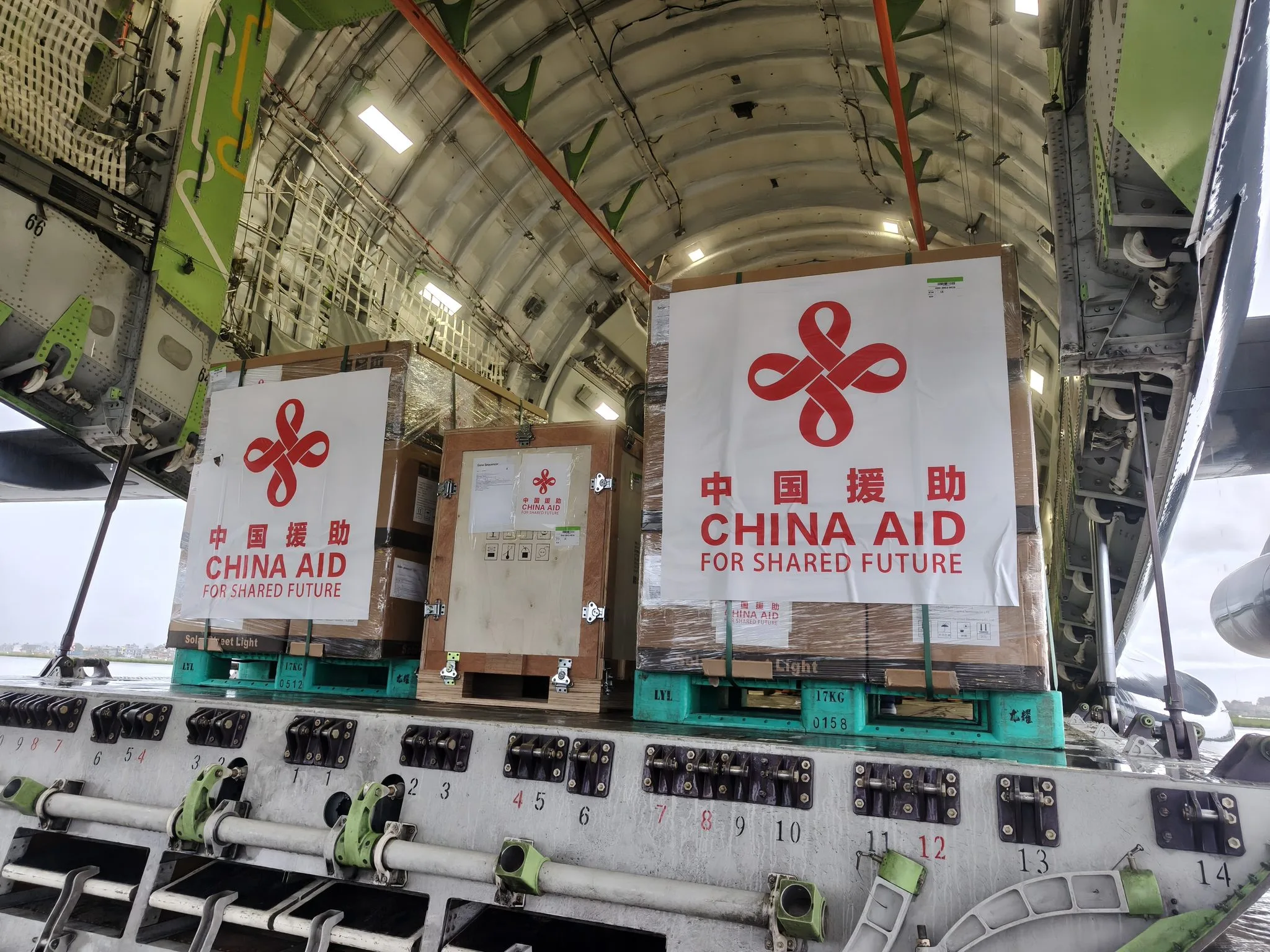
China sent this Thursday (3) the third batch of emergency aid to Nepal after landslides and floods hit the border between the two countries on August 26. The shipment arrived in Kathmandu aboard a Y-20 plane and includes tents, blankets, body preservation equipment, medical protective clothing and satellite communications equipment.
On the same flight, a new group of Chinese DNA identification experts traveled to the country to support Nepali authorities in identifying the victims.
The day before, Chinese Foreign Ministry spokesman Guo Jiakun had reported that the third batch was being prepared “based on Nepal’s request”. The items included Bailey bridges, mortuary refrigerators, epidemic prevention materials and emergency communications equipment, as well as DNA identification specialists.
Guo said, “China will continue to provide emergency assistance and carry out international search and rescue cooperation in line with Nepal’s needs.”
More than 55 tons of materials sent
The first shipment arrived in Nepal on August 30. Two Y-20 planes transported 50 tons of aid, distributed in 13,200 items, including tents, blankets, sleeping bags, emergency food and first aid kits. The operation also brought Chinese experts in tunnel rescue and equipment to search underground structures.
On September 1, another Y-20 took about 5.8 tons of equipment. The cargo included drones, instruments and reagents for DNA identification, water purification systems and lighting equipment. Five Chinese experts in genetic identification traveled on the same plane.
Combined, the first two batches represent 55.8 tons of materials. The weight of the third shipment has not yet been released.
Assistance also includes financial resources. Beijing announced US$2 million in emergency aid to the Nepali government. The Chinese Red Cross Society allocated another US$200,000 to the disaster relief fund. In total, it is US$2.2 million, around R$11.2 million.
Announcing the expansion of assistance, Guo Jiakun stated that “providing emergency assistance to the disaster-affected areas in Nepal and carrying out international rescue cooperation and humanitarian assistance is an important political decision by China and demonstrates our friendship with Nepal.”
Technical support and reconstruction
Chinese action is not limited to sending materials. Beijing shared images of the affected areas, satellite data and hydrological information with Nepal, including data on the risks associated with lakes dammed after the landslides.
The China Meteorological Administration began providing weather monitoring, forecasts and warnings to Nepal. The two countries also held technical consultations via video conference and shared information to support emergency operations. China also made available a personalized version of the MAZU meteorological system, based on artificial intelligence and integrated with data from Fengyun satellites and terrestrial observations.
On the Chinese side of the border, in the Gyirong region, emergency operations continue. More than 2,300 professionals participate in the work, supported by more than 400 search and rescue vehicles and more than 8,000 specialized equipment. The teams carried out more than 800 drone flights and 24 helicopter operations.
Chinese authorities also reported that 5.43 tons of materials and equipment were dropped by air in isolated areas. Twelve telecommunications stations were restored, and the G216 highway, the main land access to the port of Gyirong, was practically restored on September 2. The reopening allows the entry of heavy machinery and the advancement of operations.
Source: www.brasildefato.com.br