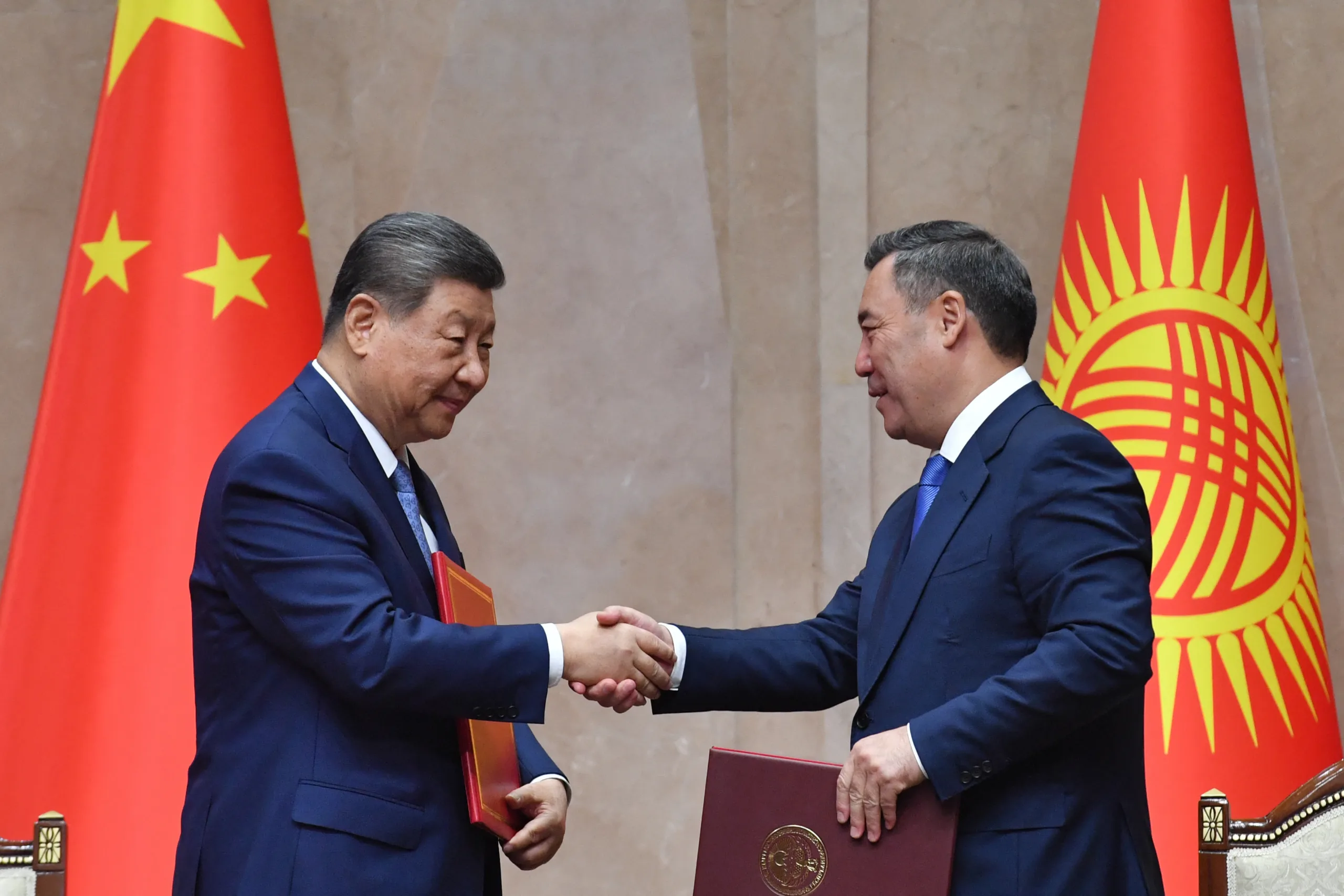
Chinese President Xi Jinping announced that China will create an international artificial intelligence cooperation center with the countries of the Shanghai Cooperation Organization (SCO) and create 100 technological cooperation projects with the organization’s members over the next three years.
The announcement was made this Tuesday (1st) during the organization’s summit in Bishkek, capital of Kyrgyzstan. This is the 26th Meeting of the SCO Council of Heads of State and marks the 25th anniversary of the organization, made up of ten full members: Belarus, China, India, Iran, Kazakhstan, Kyrgyzstan, Pakistan, Russia, Tajikistan and Uzbekistan.
In his speech, Xi also announced that China will increase the installed solar energy capacity of member countries by 10 million kilowatts and another 10 million in wind energy, in addition to creating a China-OCX port economy cooperation center in Tianjin and a basic education cooperation center with the organization’s members.
The Chinese president invited interested countries to participate in the “Big Market for All: Exporting to China” series, aimed at expanding access to the Chinese domestic market for SCO partners.
Central Corridor
China has advocated improving the Trans-Caspian International Transport Corridor, a route of about 11,000 kilometers that connects China to Europe via Kazakhstan, the Caspian Sea, Azerbaijan and Turkey, combining railways, highways and sea crossings.
In 2025, around 4.1 million tons of cargo passed through the corridor. Container traffic grew 36% compared to the previous year, reaching around 77 thousand TEUs (units equivalent to a twenty-foot container).
Seven years ago, the route handled around 800 thousand tons per year. According to Kazakhstan’s Ministry of Transport, transit time along the corridor fell from 28 to 32 days to 13 to 17 days, both due to improved infrastructure and simplified customs procedures.
Four security centers
The OCX was founded in 2001 primarily to combat what members called the “three evils”: terrorism, separatism and extremism. The scope of cooperation, 25 years later, is much broader. In Bishkek, Xi reiterated the organization’s commitment to fighting evils and called for speed in opening the four security centers approved at the Tianjin summit in 2025.
The four structures are: the Comprehensive Center for Combating Security Threats and Challenges, the Anti-Drug Center, the Information Security Center and the Center for Combating Transnational Organized Crime. Xi said they must strengthen member states’ ability to respond to threats in the region.
Xi also defended that the SCO should become the central platform of the Global Security Initiative, proposed by China in 2022, and reiterated the “rational, coordinated and balanced” concept of nuclear security. Four member countries are nuclear powers: China, India, Pakistan and Russia. The Chinese president called on members to prevent interference by “external forces” in the internal affairs of the organization’s countries.
Xi defended a “people-centered” approach to the SCO and advocated the building of cooperation networks between legislative bodies, political parties, educational institutions, research centers, companies and media in Member States.
In closing, Xi congratulated Pakistani Prime Minister Shehbaz Sharif, who assumes the presidency of the SCO Council of Heads of State.
Source: www.brasildefato.com.br