Published 03/06/2026 15:48 | Edited 06/03/2026 21:11
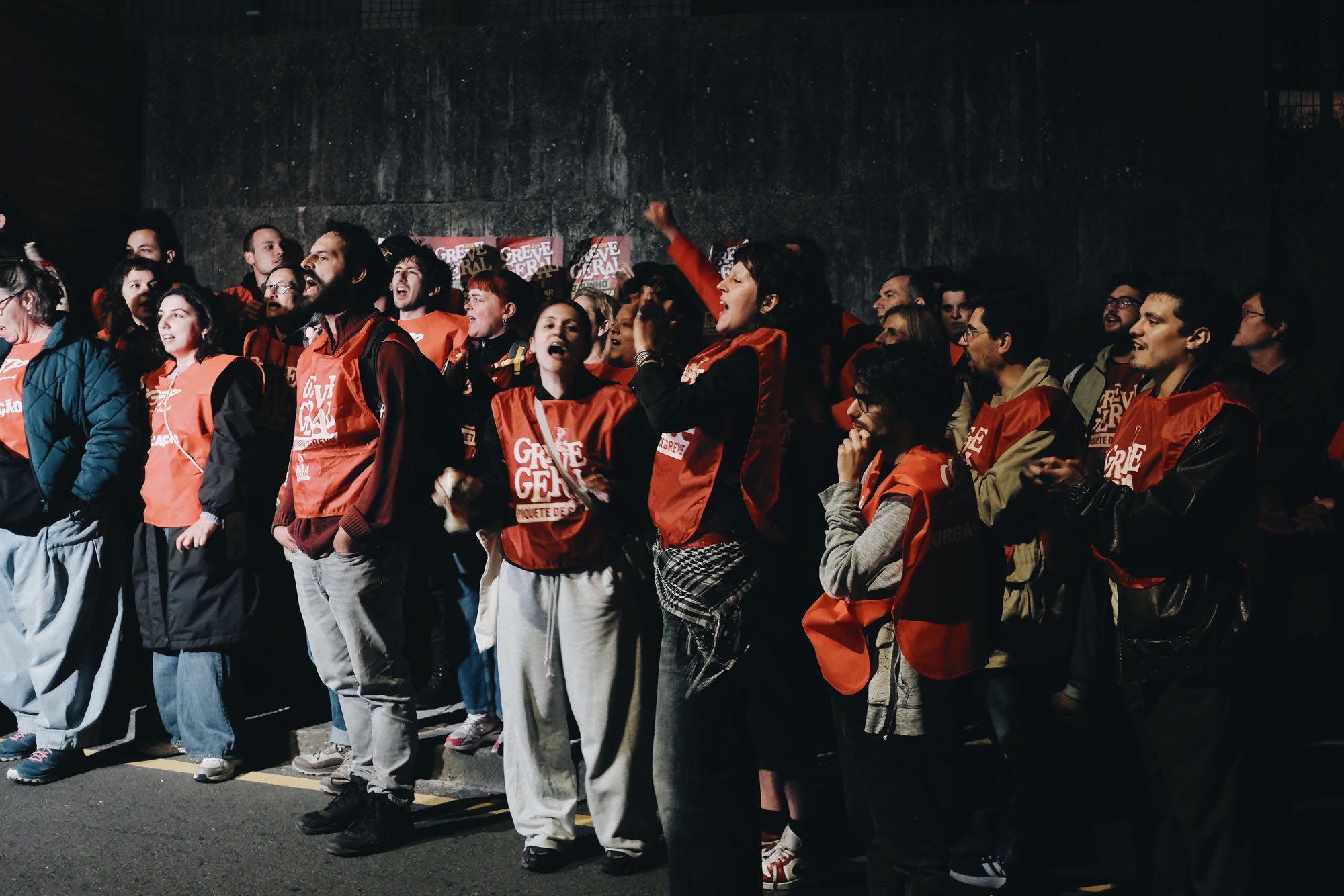
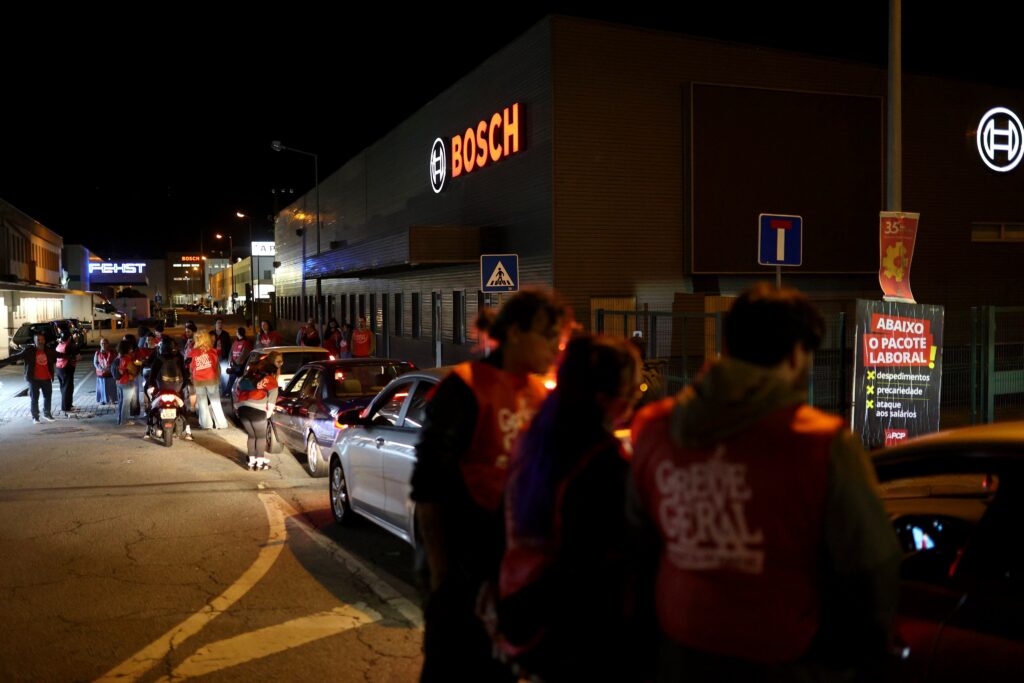
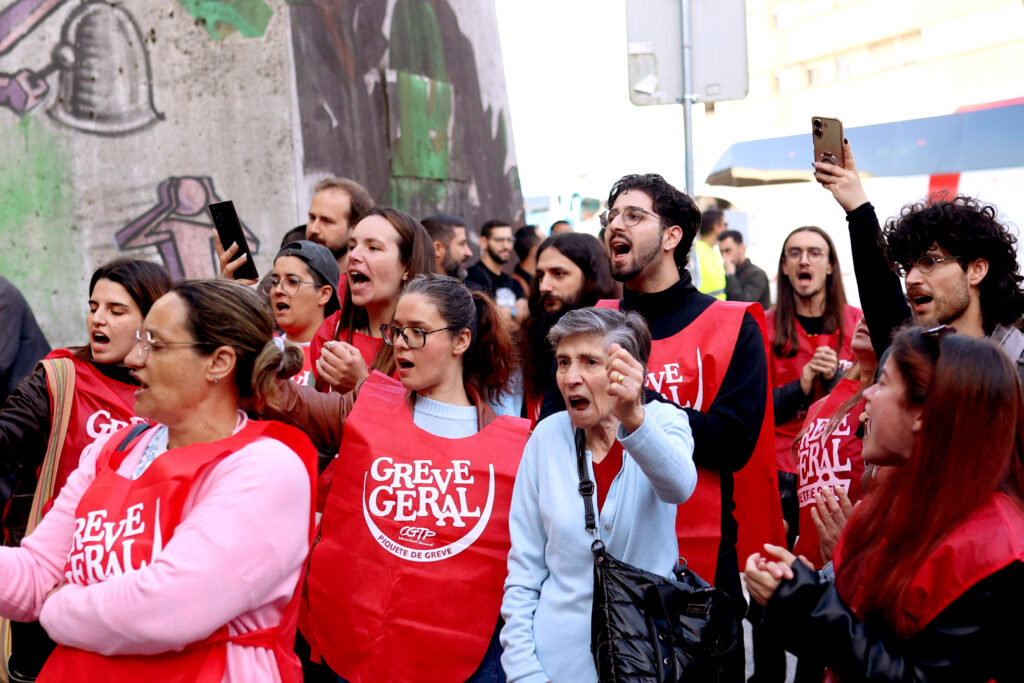
Portugal is experiencing one of the biggest labor mobilizations in recent years this Wednesday (3). Called by the General Confederation of Portuguese Workers (CGTP-IN), the general strike affects transport, hospitals, schools, public services, industries and airports, in protest against the package of labor reforms called “Work XXI”, proposed by the center-right government of Prime Minister Luís Montenegro.
The strike occurs on the eve of the parliamentary consideration of the project and is seen by trade union organizations as a decisive attempt to prevent changes that, according to them, increase the precariousness of work and weaken social achievements consolidated after the Carnation Revolution in 1974.
The mobilization gains historical relevance as it is only the 12th Portuguese general strike since the end of the Salazar dictatorship, highlighting the depth of the conflict between workers and the government. The general strike report points to significant support from workers, especially in the education, health, transport and public administration sectors.
Hundreds of schools, nurseries, kindergartens and educational establishments were closed in different regions of the country, while hospitals, health centers, financial services, social security, courts and public offices operated with only minimal services or suspended activities. The document also records strong participation in rail and urban transport, in addition to total adherence (100%) in several workplaces, demonstrating the national scope of the mobilization.
Although participation was stronger in the public sector than in the large private sector, the strike increased pressure on the Assembly of the Republic and reinforced social opposition to the proposed changes in the Portuguese Labor Code.
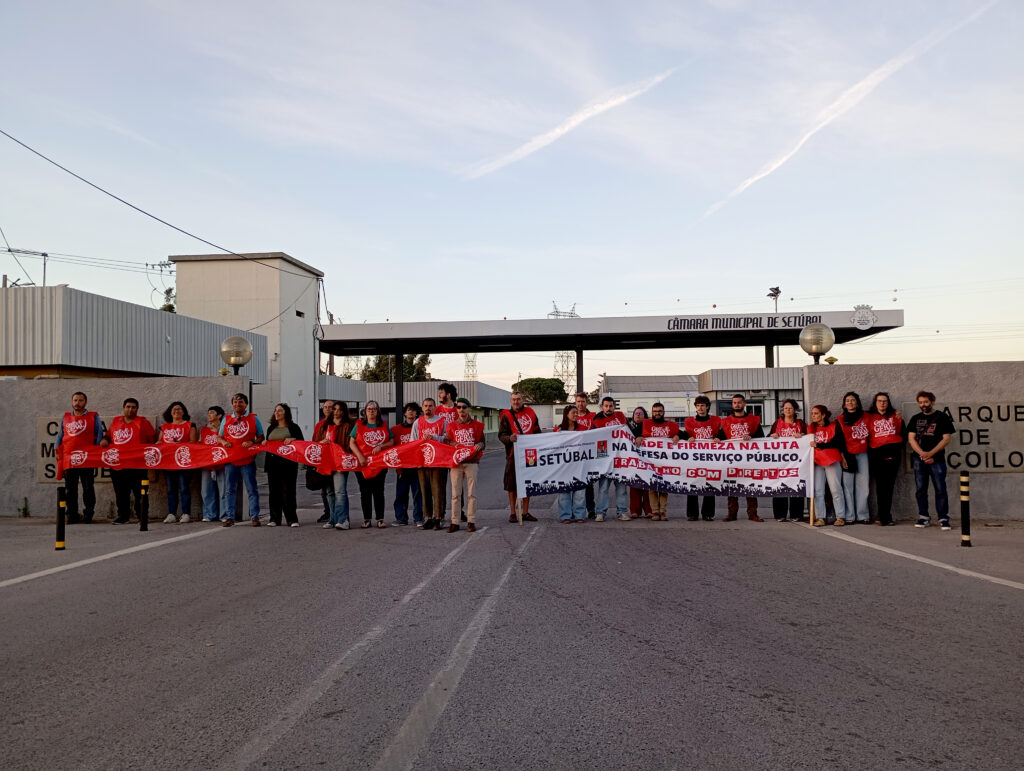
PCP and left reinforce support for mobilization
The Portuguese Communist Party (PCP) considers the general strike a milestone in resistance to the labor package and defends the parliamentary defeat of the proposal.
In statements and publications on social media, communist leaders state that the changes represent an affront to the constitutional principles that guarantee job stability, collective bargaining and worker protection.
The general secretary of the Portuguese Communist Party, Paulo Raimundo, classified the strike as one of the largest labor mobilizations in the recent history of Portugal and an unequivocal demonstration of the strength and unity of workers against the labor package of the government of Luís Montenegro. According to Raimundo, the strike expressed popular rejection of measures that, in the PCP’s view, deepen precariousness, facilitate dismissals, deregulate working hours, weaken collective bargaining and limit union rights and the right to strike. The leader also highlighted the strong participation of young people, women, immigrants and workers who had never joined a strike, in addition to the significant participation in sectors such as industry, transport, health, education, public administration, commerce, hotels and communications.
For the communist leader, the strike was not only a challenge to the so-called “Labor Package”, but also a broader demonstration against the increase in the cost of living, the housing crisis, the degradation of public services and social inequalities. Raimundo stated that the mobilization strengthens the fight to defeat the reforms proposed by the government and highlights the need for a change in political direction, based on increasing wages, combating precariousness, strengthening public services and defending the rights enshrined in the Portuguese Constitution. In the PCP’s assessment, the strike represents a sign of hope and confidence in the workers’ ability to influence the political process and build a fairer, more developed and sovereign Portugal.
The Left Bloc also participated in pickets and demonstrations, arguing that the reform will increase precariousness, especially among young people.
Transport, schools and hospitals feel the effects of the strike
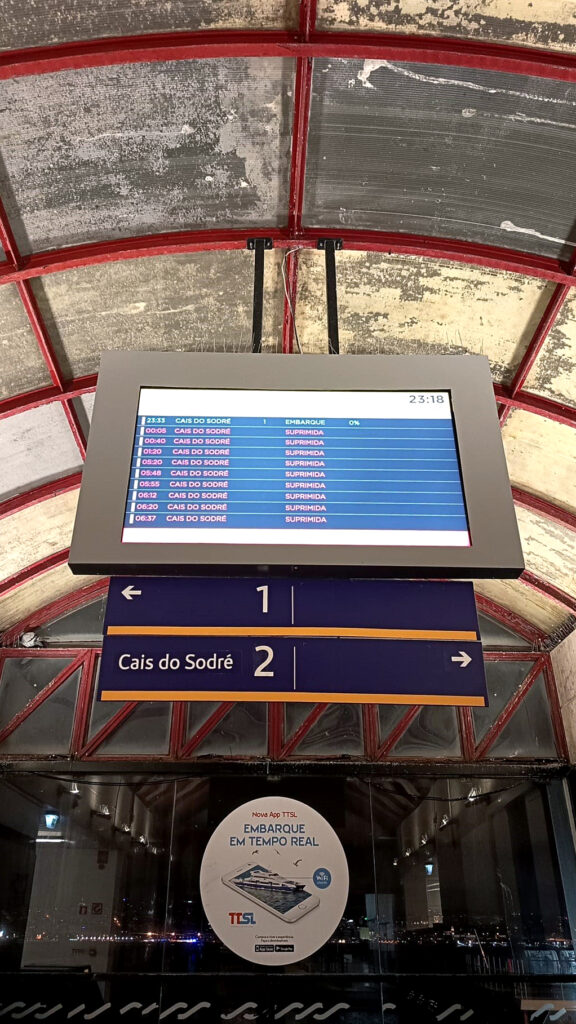
The impacts of the strike were felt from the early hours of the day. The Lisbon Metropolitan and Porto Metro suspended operations, while CP (Comboios de Portugal) canceled several train connections.
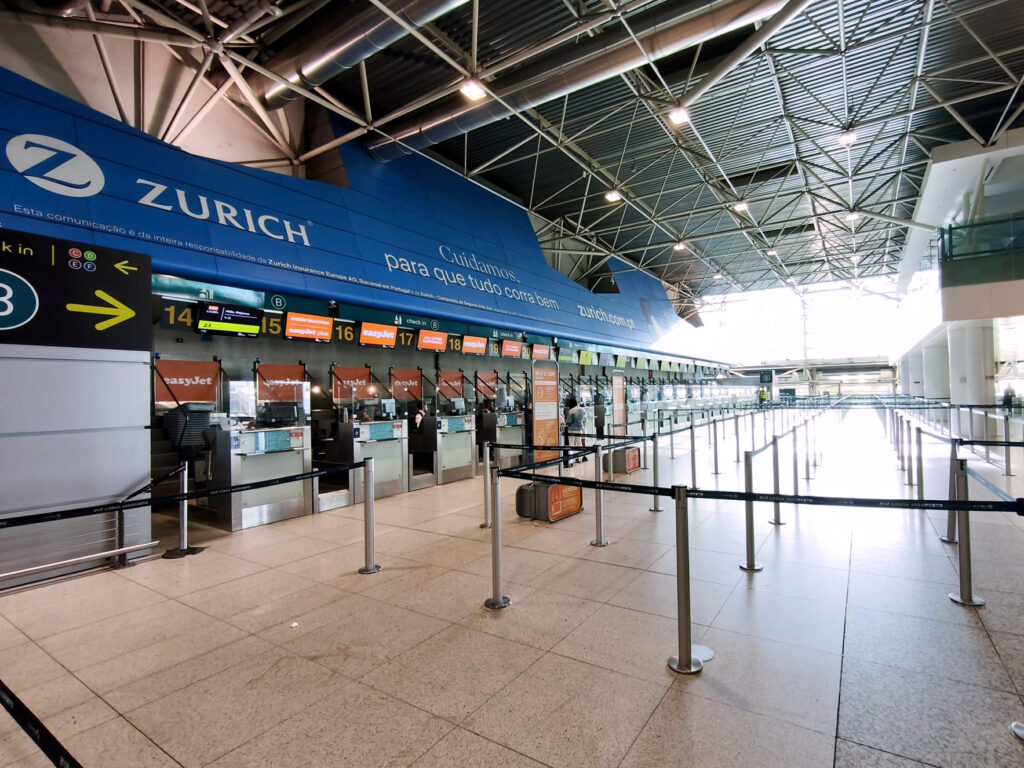
At airports, hundreds of flights were canceled or delayed, including routes between Brazil and Portugal operated by TAP, Azul and Latam.
In healthcare, hospitals only operate with minimal services. Scheduled consultations, exams and surgeries were postponed due to the strong support of doctors, nurses and other professionals in the sector.
In education, unions report that thousands of teachers and employees joined the strike, leading to the closure of most public schools in the last week before the summer holidays.
For CGTP-IN, the scope of the strike demonstrates that the protest goes beyond specific categories and reflects widespread discontent with the direction of the proposed reforms.
Unions denounce attack on collective bargaining
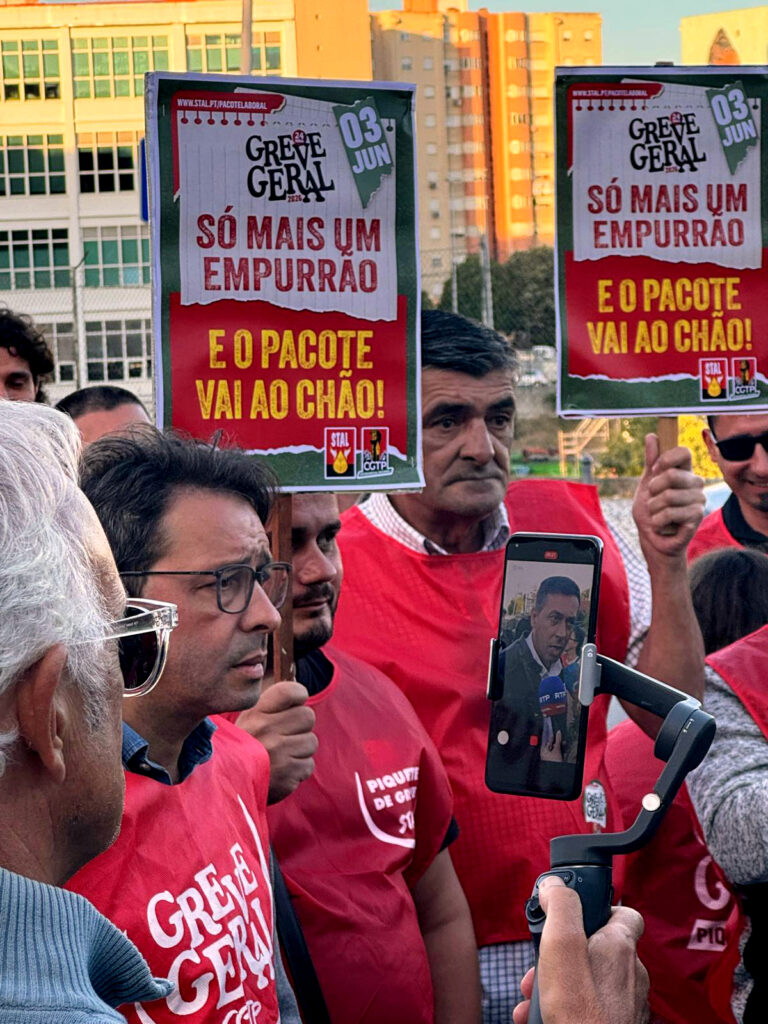
According to the general secretary of CGTP-IN, Tiago Oliveira, the government package represents one of the most profound changes to the Portuguese Labor Code in decades.
The unions point out as the main problems the return of the individual time bank, the expansion of temporary contracts, the flexibility of outsourcing and the facilitation of dismissals.
In the assessment of the trade unions, the set of measures transfers the costs of business competitiveness to workers.
The Transport Federation (Fectrans), health unions and entities representing commerce claim that the proposal weakens collective bargaining by privileging individual agreements between employee and employer, reducing workers’ ability to organize.
For union leaders, the predominant logic of the reform is to increase companies’ flexibility without offering equivalent guarantees of social protection.
What changes in the Labor Code
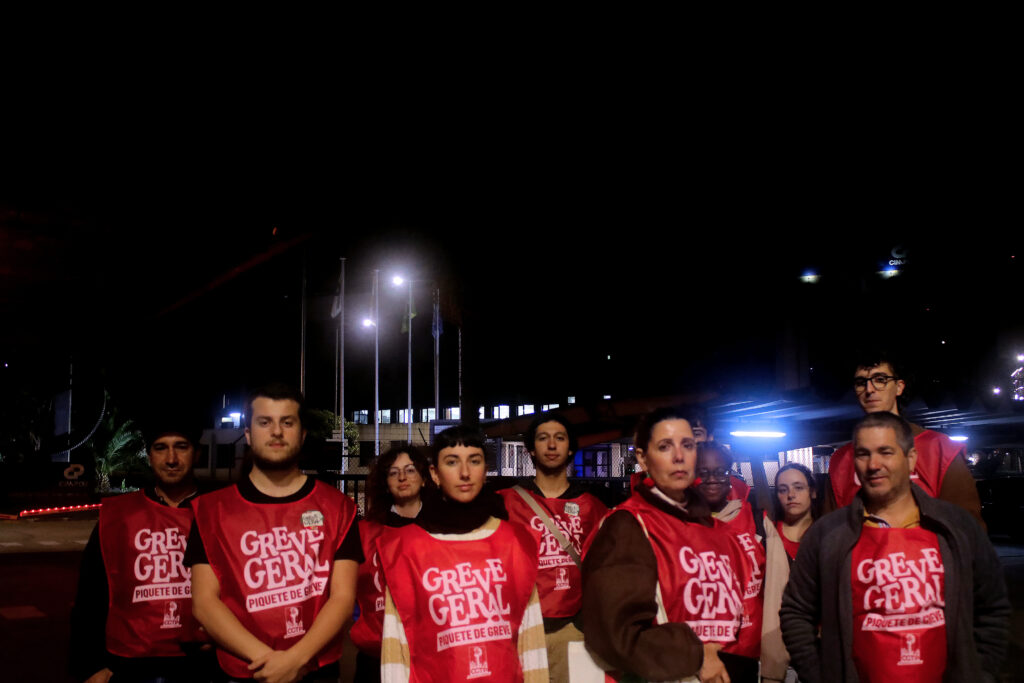
Among the most contested points is the return of the individual time bank, a mechanism that allows working hours of up to 50 hours per week through direct agreement between worker and company.
Unions argue that, in contexts of unemployment or economic instability, workers’ freedom of choice becomes relative, favoring employer pressure.
Another controversial change extends the maximum duration of fixed-term contracts from two to three years and uncertain-term contracts from four to five years.
For CGTP-IN, the measure institutionalizes precariousness, especially among young people entering the job market.
The proposal also reduces restrictions on outsourcing after collective layoffs, allowing companies to outsource functions previously performed by laid-off workers.
Regarding dismissal rules, the project authorizes companies of any size to replace the reinstatement of illegally dismissed workers with the payment of compensation, even after a court decision in favor of the employee.
Government talks about modernization; workers see setback
Luís Montenegro’s government maintains that Portugal has one of the strictest labor laws in the Organization for Economic Cooperation and Development (OECD) and that changes are necessary to increase productivity, attract investment and modernize the economy.
The Minister of Labor, Maria do Rosário Ramalho, minimized the effects of the strike.
For unions, however, the discourse of modernization hides a process of flexibility similar to that implemented in several European countries in recent decades, often accompanied by increased job insecurity.
The National Federation of Doctors warned that the reform could pave the way for longer working hours, weaker ties and less capacity for union intervention in the workplace.
More than a strike, a dispute over the future of work
For the Portuguese trade union movement, this Wednesday’s strike transcends the rejection of specific measures. This is a dispute over the development model that Portugal intends to follow.
While the government is betting on greater flexibility to boost economic competitiveness, unions argue that sustainable growth requires wage appreciation, job stability and strengthening collective bargaining.
The battle now moves to the Assembly of the Republic. But, regardless of the parliamentary result, the general strike already demonstrates that the debate on the future of labor relations has returned to the center of Brazilian political life and mobilizes broad sectors of society.
Source: vermelho.org.br