Published 01/10/2025 12:31 | Edited 01/10/2025 13:01
Israeli Prime Minister Binyamin Netanyahu returned from Washington promising that Israel’s defense forces will remain in most of the Gaza range, although he agreed to the White House with the peace plan announced by Donald Trump.
“Not at all, this will not happen,” he said, in counteracting the possibility of total withdrawal of the troops. The declaration, made on video for the Israeli public, exposed the pressure from the far right over the prime minister and generated criticism from allies within his own coalition.
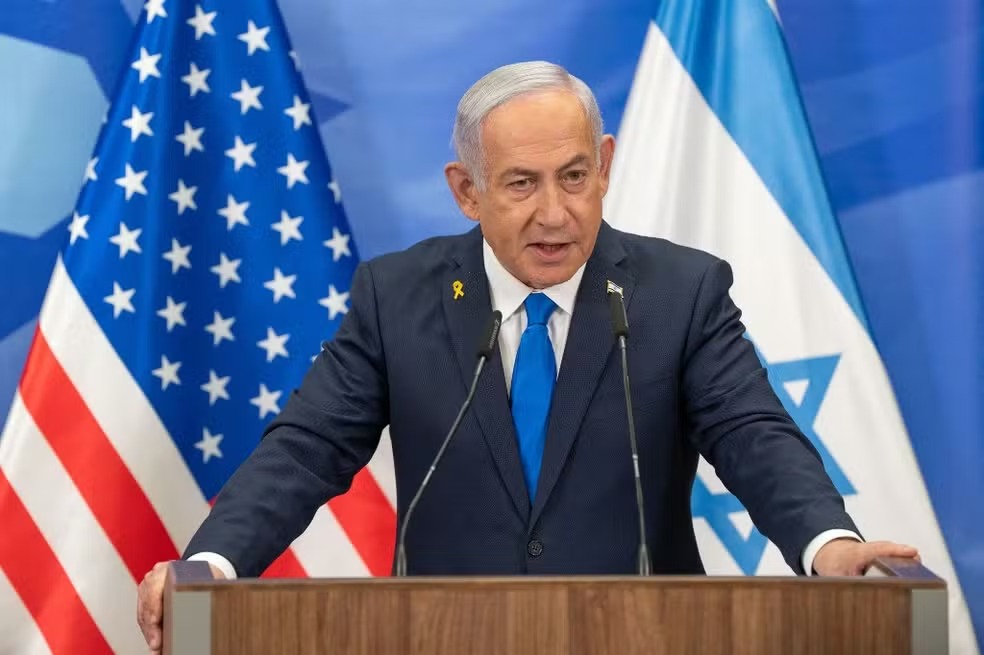
On Monday (29), Trump and Netanyahu presented the deal at a news conference in Washington.
The 20-point document provides for immediate ceasefire, release of all Israeli hostages within 72 hours and release of nearly 2,000 Palestinian prisoners.
It also establishes the amnesty for Hamas members who depress the weapons, the destruction of tunnels and weapons factories, and the creation of a Palestinian transition government under international supervision, chaired by Trump’s own council.
A few hours later, back to Israel, Netanyahu said in Hebrew that he will not accept the creation of a Palestinian state and that the withdrawal of the troops will not occur. He also said that if Hamas rejects the proposal, Israel will have Washington coverage to “eliminate them.”
Tom’s change was interpreted as a radical message, which disputes the negotiation.
Finance Minister Bezalel Smotrich has classified the plan as “resounding diplomatic failure” and said it will “end in tears.” He and National Security Minister Itamar Ben-Gvir had already threatened to overthrow the government if the war were interrupted without the total defeat of Hamas.
Radicals also reject the presence of international Gaza stabilization forces and any future role for the Palestinian authority.
To avoid an immediate crisis, Netanyahu agreed with Trump that only hostage to prisoners would be vote in the security office, not the plan as a whole.
Hamas said he studied the proposal “with objectivity and positivity” after receiving it from mediators of Egypt and Qatar. Trump said the group has up to three days to answer and warned that if there is refusal, “it will be a very sad end.”
Despite the internal negative reaction, Arab and Western countries have been supporting the initiative. Palestinian authority, France, United Kingdom, Saudi Arabia, Jordan, United Arab Emirates, Egypt and Qatar declared support for ceasefire.
Israeli opposition leader Yair Lapid also endorsed the agreement, but said there are “holes” that can make room for the resumption of combat.
Source: vermelho.org.br