Published 03/08/2025 15:06 | Edited 04/08/2025 17:31
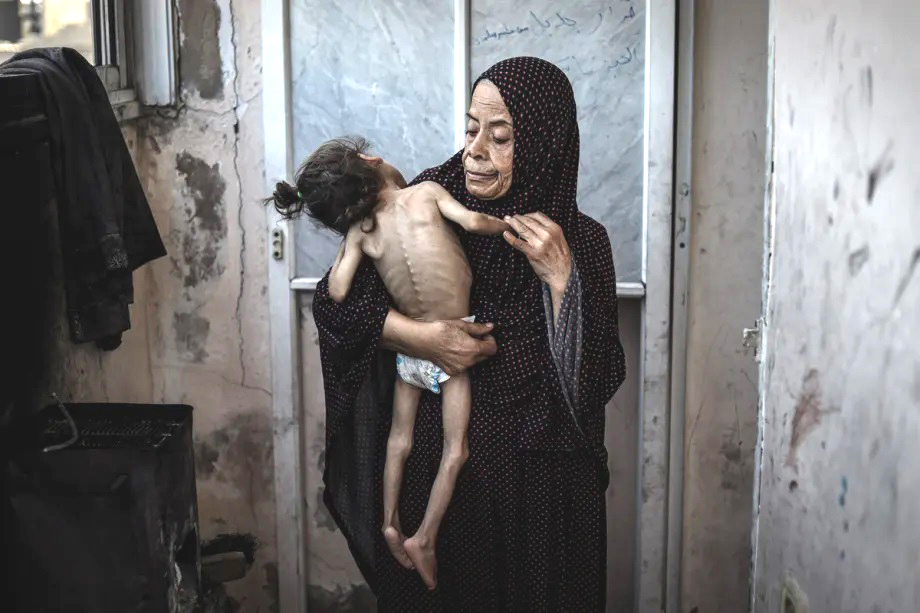
Genocide in Gaza perpetrated by Israel continues to advance and reaching, above all, children. According to UNICEF (United Nations Childhood Fund), Ted Chaiban, the pace in which Palestinian children are dying has no precedents.
“It is in Gaza where suffering is more acute and where children are dying at an unprecedented rate,” he says.
Grave observation only corroborates what all world leaders already know: the Israeli invasion of the Palestinian territories and the difficulty imposed on humanitarian aid has accelerated the number of deaths.
Chaiban participated in a press conference in New York, headquarters of the UN, after returning from a mission in Israel, Gaza Strip and West Bank.
Read more: Brazil suspends military exports to Israel in response to genocide in Gaza
In addition to asking the international community to create mechanisms that enable food and medication to enter, he pointed out that the high temperatures of those months have contributed to expand the outbreak of diseases, a situation that can get worse at any time. Added to difficulties with humanitarian aid, Palestinians face difficulties in accessing drinking water – which worsens everything.
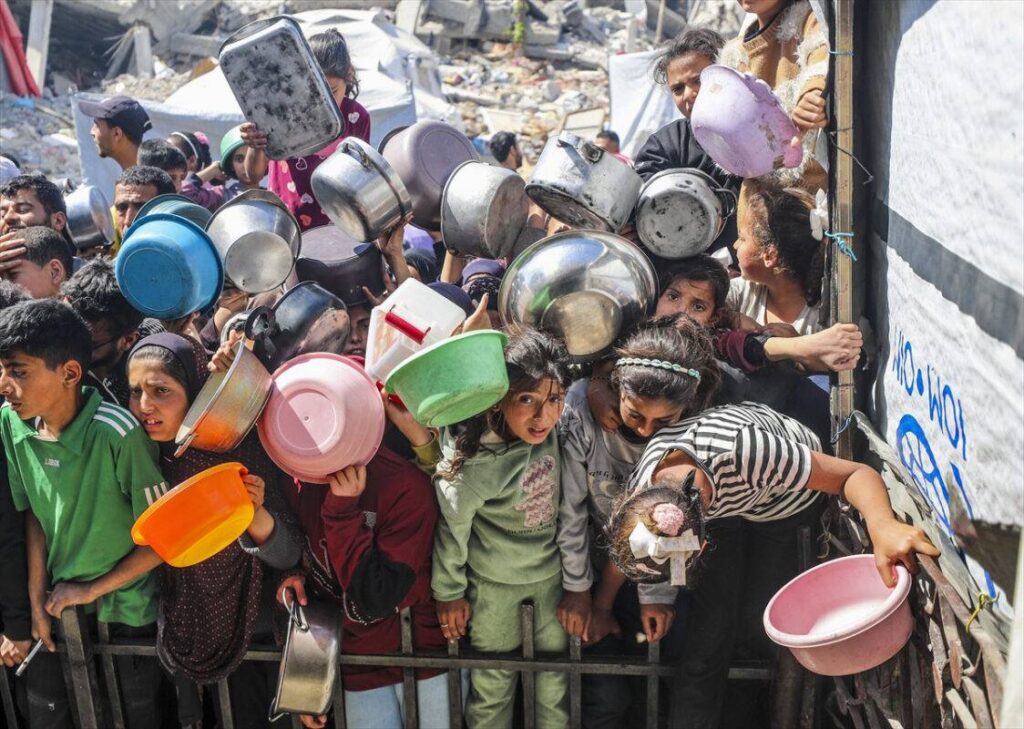
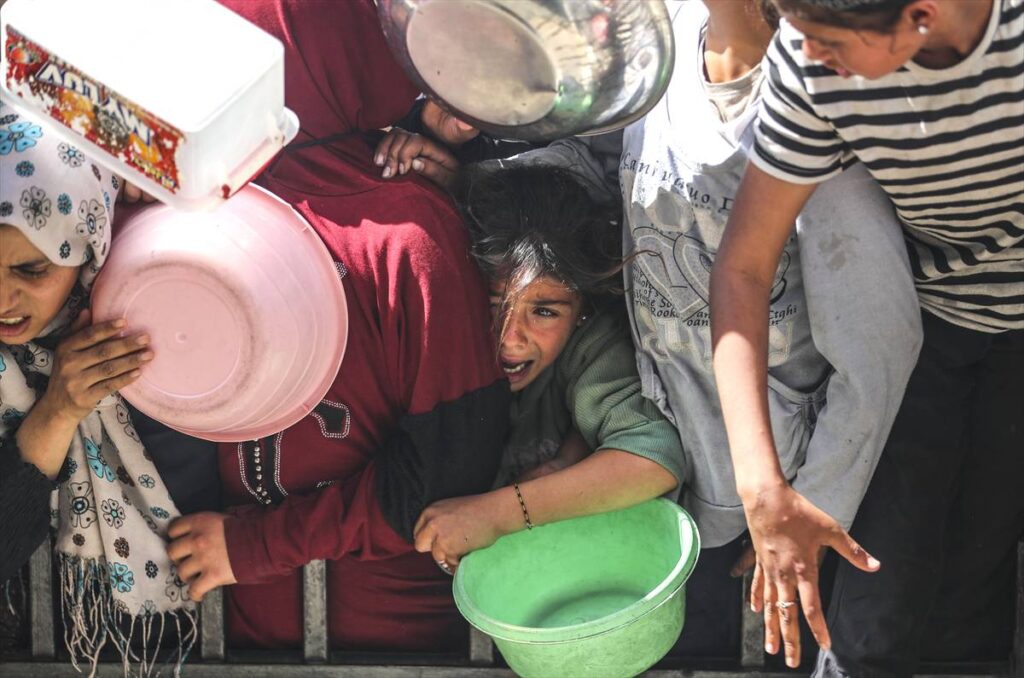
As pointed out, UNICEF has taken 2.4 million liters of water a day to the north of Gaza, reaching 600,000 children. However, it is not yet sufficient, just as the flexibility of humanitarian access does not realize the amount of Famelices that Israel maintains.
“We will continue to fight so that humanitarian breaks do not lead to more displacements, pressing the population to a smaller and smaller area.”
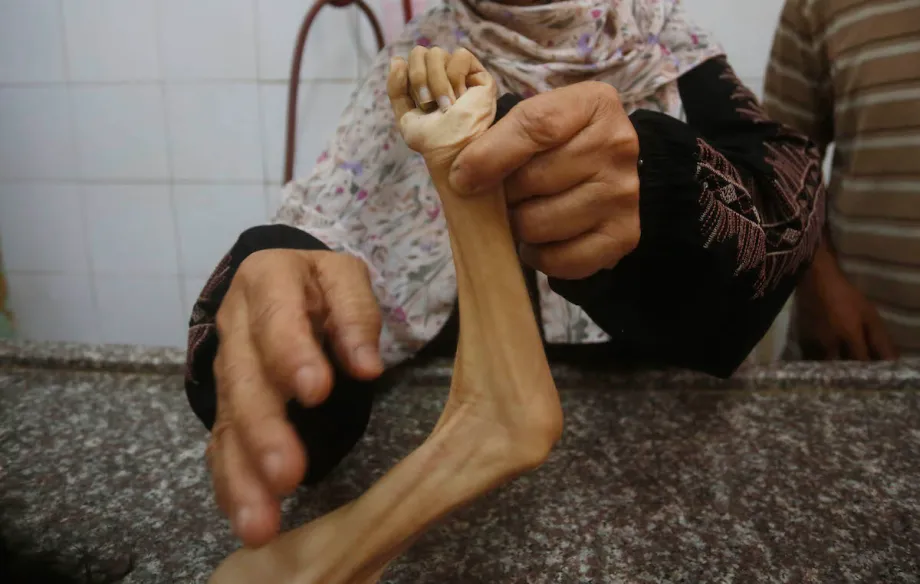
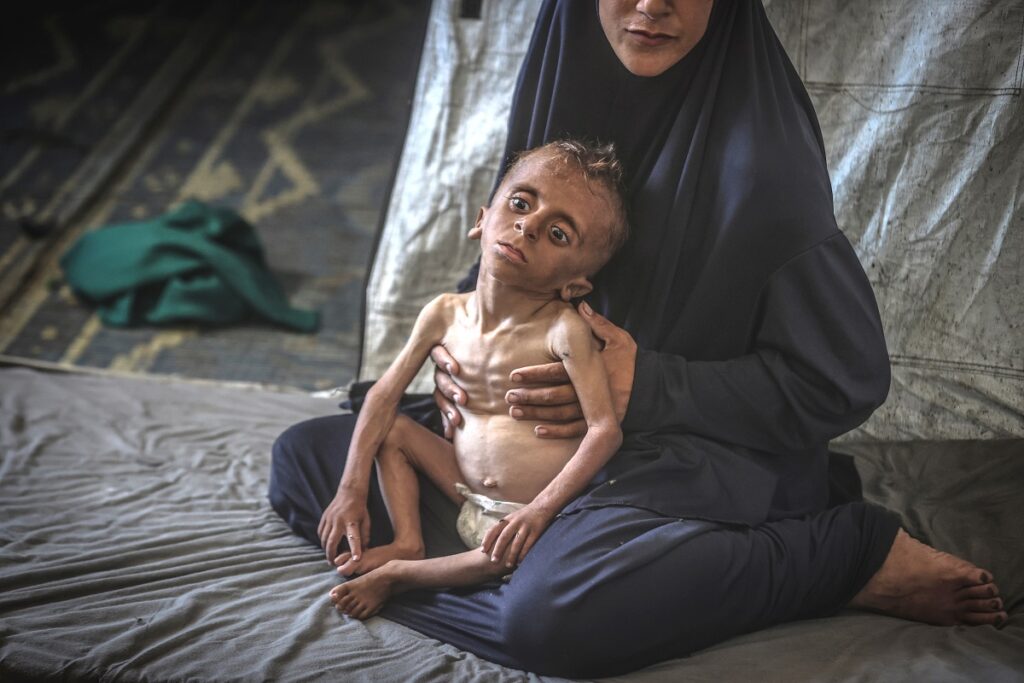
The deputy director indicates that 18,000 children have died in Gaza since the beginning of the war, an harmful average of 28 children a day, and warns: “Today, more than 320,000 young children are at risk of acute malnutrition.”
Read more: Brazil joins the process in The Hague against genocide by Israel
He also points out that one in three people in the Enclave has been without eating for days, which made the malnutrition indicator exceed the hunger threshold, reaching a level of acute malnutrition above 16.5%, considering the entire population.
“The next decisions will determine if tens of thousands of children will live or die. We know what should be done and what can be done. UN and non -governmental organizations that integrate the humanitarian community can face this,” Chaiban said.
In one of his visits, he was with the families of the 10 children killed and the 19 injured in an Israeli air strike. The victims were with their relatives in a queue to receive food at a nutritional clinic in Deir El-Balah.
“The children I have known are not victims of a natural disaster. They are starving, being bombarded and displaced,” concludes Chaiban.
Source: vermelho.org.br