The spokesman for the World Health Organization (WHO), Christian Lindmeier, said this Tuesday (6) that there are no signs of a wider outbreak in the case of the death of a laboratory employee in the Russian region of Irkutsk.
A laboratory technician at the Irkutsk Institute for Combating Plague, 28-year-old Daria Shipilova, died on the night of October 2. The Irkutsk regional government immediately convened an extraordinary meeting of the sanitary and anti-epidemic commission.
“All of the patient’s contacts have been identified and are being monitored for the disease and, to date, none of them have shown symptoms,” he said.
Russian authorities are still investigating whether pneumonic plague caused Shipilova’s death, but the WHO has assessed the health risk as “moderate to low” for Irkutsk, “low” for the rest of Russia and “very low” for Europe.
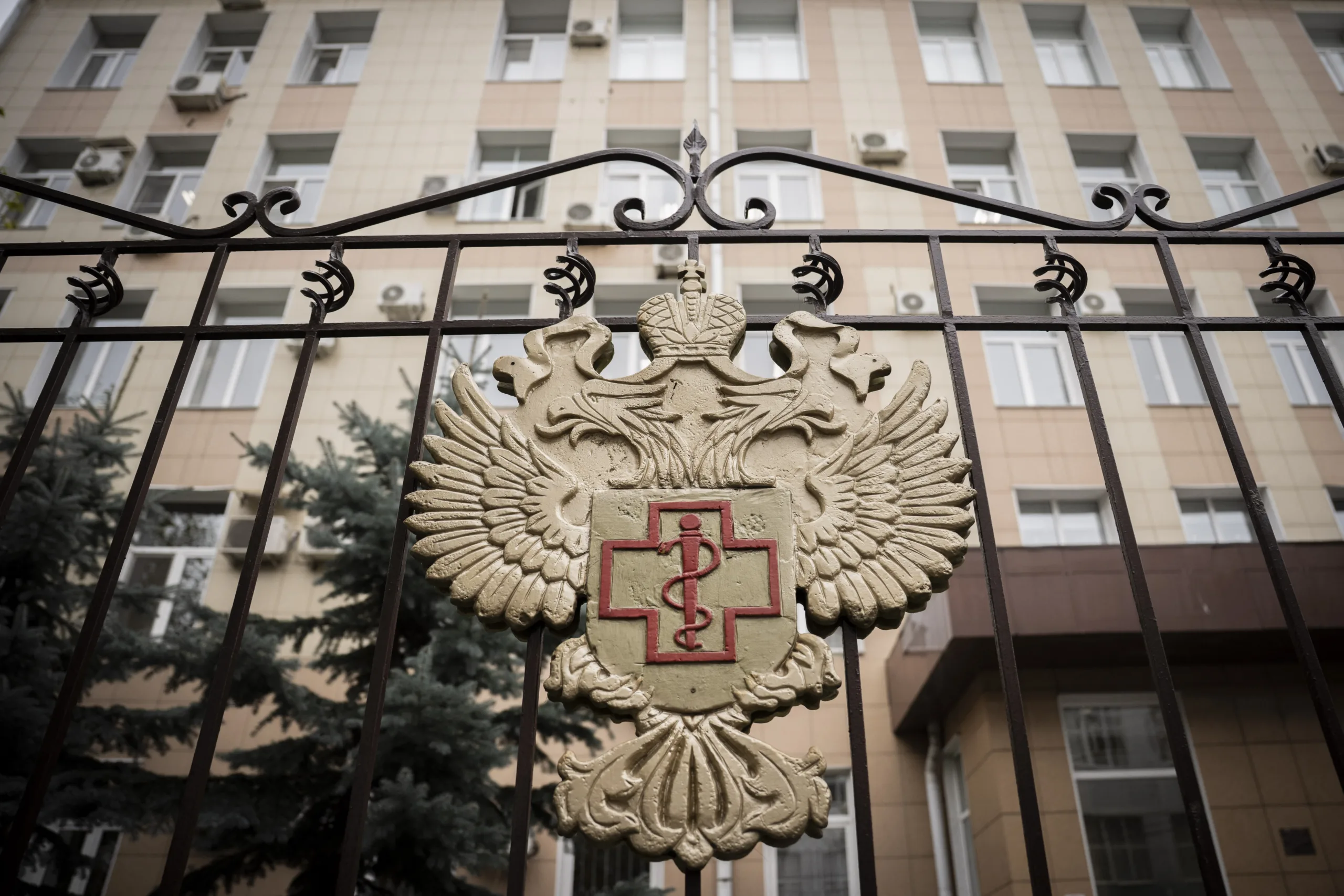
The Russian Federal Health Surveillance Service, Rospotrebnadzor, released, last Monday (5), official data on the employee’s cause of death. According to the results of medical examinations, Shipilova died of severe pneumonia of unknown cause. Experts emphasize that the specific microorganisms she worked with in the laboratory were not detected in her body.
This Tuesday, when commenting on the case, Russian presidential spokesman Dmitry Peskov asked journalists to rely on Rospotrebnadzor data on the infection situation involving Shipilova. According to the Kremlin spokesperson, new information will emerge as the work progresses, and said he did not know whether autopsies were carried out on the victim.
“I work in the Presidential Administration and I do not have the necessary information about the autopsies that were carried out. I repeat: rely on information from Rospotrebnadzor, which provides complete information,” Peskov said.
Rospotrebnadzor, in turn, announced this Tuesday that the information about the implementation of reinforced sanitary and epidemiological measures and strict restrictions in the Irkutsk region is false.
“A false message about the implementation of strengthened sanitary and epidemiological measures and strict restrictions in the Irkutsk region is circulating online. We inform you that this document and information are not based on official sources and are false,” the statement says.
Chronology of events
On September 25, the laboratory worker broke a test tube containing the pneumonic plague pathogen and soon began to feel unwell. An ambulance took her to the local hospital, where she remained for three days until she died on October 2.
On October 4, the country’s health surveillance agency reported that the sanitary and epidemiological situation in the Irkutsk region and the cities of Irkutsk and Shelekhov was stable. It was clarified that the deceased had been diagnosed with pneumonia of unknown etiology.
Extensive testing of the sample did not reveal any microorganisms related to his professional activities. Furthermore, it was reported that no cases of infectious diseases were recorded among the institute’s employees in the last ten days.
Earlier, the governor of the Irkutsk region Igor Kobzev stated that a number of anti-epidemic measures are being implemented and the situation is being closely monitored. The government of the Irkutsk region also held an extraordinary meeting of the regional commission for health and combating the epidemic.
Pneumonic plague is a serious and deadly form of plague caused by bacteria Yersinia pestis. The disease can be transmitted directly from person to person through the air. It progresses rapidly with an incubation period of one to three days. Without treatment, the mortality rate is almost 100%.
As a precautionary measure, part of Shelekhov Hospital was quarantined on October 1. Approximately 200 people were placed under medical observation, including institute staff, emergency doctors and other patients. Of these, 189 were temporarily isolated in hospitals.
During the monitoring period, no serious pathologies were detected in the contacts. Doctors recorded only isolated cases of seasonal infections: two tested positive for coronavirus and two others had rhinovirus (common cold) infection. No specific changes in health that would indicate particularly dangerous infections were detected.
Source: www.brasildefato.com.br