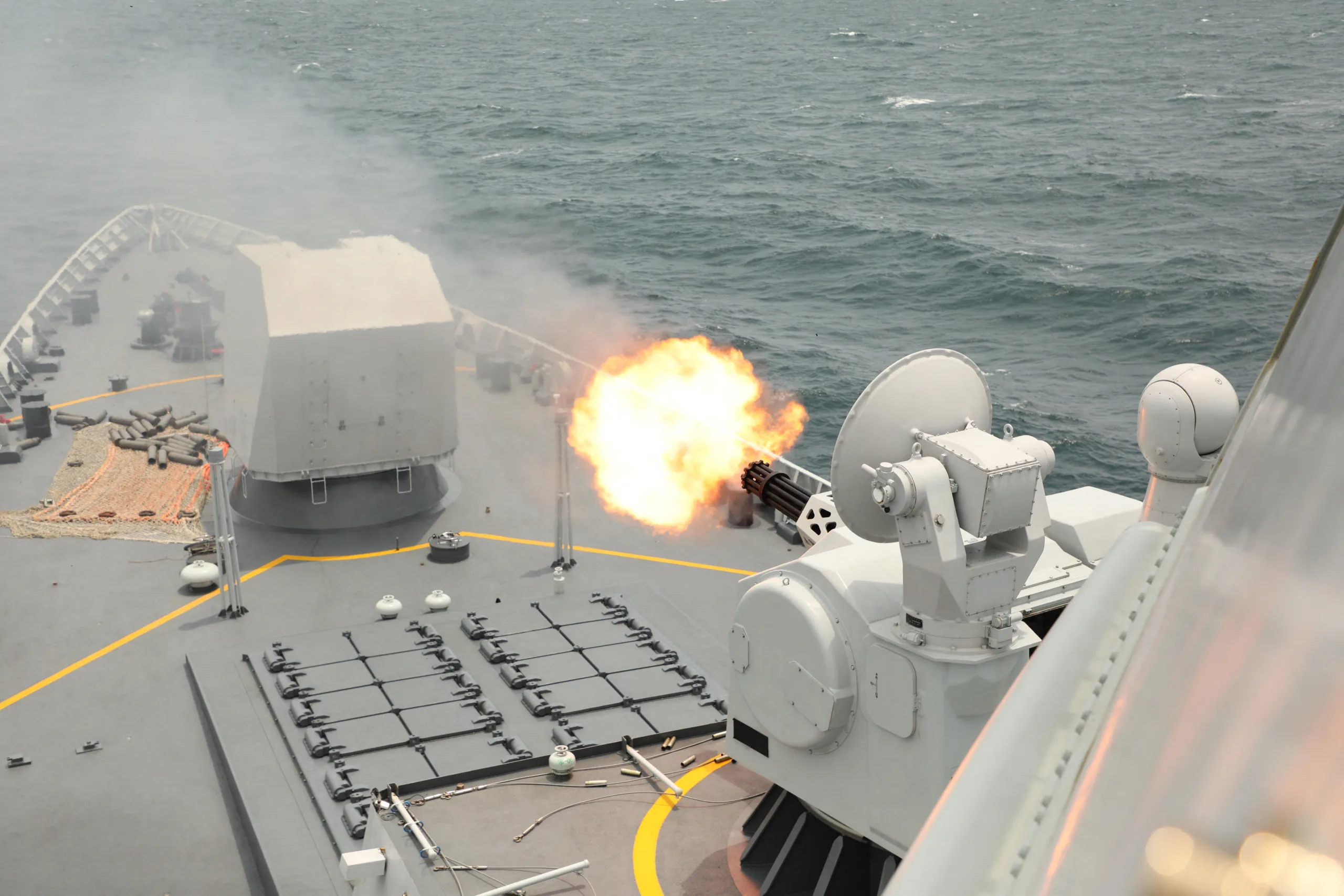
China and Russia concluded this Monday (13) the joint naval exercise “Joint Sea-2026”, which for the first time integrated surface, air and submarine operations by the two countries. After training, part of the fleet went on a joint patrol in the Pacific Ocean, the sixth carried out since 2021.
The series of naval exercises between China and Russia began in 2012. The 2026 edition, the 12th held by the two countries, began on July 6. The two navies mobilized ten vessels, including surface units, submarines, aircraft and support units, to improve their coordinated response capacity to maritime security risks.
According to the Chinese side, this year’s edition fully simulated real sea and air combat environments, deepened mutual strategic trust between the two Armed Forces and increased the capacity for joint response to crises at sea.
Exercise without a script
In the maritime part, eight surface ships and two submarines operated in double column formation and carried out training with real forces and ammunition. Training included disciplines such as joint reconnaissance, anti-aircraft and missile defense, attacks on surface targets, and submarine rescue.
Operations did not have a fixed itinerary. Commanders adjusted actions in real time, according to the tactical situation and sea and weather conditions, with forces from both countries organized in mixed groups that combined naval, air and submarine platforms.
For the first time in the series, the exercise featured submarines and submarine rescue ships. Russia employed the Ufa, while China mobilized a new generation model.
With this expansion, cooperation was no longer restricted to surface operations and began to encompass combat actions at sea, in the air and underwater.
Patrol in the Pacific
The patrol that began after the end of the exercise is the sixth carried out by China and Russia since 2021. The route should take the fleet beyond the so-called first island chain, which connects the Japanese archipelago, Taiwan and the Philippines. In United States military planning, this strip is considered a perimeter to contain Chinese naval projection.
In an interview with Chinese state media CMGmilitary observer Wei Dongxu explained that the joint fleet patrol imposes more complex situations than those of the exercise.
“When Chinese and Russian naval formations sail in the open sea beyond the first island chain, it cannot be ruled out that ships and aircraft from other countries will follow and harass, which also serves as a training opportunity,” he said.
For Wei, the Pacific stage allows the two navies to demonstrate defense and counterattack capabilities, as well as the willingness to act together for regional peace and stability.
Source: www.brasildefato.com.br