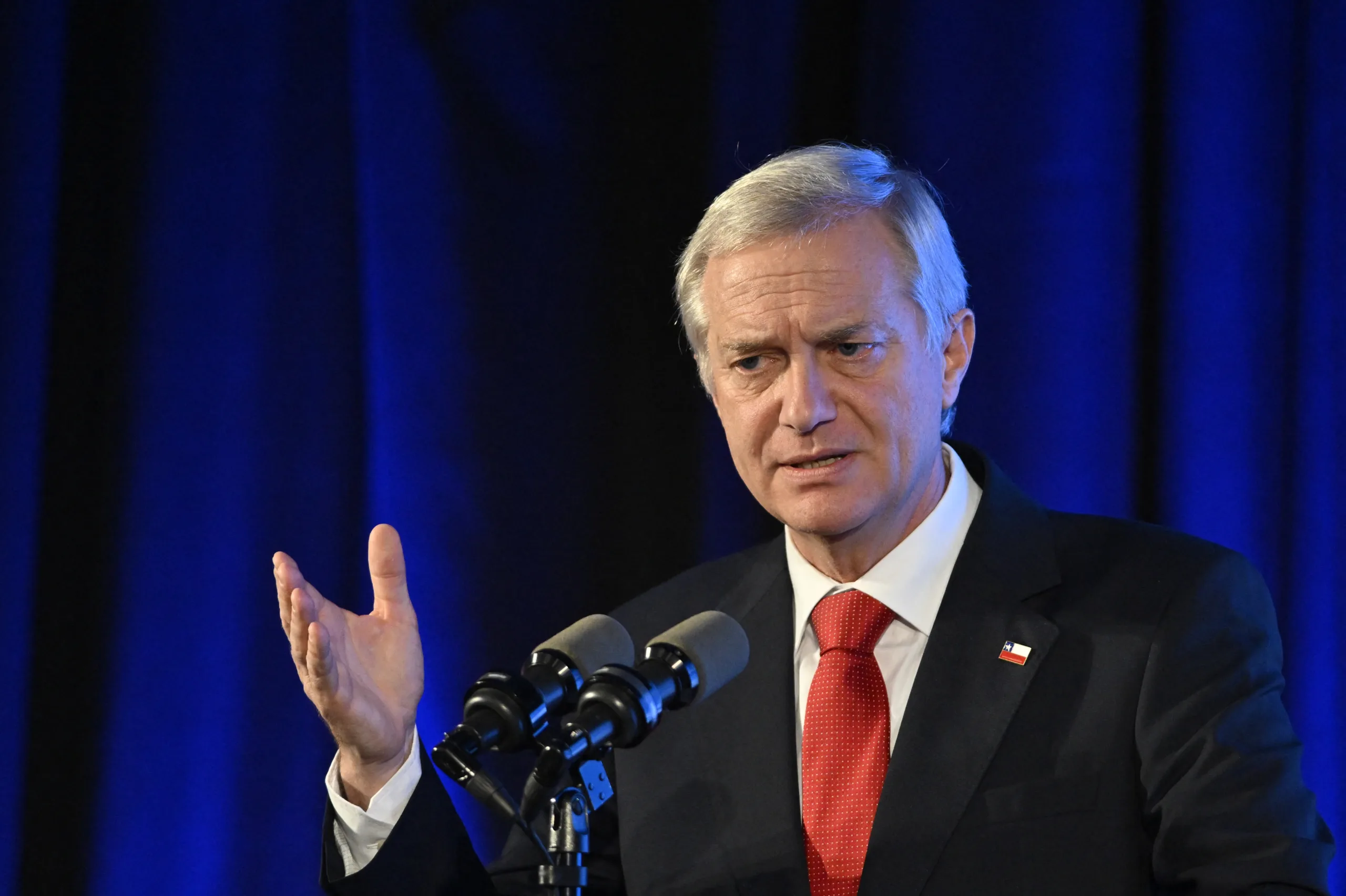
The Chilean Senate approved, last Thursday (16), most of the articles of the José Antonio Kast government’s mega economic and tax reform. It is the first significant victory in Congress for the far-right government, which took office last March promising to stimulate Chile’s economic growth, while seeing its popularity decline.
The proposal is not well received by the majority of the Chilean population. According to the Chilean consultancy Cadem, 56% of Chileans disagree with the tax reduction promoted by the Kast government.
“Faced with a deeply ideological project, tailored for the super-rich, which weakens the State and creates uncertainty for the middle class; as opposition, we will appeal to the Constitutional Court. We will not allow these setbacks to continue affecting Chilean families”, denounced Constanza Martínez, president of Frente Amplio, the party of former president Gabriel Boric.
The core of the reform is the gradual reduction in corporate income tax, from 27% to 23%. The proposal also provides for the tax unfeasibility of large investments. This topic, however, underwent changes in the Senate: instead of a single deadline, the freeze will be staggered, with ten years for figures between US$50 million and US$100 million, fifteen years for investments between US$100 million and US$350 million, and twenty years from US$350 million.
As the original text underwent changes during the process in the Senate, the project returns to the Chamber for a final vote. In the Upper House, the main articles were approved by 26 in favor and 24 against, a narrower margin than the Kast government projected.
The Chilean government’s project also creates a state compensation mechanism for investors whose Environmental Qualification Resolutions (RCA) are annulled by the courts. The device is one of the most contested by the opposition. In addition, the fiscal package provides for the repatriation of capital, exemption from VAT on the purchase of housing for one year and flexibility in licenses to boost investment.
“It’s an important day for Chile. This project arrived at Congress three months ago with a very clear mission: to give our country the tools to progress, create jobs and rebuild what the fire destroyed in Biobío and Ñuble”, said Finance Minister Jorge Quiroz.
The International Monetary Fund (IMF) even warned of the fact that the eventual growth in economic activity may not compensate for the loss of revenue for the Chilean State. The Autonomous Fiscal Council (CEA), an independent state body that oversees public accounts, also warned of the risk.
Source: www.brasildefato.com.br