A new deadline of 60 days was set for the agreement that provides for the end of the war between Iran and the United States. Last week, there was significant progress in negotiations, after the signing of a memorandum of understanding, on Wednesday (17), with 14 points for a peace agreement. The official signing should have taken place on Friday (19), in a meeting in Switzerland mediated by the governments of Pakistan and Qatar, but American vice-president JD Vance canceled the trip, which ended up rescheduled for Sunday (21).
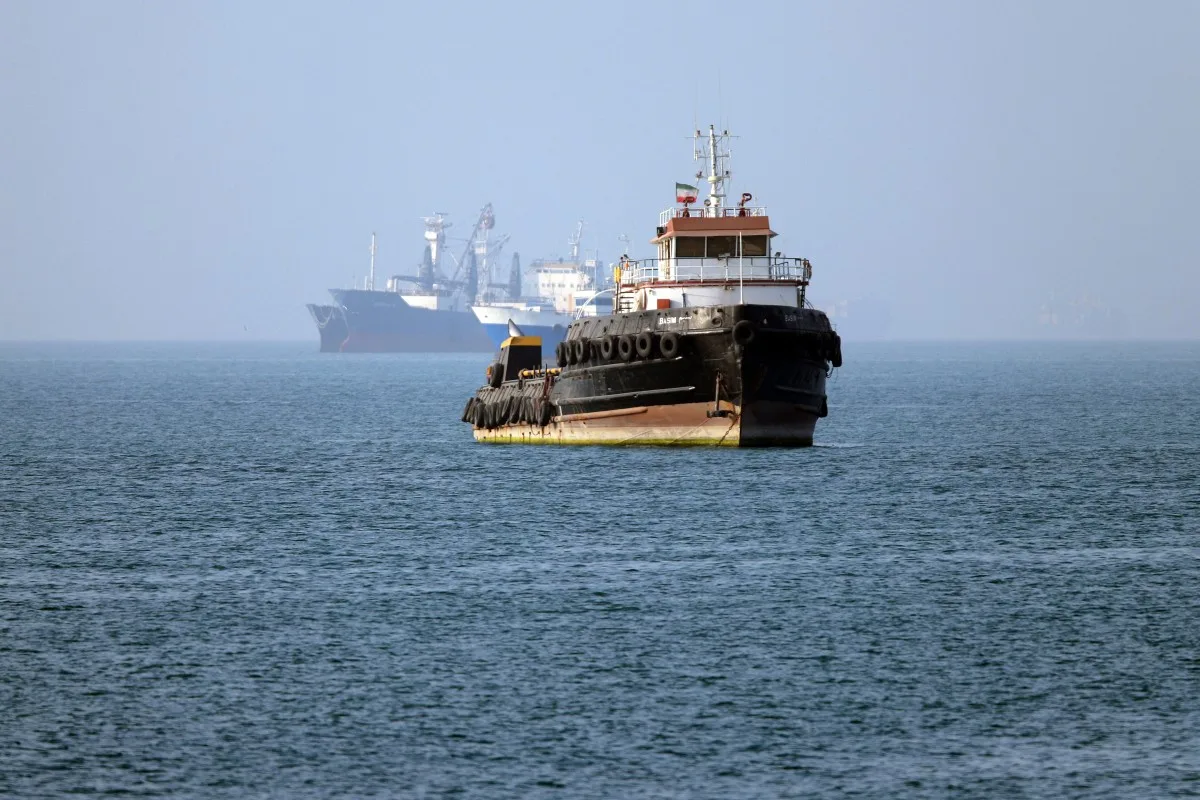
In parallel, Israel, an ally of the USA in this conflict, continued its attacks against Lebanon, disrespecting one of the Persian government’s demands for reaching an agreement. On Saturday (20), Iran announced again the closure of the Strait of Hormuz because of this situation.
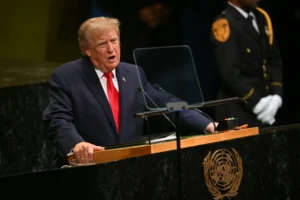
International analyst Ana Prestes highlights the unpredictability of US President Donald Trump throughout the conflict process and the repeated attempt to dominate the narrative, even in the face of a clear failure of objectives in relation to Iran. “If you analyze the objectives that were announced there on the 28th [de fevereiro, quando a guerra começou]I would say yes [o acordo é uma carta de rendição]. The Strait of Hormuz was open, there was a negotiating table. In fact, on the 27th, the day before, they were at a negotiating table. At that time, Trump made a speech about regime change. The other objective was to end the Iranian nuclear program, which did not happen either”, he highlights in an interview with BdF Connectionyes Radio Brasil de Fato.
Prestes states that, even with these points of weakness, negotiations must continue. However, Israel continues to present itself as an obstacle. “JD Vance himself made a very harsh statement regarding Netanyahu over the weekend, that Israel needs the US and what they are doing is very inconsequential”, he points out.
Ana Prestes considers that the success of the agreement will depend on a set of factors. “There are important variables in the game that are the US’s own internal contradictions. You see the tone of President Trump, who is pro-war, and the vice president, who is a person much more open to negotiation. Trump accepted the memorandum only for the reopening of the Strait of Hormuz, just for the economy. You notice a speech from those who are under pressure. And it depends on Netanyahu and Israel, in the sense of to what extent they will align themselves with the US, because that means giving up attacks on Lebanon. It will depend on these factors. Unlike the US and Israel, Iran is internally cohesive, both from the government’s point of view and in relation to society”, he ponders.
To listen and watch
The newspaper BdF Connection airs in two editions, from Monday to Friday: the first at 12pm and the second at 5pm, on Radio Brasil de Fato98.9 FM in Greater São Paulo, with simultaneous transmission also on YouTube do Brasil de Fato.
Source: www.brasildefato.com.br