Published 02/04/2026 15:48 | Edited 02/04/2026 16:50
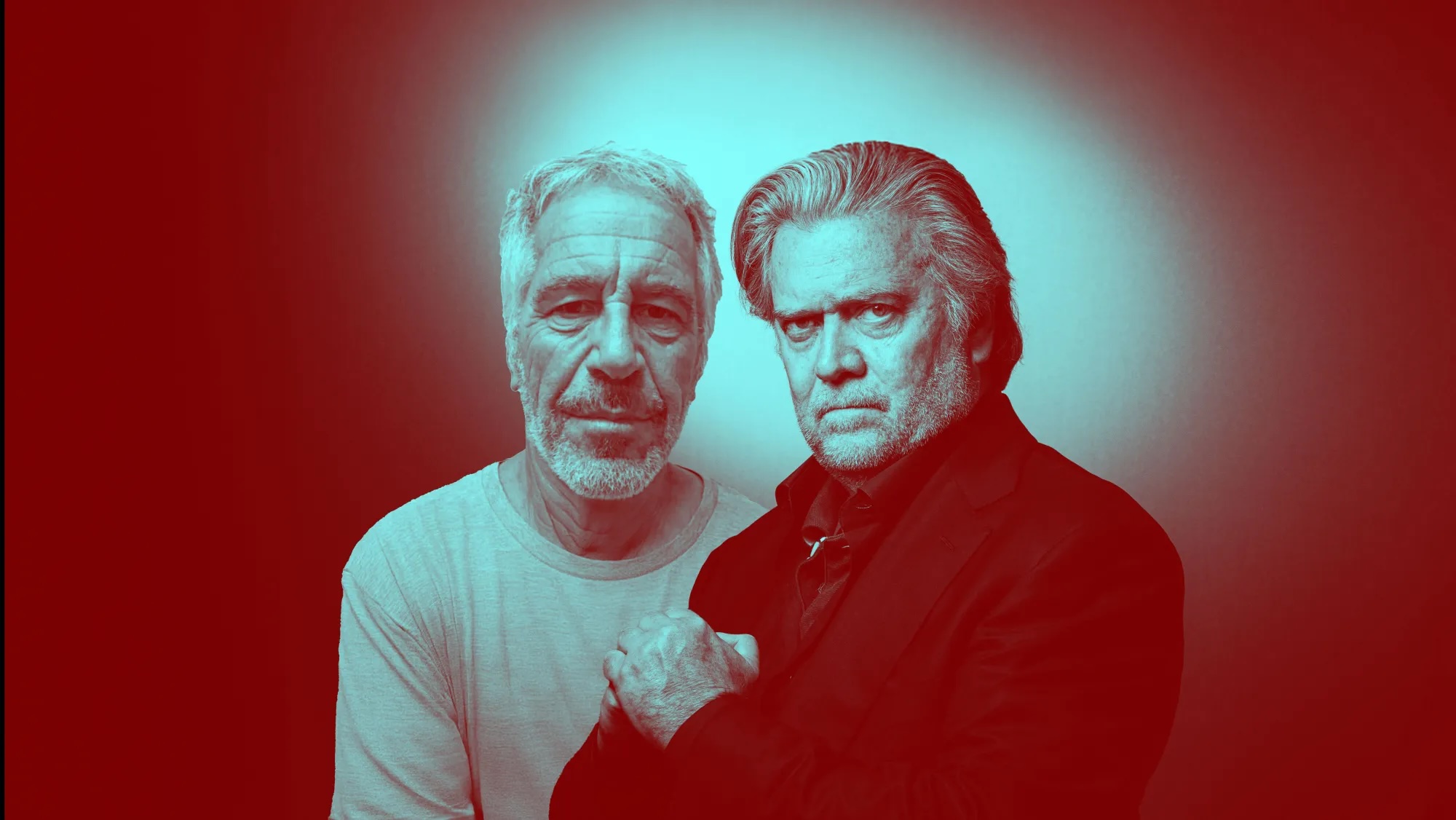
The release of new files on the Jeffrey Epstein case by the United States Department of Justice brought to light exchanges of messages that expose radically different approaches involving former Brazilian presidents Jair Bolsonaro and Luiz Inácio Lula da Silva. The communications, attributed to the financier convicted of sexual crimes and killed in 2019, connect Bolsonaro to enthusiastic praise given to Steve Bannon, while Lula appears mentioned in dialogues with linguist Noam Chomsky, in a tone of political solidarity.
The documents are part of a set of thousands of pages made public last Friday (30), increasing scrutiny of the network of political and intellectual relationships that orbited Epstein. The intimacy of Bannon, Donald Trump’s advisor and ideological guru, with a pedophile and human trafficker, commits moralistic sectors of the far right to the sexual scheme.
Praise for Bolsonaro and ideological alignment
In an email exchange attributed to Epstein and Steve Bannon, then Donald Trump’s strategist, Bolsonaro is described in a complimentary way on the eve of the second round of the 2018 elections. “Bolsonaro changed the game. No refugee wants to enter. Brussels doesn’t tell him what to do”, says a message dated October 8 of that year.
Bannon responded by indicating his proximity to the then candidate’s surroundings and evaluating a possible role as an advisor. Epstein, in turn, encouraged the association, highlighting that Bannon’s eventual presence in Brazil could strengthen his “brand”. At the time, Bannon declared public support for Bolsonaro, whom he called a “leader” and “very similar to Trump”, even though he denied formal participation in the campaign.
The messages also reveal Epstein’s discomfort with Bolsonaro’s public statements that minimized the relationship with Bannon, treated by the former strategist as something to be kept “behind the scenes”.
Lula: solidarity and denunciation
In contrast, Lula appears in the archives in communications between Epstein and Noam Chomsky, one of the most influential intellectuals on the global left. In emails from 2018 and 2019, Chomsky tells Epstein that he was in Brazil involved in activities of the Lula Livre movement, which denounced the PT member’s arrest as politically motivated.
In one of the messages, Chomsky describes Lula as “the most important political prisoner in the world”, stating that his conviction took place on the eve of an election that he “would probably win”. The linguist also classified the accusations against the former president as “ridiculous” and harshly criticized the conditions of imprisonment.
Although files mention an alleged telephone call between Epstein, Chomsky and Lula in prison, both the linguist’s wife, Valeria Chomsky, and Palácio do Planalto denied that such a conversation took place due to Federal Police restrictions on cell phones.
While Lula is only mentioned as an important “political prisoner” in a consultation between the millionaire financier and his left-wing client, on the other hand, Bolsonaro has the explicit sympathy of a sexual predator and his far-right friend, who even discuss articulations in his support.
The documents do not indicate a direct relationship between Lula and Epstein, but they do show how the former Brazilian president’s name circulated in debates about lawfare and democracy. In the case of Bolsonaro, the messages point to ideological affinity and strategic interest around his electoral rise.
Repercussion and political reading
The revelation reignites debates about the international insertion of Brazilian leaders and the political environments in which their names were mobilized. Experts interviewed by international vehicles highlight that the files do not change already known facts, but they expose, in crude language, the behind-the-scenes support, sympathies and narratives that marked Brazilian politics at the end of the last decade.
By placing Bolsonaro and Lula in such different contexts within the same documentary collection, the new files on the Epstein case end up functioning as a high-resolution portrait of the ideological cleavages that crossed — and still cross — Brazil and the global political scene.
Source: vermelho.org.br