Published 04/27/2026 17:16 | Edited 04/27/2026 18:06
Diplomatic negotiations to end the direct conflict between the United States and Iran reached a new impasse this Monday (27). After a round of talks mediated by Pakistan in Islamabad, the dialogue was suspended indefinitely.
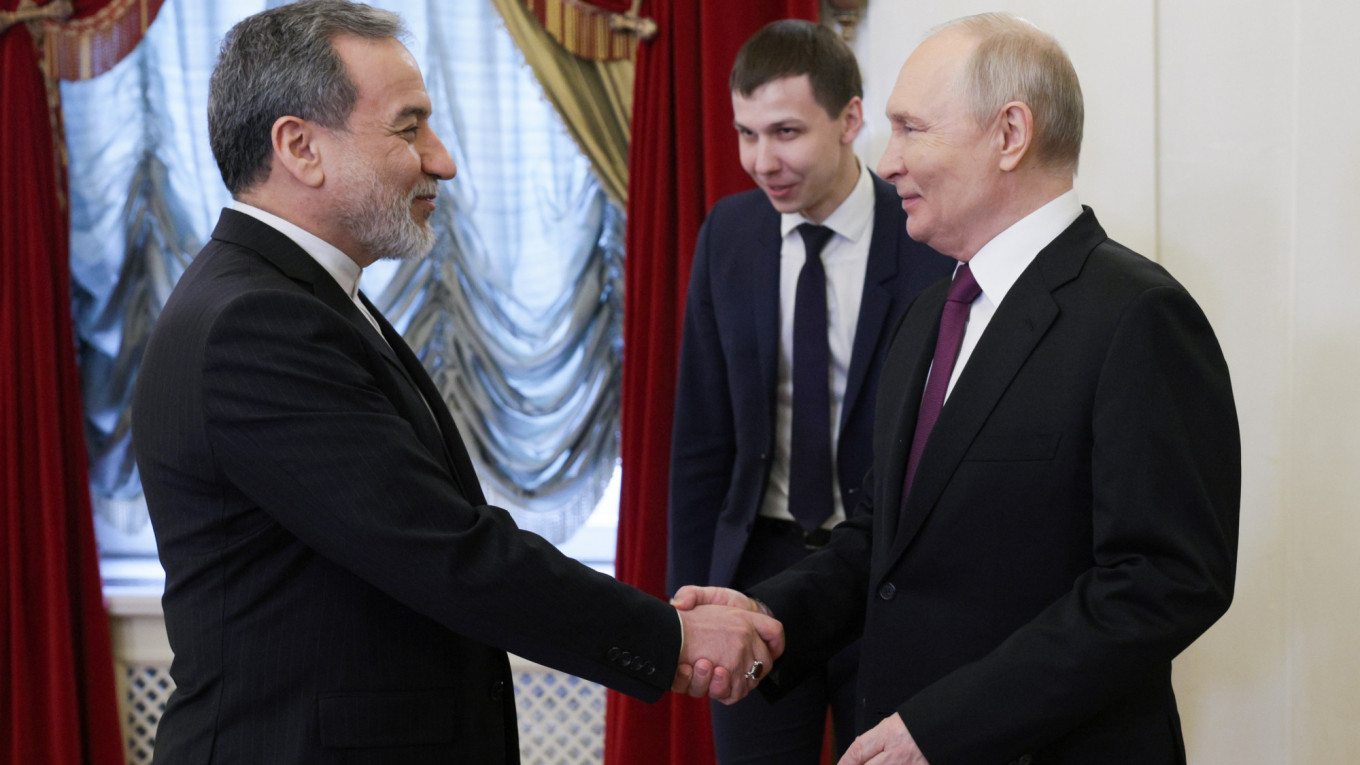
However, the axis of the crisis shifted today to Eastern Europe: Iranian Foreign Minister Abbas Araghchi arrived in Saint Petersburg for an emergency meeting with President Vladimir Putin. The move comes after Tehran proposed the immediate reopening of the Strait of Hormuz in exchange for the end of the US naval blockade — a proposal rejected by the Donald Trump administration, which demands immediate nuclear concessions.
Iran combines with the Russians
The meeting this Monday (27) on Russian soil added a new component of pressure on Washington. Received by Putin, Minister Araghchi delivered a personal message from Iran’s new Supreme Leader, Mojtaba Khamenei. During the meeting, which was attended by Foreign Minister Sergey Lavrov, the Russian president praised the “heroic courage” of the Iranian people in defending their sovereignty and promised support to establish peace in the region, criticizing what he called “external aggression”.
For analysts, the visit to St. Petersburg, shortly after visits to Islamabad and Oman, signals that Iran seeks to strengthen support from the Global South and Russia to break the isolation caused by the naval blockade of the US Central Command (CENTCOM). Araghchi stated upon landing that “the world recognized Iran’s real power”, reinforcing that the country will not accept what he classifies as “economic blackmail from the United States”.
Impasse in Islamabad and Trump’s tactics
In Islamabad, the scenario is one of paralysis. The Iranian government tried, over the weekend, to separate the energy agenda from the nuclear one. The proposal called for the end of naval mines in Hormuz in exchange for the release of Iranian ports, which accumulate daily losses of US$500 million. The White House, however, negatively signaled the immediate resumption of talks by removing part of its security team from Pakistan.
Donald Trump maintains an inflexible position. On his own social network, Truth Social, the US president reiterated that the naval blockade will remain “in full force” until Iran agrees to suspend uranium enrichment for a period of 10 to 20 years. “The Strait is open to others, but the blockade will continue until negotiations are 100% complete,” Trump posted, directly linking the economic relief to Tehran’s capitulation to the Iranian Nuclear Program.
Iranian President Masoud Pezeshkian denounces Washington’s stance as hypocritical, and states that “blockades and threats are the main obstacles to genuine negotiations”. Leader Mojtaba Khamenei declared that Iran will take its management of the Strait to a “new stage” of sovereignty.
Source: vermelho.org.br