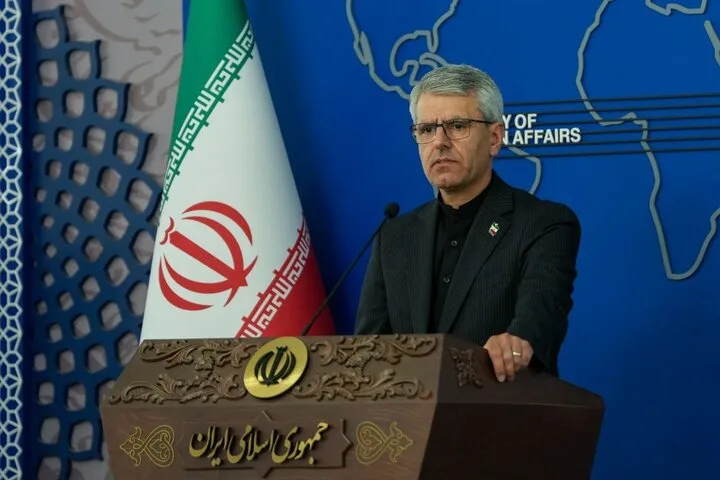
Iran denied, on Monday (14), any participation in the conflict that pits the Houthis against Yemeni government forces and Saudi Arabia. At a press conference, the spokesperson for the Ministry of Foreign Affairs, Esmaeil Baqaei, stated that the group allied with Tehran is “totally independent”.
“Iran does not interfere in Yemeni affairs,” said Baqaei, rejecting the idea that Tehran was directing the offensive that the Houthis have been promoting in Saudi territory in recent weeks. Baqaei recalled that the group “makes its decisions based on its own interests”.
Meanwhile, the Houthins confirmed an attack on the King Khalid Air Base in Khamis Mushait, focusing on military installations and infrastructure. Saudi Civil Defense issued danger alerts in four cities in the south of the country.
At the press conference this Monday (14), Baqaei confirmed that the Saudi Arabian government requested the cancellation of the meeting that would have Iran and the Gulf powers as participants. The meeting would serve to present Oman’s understanding on the regulation of maritime routes through the Strait of Hormuz, and would be held in Salalah, in southern Oman. Baqaei also protested Austria’s decision to bar Iranian nuclear chief Mohamad Eslami from attending the International Atomic Energy Agency’s (IAEA) annual conference in Vienna.
According to the spokesperson, the decision is “totally unjustifiable”, placing responsibility on the United States. “It is clear to all of us that this incident happened due to pressure from the United States, but this does not exonerate the Austrian government of all responsibility,” he said.
The American representative at the IAEA, Preston Wells Griffith, confirmed to the conference plenary that Washington opposed the request for exemption from sanctions presented by Vienna to allow Eslami’s entry.
Also this Monday (14), oil prices soared after Saudi Arabia interrupted, on Friday (11), the operations of the East-West oil pipeline, hit by drones in a series of attacks on oil installations. The route is of utmost strategic importance, as it allows Saudi oil to flow without depending on passing through Hormuz.
Riyadh paralyzed its infrastructure as a protective measure, due to an attack launched from Iraq. The Saudi government did not disclose the extent of the damage or the deadline for resuming operations. US President Donald Trump blamed Iran for the attacks, but provided no evidence. The Persian country did not respond to Washington’s accusations.
Source: www.brasildefato.com.br