Members of Palácio do Planalto interpret the United States’ parliamentary offensive against Brazilian regulation of digital platforms as yet another movement of interference in the country’s internal affairs. The assessment takes place amid the tightening of Washington’s trade measures against Brazilian products, with the adoption of two consecutive taxes on Brazilian production, 25% and 12.5%.
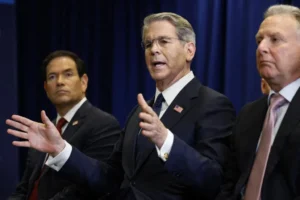
In the view of government interlocutors, the pressure strategy goes beyond the tariff agenda. This Thursday (23), a group of 20 Republican congressmen attacked the project to regulate large technology companies in Brazil.
According to government members interviewed by the Brazil in factthe movement of American congressmen seeks to influence the Brazilian legislative debate at a time when the issue is returning to the center of the political agenda. The reading in the Planalto is that Brazil must define its regulation based on national interests, and not the demands of large companies based abroad.
“It’s an attempt to influence the debate, but Brazil will look at Brazilian needs, and not at big techs”, summarized a member of the government.”The relationship with big techs is like a tariff, a bargain. There is no negotiation. Due to the size of their economy, they either subjugate themselves or there is no agreement. Just like with tariffs, the price for not having them is not worth it”, compares the source.
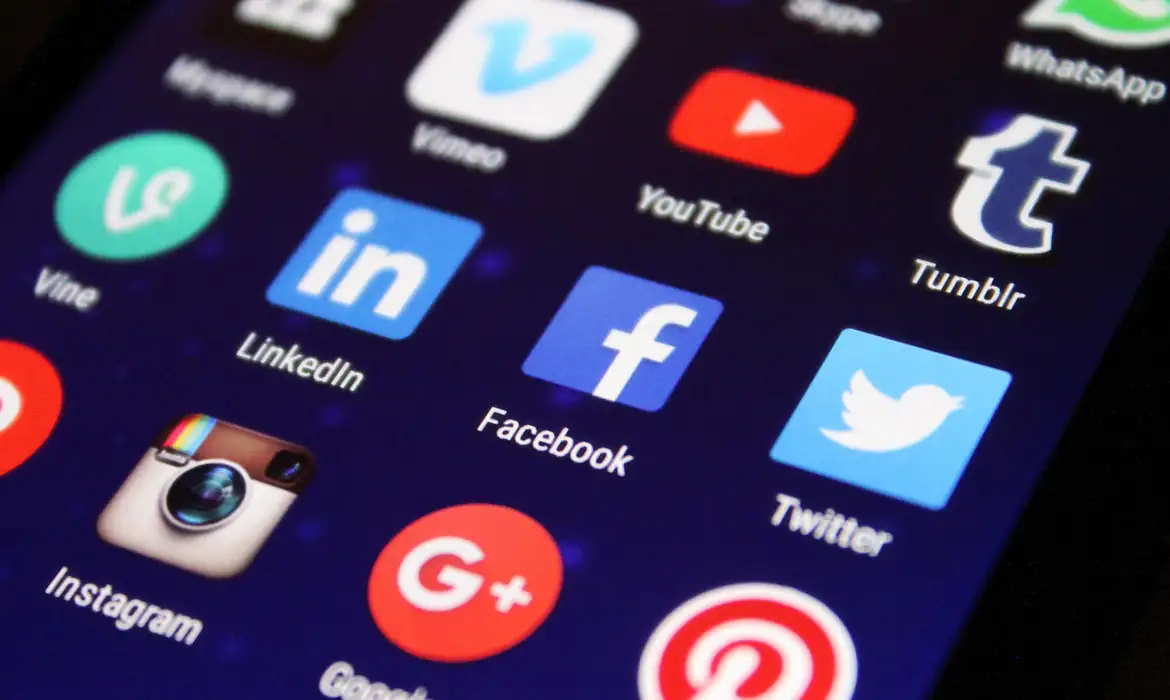
In the government’s assessment, digital platforms resist the creation of regulatory frameworks because they fear that a successful experience will serve as an international reference. Economic and geopolitical interests in the United States would be trying to slow down regulatory initiatives in several countries, especially when they involve the technology sector. “Big techs don’t want examples in the world of countries that do well in regulation,” added the interlocutor.
President Luiz Inácio Lula da Silva (PT) has reiterated that the actions of digital platforms cannot remain without state control. In different speeches, he defended that companies be subject to the law, held responsible for illegal content and obliged to respect the sovereignty of the countries in which they operate. For Lula, it is not acceptable for companies with global reach to act above national legislation or interfere in public debate without accountability.
In the National Congress, the topic gained strength again after decisions by the Federal Supreme Court (STF) expanded the responsibility of platforms for content published by users.
Brazilian parliamentarians who defend the regulation maintain that the measure is necessary to combat the spread of misinformation, hate speech and crimes committed in the digital environment, and that a law in this sense would preserve the sovereignty of the Brazilian State.
Source: www.brasildefato.com.br