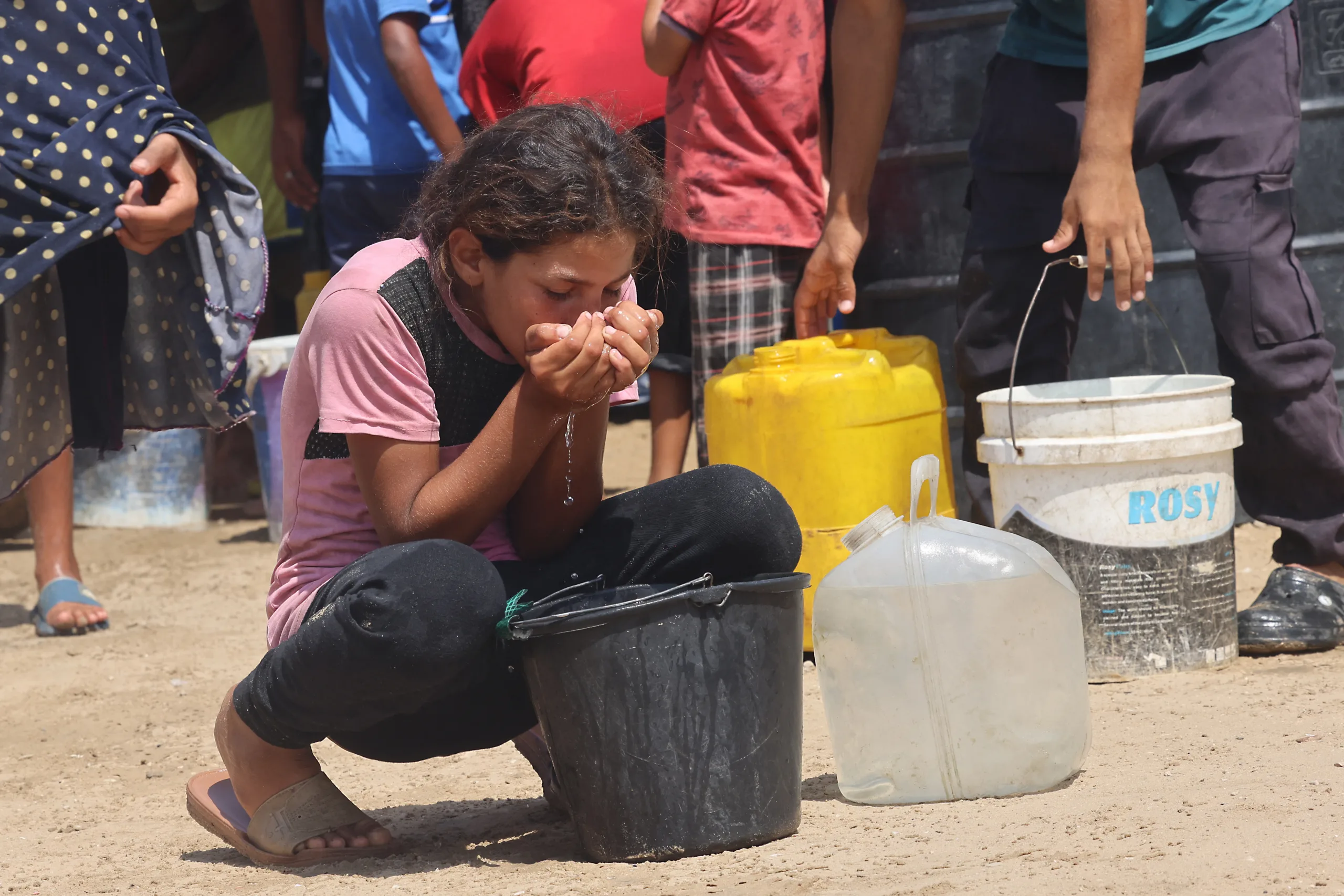
The World Food Program (WFP) and the United Nations Children’s Fund (UNICEF) estimate that approximately 1.4 million people in the Gaza Strip are suffering from hunger.
The number represents 67% of the enclave’s total population and, although it shows a slight improvement compared to the 1.6 million affected (77%) recorded at the end of 2025, it shows that the situation remains at a critical level.
International organizations stated that around 212,000 people are in phase four of the Integrated Food Security Phase Classification (IPC), which corresponds to a humanitarian emergency due to hunger.
According to the IPC measurement system, food insecurity is classified into five progressive stages: general food security, chronic food insecurity, food and livelihood crisis, humanitarian emergency, and famine or humanitarian catastrophe.
Conditions for aid distribution are precarious in territories bordering the Israeli military line of control, which imposes severe access difficulties and restricts the delivery of humanitarian supplies and services.
UN-linked health organizations estimate that, over the next 12 months, approximately 74,000 children will need specialized treatment for acute malnutrition, while around 25,000 pregnant and breastfeeding women will need nutritional support.
The genocidal campaign perpetrated by Israel since October 2023 has so far left almost 73,300 dead and more than 173,900 injured, according to data from the Gaza Ministry of Health.
Since the ceasefire signed in October last year, at least 1,127 people have been killed in Palestine, in addition to thousands injured and buried in the rubble of areas bombed daily by Israel.
The continued Israeli military occupation of the enclave has exacerbated the health crisis in the territory, where the total destruction of dozens of medical centers has caused the collapse of medical care and accelerated the spread of serious infectious diseases.
with information from teleSur
Source: www.brasildefato.com.br