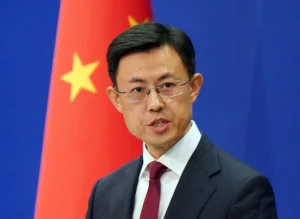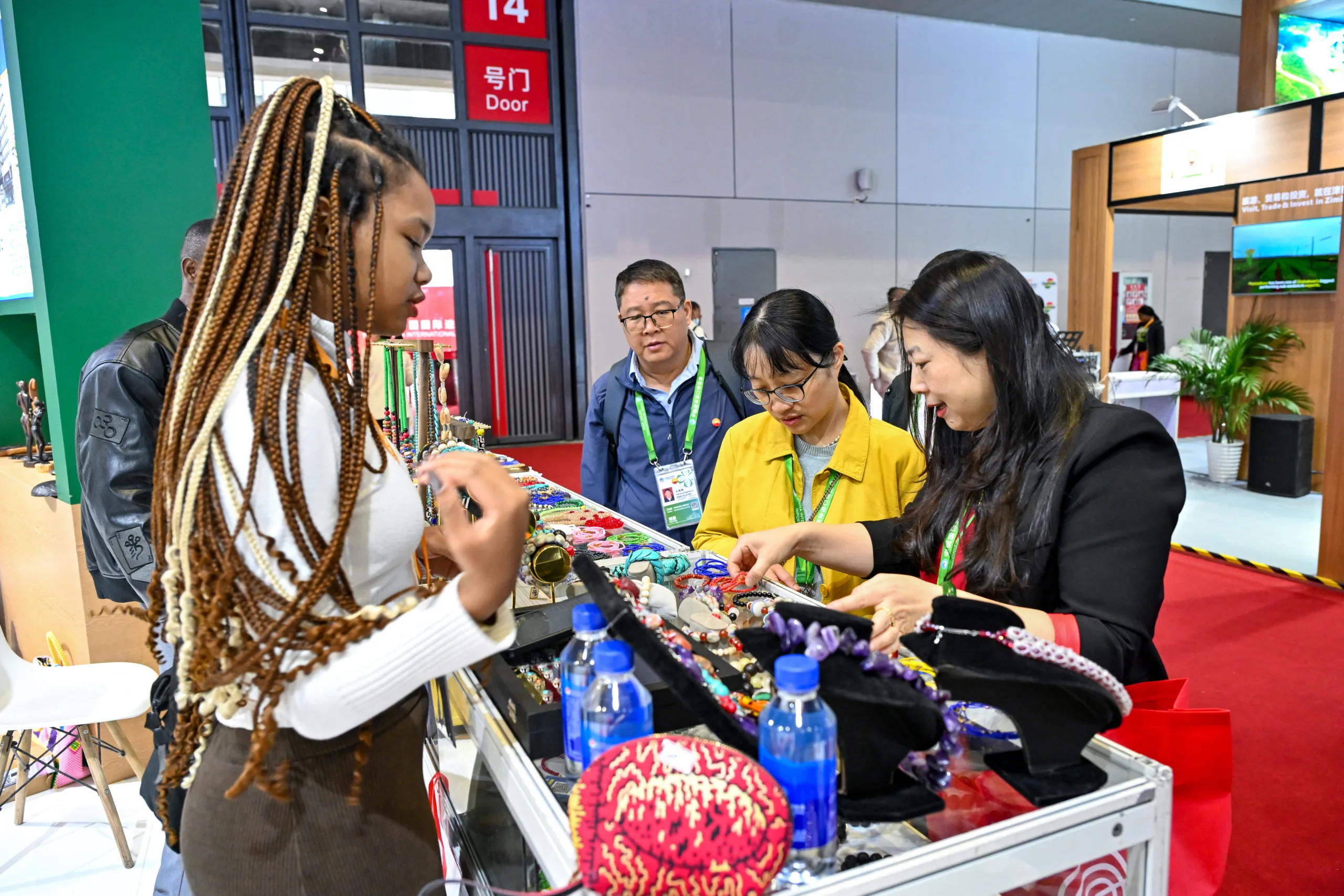
Exports from African countries to China grew 22.1% in the first half of 2026, a period in which the Chinese policy of zero tariffs for products from 53 countries on the continent came into force on May 1st. The data was presented this Wednesday (22) by the director of the General Administration of Customs of China, Sun Meijun, during a press conference at the State Council Information Office. In the same period, Chinese exports to Africa increased by 17.3%, while bilateral trade reached around US$158.3 billion, an increase of 19.6% compared to the first half of 2025.
Chinese customs implemented a so-called “green channel” for African agricultural products. The mechanism classifies countries of origin into three risk ranges: low-risk countries have their cargo released within 48 hours, with sampling inspection; high-risk ones continue with inspection on each shipment. Before the green channel, the authorization period was up to ten days. Fruits, meats and other products that require cold chain have priority processing.
The agency’s deputy director, Wang Jun, presented the durian sanitary release process as a model. Since 2022, China has approved imports of the fruit from five Southeast Asian countries, and volumes reached more than 1.8 million tons in 2025, double the number in 2022. The procedure serves as a reference for ongoing negotiations with African producers of tropical fruits and animal proteins that are still awaiting health approval.
In 2025, China remained Africa’s largest trading partner for the 17th consecutive year. African exports to the Chinese market are concentrated in oil, minerals and agricultural products. Cocoa, coffee, nuts, tropical fruits and animal proteins are among the items that benefit most from the elimination of tariffs.
In total, 63 countries have zero tariffs
Of the 53 African countries with diplomatic relations with Beijing (all except Eswatini), 33 already had zero tariffs before May, all classified as least developed countries by the United Nations (UN). On May 1, 20 more were included, including Nigeria, Egypt and South Africa. China currently maintains zero or preferential tariff agreements with 63 countries in total, according to Sun Meijun.
The director announced that the next step is to advance in the harmonization of procedures: mutual recognition of health certifications, alignment of rules of origin and simplification of product registration in Chinese customs systems.
In the first half of the year, Customs approved access to 264 varieties of agricultural and food products from 79 countries, increasing the number of countries authorized to export food to China to more than 150.
Source: www.brasildefato.com.br