Published 04/06/2026 18:18 | Edited 04/06/2026 19:16
Peru reaches the final stretch of the presidential elections under a scenario of extreme dispersion: there are 35 candidacies, none exceeding 15% of voting intentions and around 30% of the electorate still undecided. The picture reveals not only electoral fragmentation, but a structural crisis of legitimacy in the political system.
In this environment, small fluctuations can completely redefine who will advance to the second round. This is an election for “competitive minorities”, in which programmatic consistency weighs less than the capacity to mobilize electoral niches.
While the conservative bloc maintains levels of around 10% in the polls, led by Keiko Fujimori, the two most competitive left-wing candidates appear with just over 6% in the polls, and growing. With these numbers, the campaign promises to be unpredictable.
Advance of the far right and authoritarian risk
The conservative bloc enters the last week with an advantage. Leaders such as Keiko Fujimori (with around 10% to 13% in the polls), heir to Fujimorism, and Rafael López Aliaga (around 9%), representative of a radicalized right, capitalize on the fear of insecurity with punitive and militarized speeches.
Another name on the rise is Carlos Álvarez (around 8%), who presents himself as an outsider, but maintains programmatic alignment with authoritarian agendas. The concrete risk, highlighted by analysts, is the formation of a second round entirely dominated by extreme right-wing candidates.
Roberto Sánchez: growth in the popular base
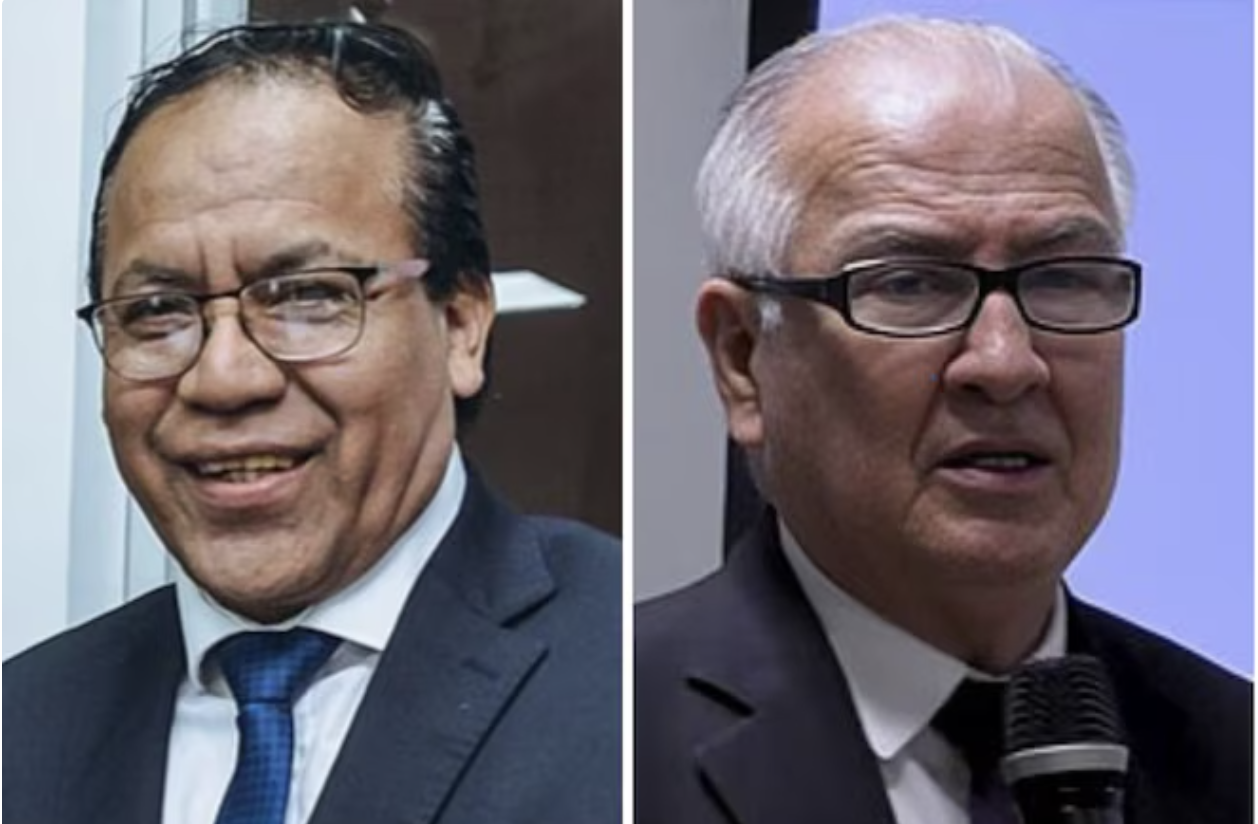
Within the democratic field, Roberto Sánchez emerges as one of the rising candidates. Linked to the legacy of Pedro Castillo, Sánchez has expanded its presence mainly in the Andean and rural regions.
Its strategy combines the defense of a democratic left with a popular base, criticism of the current post-2022 institutional arrangement and the proposal to restore political legitimacy.
The central challenge of his campaign is to convert territorial growth into sufficient electoral density to break the barrier of fragmentation and reach the second round.
López Chau: wear and tear and loss of protagonism
Alfonso López Chau, initially seen as the main center-left alternative, faces a loss of traction in the decisive phase of the campaign.
Former dean of the National University of Engineering, Chau built his image during protests against Dina Boluarte’s government, when he welcomed repressed protesters. However, his candidacy suffers from systematic attacks from the right, investigations that have impacted his public image and difficulties in communicating with the wider electorate.
His recent defense of measures such as the pardon for Pedro Castillo seeks to reactivate popular support, but has not yet reversed the downward trend in polls.
Division of the democratic field favors opponents
The main obstacle for Sánchez, Chau and other democratic names is not only the advance of the far right, but the inability to unify. The dispersion of candidacies with similar agendas fragments the electorate and reduces the chances that a representative from this field will advance to the second round.
This division creates a perverse effect: even with high rejection of figures like Keiko Fujimori, the electoral system allows her to lead with low percentages and still remain competitive.
An election that will define the political regime
More than a conventional electoral dispute, the Peruvian election represents an institutional crossroads. On the one hand, candidacies that defend authoritarian solutions and greater concentration of power; on the other, projects that seek to rebuild democracy in the midst of a deeply worn-out system.
For Roberto Sánchez and Alfonso López Chau, the immediate challenge is to break the barrier of fragmentation. The structural challenge, however, is greater: rebuilding political trust in a country marked by chronic instability and successive institutional ruptures.
Source: vermelho.org.br