Published 03/26/2026 11:15 | Edited 03/26/2026 12:44
Almost a month after the start of the war of aggression against Iran, the United States is moving forward in preparing a new deployment of troops to the Middle East at the same time as it claims to be negotiating an end to the conflict.
On the other side, Iran denies any dialogue with Washington, rejects the proposal presented and states that it will only discuss the end of the war under its own conditions, which include the end of attacks, reparations and the recognition of its sovereignty over the Strait of Hormuz.
“Iran will end the war when it decides to do so and when its own conditions are met,” a senior official told Press TV on Wednesday.
According to the official, Washington has sought negotiations through various diplomatic channels, presenting proposals that Tehran considers “excessive” and disconnected from the reality of US failure on the battlefield.
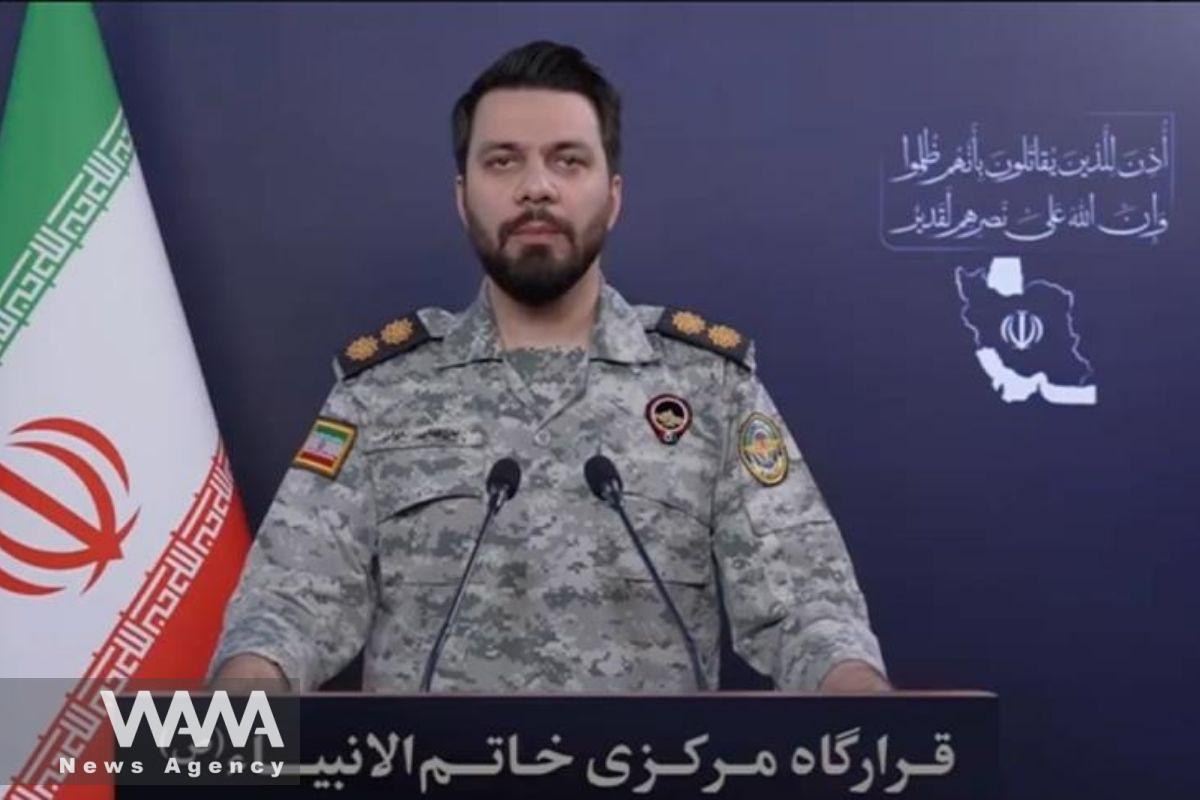
The commander of the Iranian Army’s land forces, Brigadier General Jahanshahi, stated that Iran is prepared for any scenario imposed by its adversaries, highlighting that any land aggression will be more costly and more dangerous for the enemy.
“We are monitoring the enemy’s movements 24 hours a day, in detail. We are ready for any scenario, anywhere, at any time”, declared General Jahanshahi this Thursday (26).
“The enemy must know that any land aggression will be more costly, more dangerous and irreparable,” he added.
Tehran says it rejected the US proposal after pointing out that previous rounds of negotiations were followed by US attacks against the country.
The most recent proposal, sent through an allied regional intermediary, was classified by Iranian authorities as an attempt to exert pressure amid the escalating conflict.
The Iranian government conditions any agreement on the immediate end of attacks and military actions attributed to the United States and its allies. It also demands guarantees that new offensives will not be carried out.
Among the demands are the payment of war reparations, with prior definition of amounts and compliance mechanisms, and the inclusion of all fronts of the conflict in a possible agreement, including allied groups in the region.
Tehran also demands recognition of its sovereignty over the Strait of Hormuz, treated by authorities as a condition to ensure compliance with commitments by adversaries.
According to Iranian authorities, these points had already been presented in negotiations held in Geneva, before a new military offensive led by the United States and Israel at the end of February.
The White House said President Donald Trump “will unleash hell” if Iran does not accept a deal to end the conflict.
“If Iran does not accept the reality of the current moment, if it does not understand that it has been militarily defeated and will continue to be so, President Trump will ensure that it receives harder blows than any it has ever received before,” said press secretary Karoline Leavitt, this Wednesday (25).
The spokeswoman added that Trump “is not bluffing and is prepared to unleash hell.” At the same press conference, he stated that talks with Tehran “continue” and are “productive”, despite the Iranian refusal.
The speech takes place at the same time that the United States expands its military presence in the region. According to the American press, the Pentagon ordered the sending of around 2,000 paratroopers to the Middle East, increasing the number of mobilized soldiers to approximately 50,000.
American officials say the deployment seeks to offer the government new options for action in the conflict, including operations against strategic Iranian targets.
Source: vermelho.org.br