Published 01/23/2026 10:18 | Edited 01/23/2026 16:35
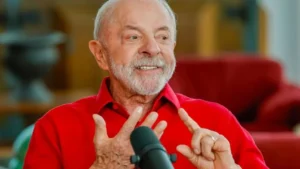
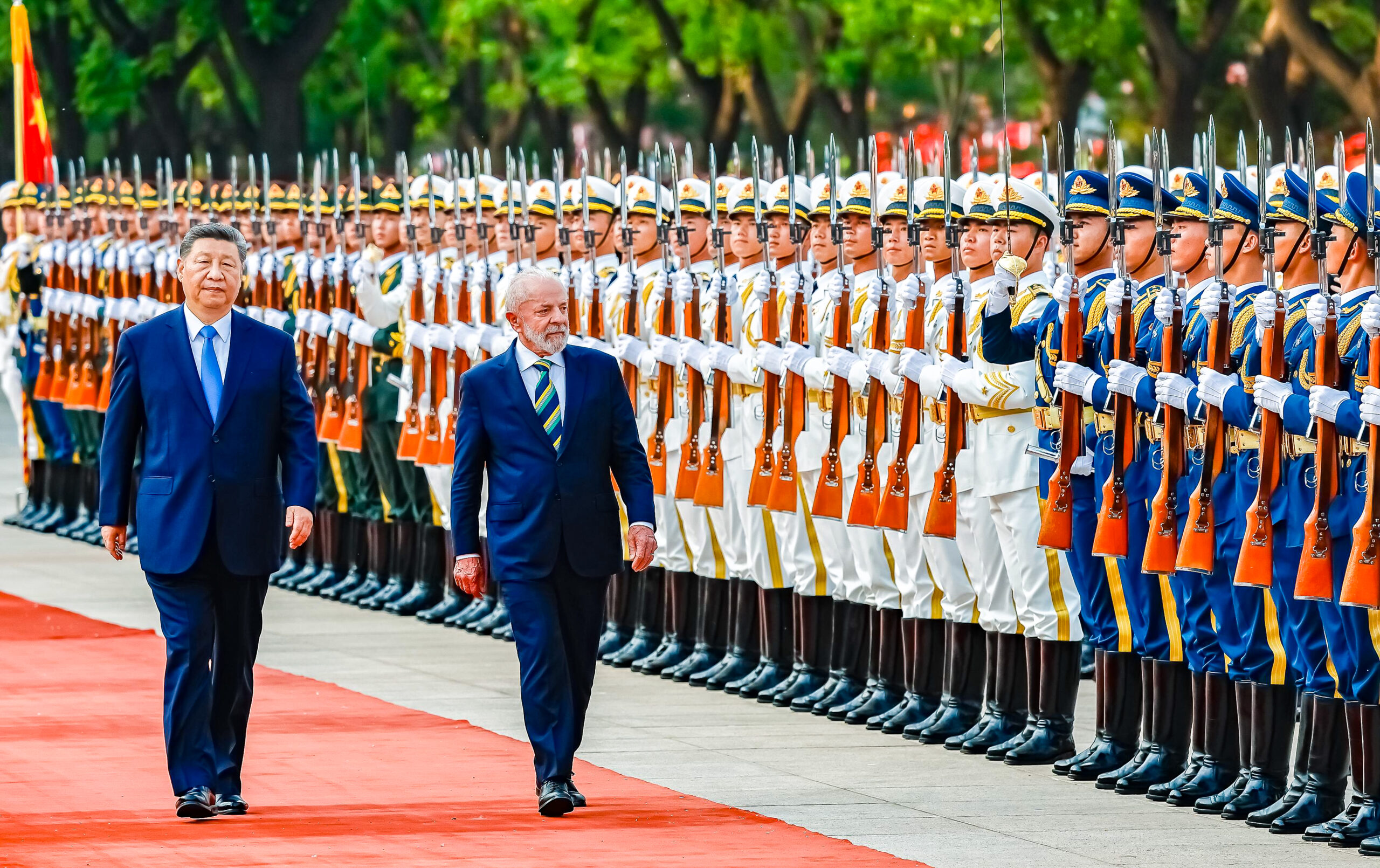
In a telephone call this Thursday (22), President Luiz Inácio Lula da Silva and Chinese President Xi Jinping reaffirmed the defense of the central role of the UN and the joint action of Brazil and China as forces of the Global South in the face of worsening international tensions.
The conversation takes place amid an international scenario marked by instability and tension caused by Donald Trump’s second term in the White House. According to the Chinese state agency Xinhua, Xi stated that Brazil and China have common responsibilities in this geopolitical scenario.
President Xi Jinping stated that Brazil and China must act together to protect the interests of the Global South, defend international equity and justice, and safeguard the UN’s central role in global governance.
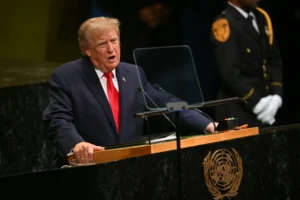
On the same day, the United States government launched the so-called “Peace Council”, an initiative presented by the Donald Trump administration and seen by part of the international community as an attempt to empty the UN.
Brazil and China were invited to join the new organization, but have not yet confirmed membership. The announcement was made during the Davos Economic Forum, without the presence of Washington’s major Western allies.
The new council is part of a broader context of the Trump administration’s recurring criticism of the United Nations and the defense of parallel international mediation mechanisms.
According to Xinhua, Xi also stated that China and Brazil are “constructive forces” in defending world peace and improving global governance.
For the Chinese leader, coordinated action between the two countries gains relevance given the weakening of multilateralism and the increasing adoption of actions outside traditional international mediation mechanisms.
Also according to the agency, Xi reiterated that China is willing to remain a “good friend and partner” of Latin American and Caribbean countries, reaffirming an already consolidated position of Chinese diplomacy.
In this context, he defended the advancement of the construction of a China–Latin America community with a shared future, presented by Beijing as part of a cooperation strategy between countries in the Global South.
The Chinese president also stated that China’s high-quality development, coupled with high-level opening up, should create new opportunities for cooperation with Brazil in areas such as agriculture, infrastructure and energy transition.
Xi highlighted that 2026 marks the beginning of China’s 15th Five-Year Plan and expressed willingness to deepen mutually beneficial cooperation in various sectors, expanding bilateral relations.
On the Brazilian side, Lula stated that Xi’s visit to Brazil, in 2024, took relations between the two countries to a new level and highlighted the advances made in bilateral cooperation in different areas.
The Brazilian president also highlighted the role of Brazil and China in defending multilateralism and promoting free trade, recurring themes in joint action in forums such as the G20 and Brics.
Faced with an international scenario considered worrying, Lula would have reaffirmed Brazil’s willingness to act closely with China to preserve the authority of the United Nations and strengthen cooperation between the Brics countries, with the aim of contributing to regional and global peace and stability.
Source: vermelho.org.br